

Plant-Based Cooking Beyond Tofu: A Practical Guide to 10 Proteins That Actually Satisfy
Plant-based food feels unsatisfying only when it's tofu on repeat. Rotate the full protein roster, crisp and season boldly, and build in umami, fat, and texture.
Tofu gets all the attention in plant-based cooking, but it's just one option among many — and leaning on it alone is why a lot of plant-based eating feels repetitive and unsatisfying. Plant-based cooking beyond tofu means knowing the full roster of plant proteins, each with its own texture, flavor, and best use, and understanding the few techniques that make any of them genuinely satisfying rather than sad. The reason plant-based meals sometimes feel like they're "missing something" usually isn't the absence of meat — it's a lack of umami, fat, texture, and seasoning, all of which are fixable. Here are ten plant proteins worth rotating through and the principles that make plant-based food crave-worthy instead of dutiful.
Why does plant-based food sometimes feel unsatisfying?
Because it's often missing the umami, fat, texture contrast, and bold seasoning that make food satisfying — not because it lacks meat. This is the core insight that changes plant-based cooking from a compromise into genuinely good food.
Meat delivers several things at once: deep umami (savory depth), fat (richness and mouthfeel), and a satisfying chewy texture. When people cook plant-based food and it falls flat, it's usually because they've removed the meat without replacing those qualities — so they end up with a plate that's bland, lean, and texturally monotonous, and they conclude (wrongly) that plant food is inherently less satisfying. The fix is to deliberately build those qualities back in from plant sources.
Umami comes from mushrooms, soy sauce, miso, tomato paste, nutritional yeast, fermented foods, and seared/roasted vegetables. Fat comes from oils, nuts, seeds, avocado, tahini, and coconut. Texture comes from crisping, searing, and roasting proteins and vegetables rather than boiling them soft, and from contrasting crunchy and creamy elements. Bold seasoning — spices, acid, salt — ties it together. When a plant-based dish has savory depth, richness, textural contrast, and assertive seasoning, it's deeply satisfying. Master those four levers and the specific protein matters less than how you treat it — which is also the secret to high-protein cooking without burnout.
What are the best plant proteins beyond tofu?
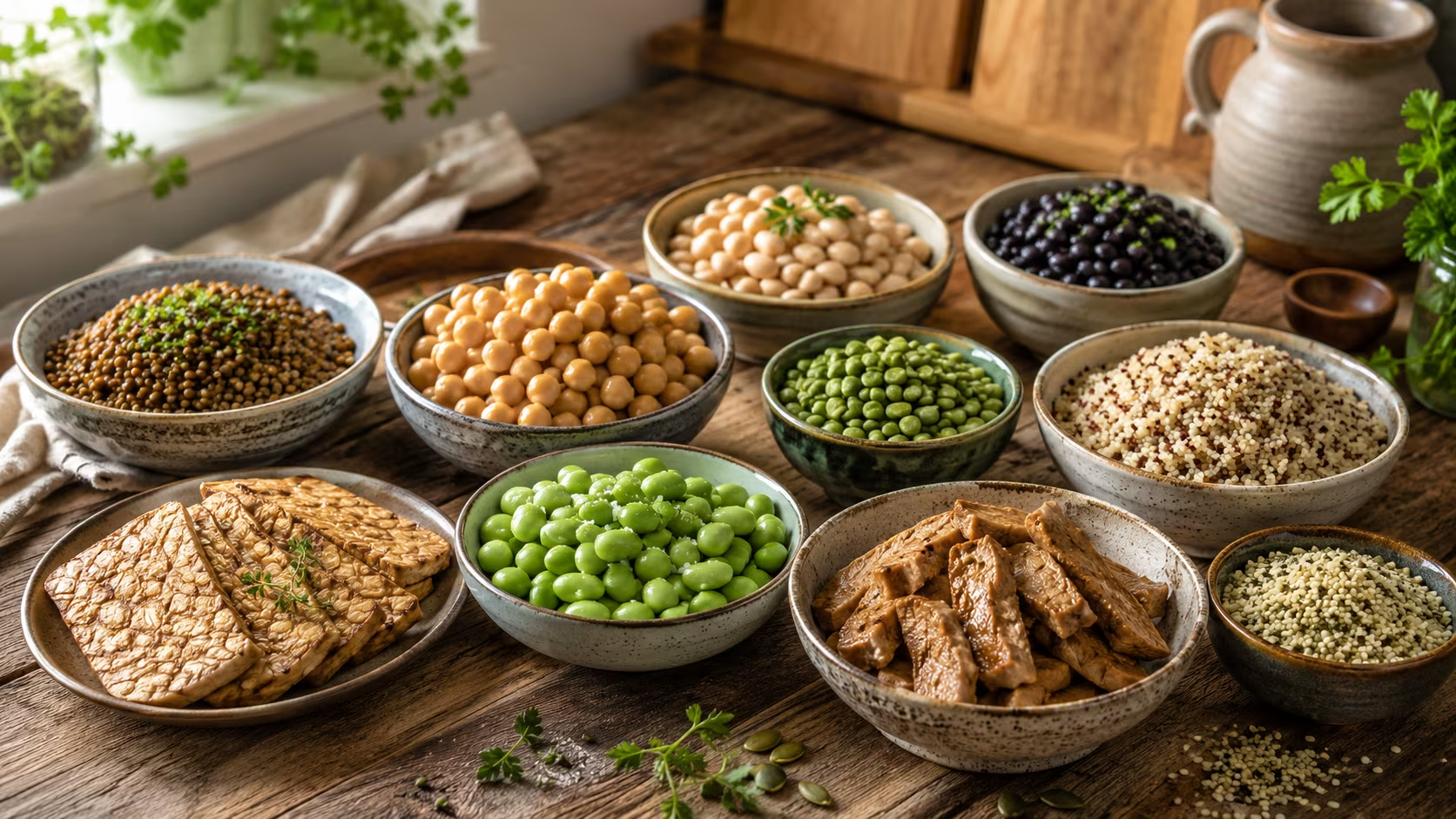
There's a whole roster, each with distinct properties. Knowing them lets you rotate for variety and pick the right one for each dish:
- Tempeh — fermented, pressed soybeans; nuttier, firmer, and higher in protein than tofu, with a satisfying chew. Steam or simmer it briefly to mellow any bitterness, then sear, crumble, or marinate.
- Lentils — cheap, fast (25 minutes, no soaking), high in protein and fiber; brown/green hold their shape for salads and stews, red lentils break down for dal and soups.
- Chickpeas — versatile and satisfying; roast them crisp, blend into hummus, simmer into stews and curries, or crumble into "salads." Great texture when crisped.
- Black beans, kidney beans, and other beans — filling, cheap, protein-and-fiber rich, the base of countless dishes from chili to a white bean and tomato skillet.
- Seitan — wheat gluten; the most meat-like in chewy texture and very high in protein (not for the gluten-free). Excellent seared, in stir-fries, or as a roast.
- Edamame — young soybeans; a complete protein, quick to cook, great as a snack, in salads, or stir-fries.
- Mushrooms — not high in protein but unmatched for umami and meaty texture; browned mushrooms add the savory depth and chew that plant dishes often lack (they're a flavor protein, not a count protein).
- Nuts and seeds — protein, fat, and crunch; almonds, cashews, hemp, pumpkin, and sunflower seeds add richness and texture, and cashews blend into creamy sauces.
- Green peas — surprisingly protein-rich, sweet, and versatile in soups, pastas, and sides.
- Whole grains and combinations — quinoa (a complete protein), plus grains paired with legumes (beans and rice) to cover the full amino acid range. Pairing is how plant eaters complete proteins.
Rotating through these — tempeh, lentils, chickpeas, beans, seitan, edamame, mushrooms, nuts, peas, grains — gives enormous variety and keeps plant-based eating from collapsing into a tofu rut.
How do you cook plant proteins so they're satisfying?
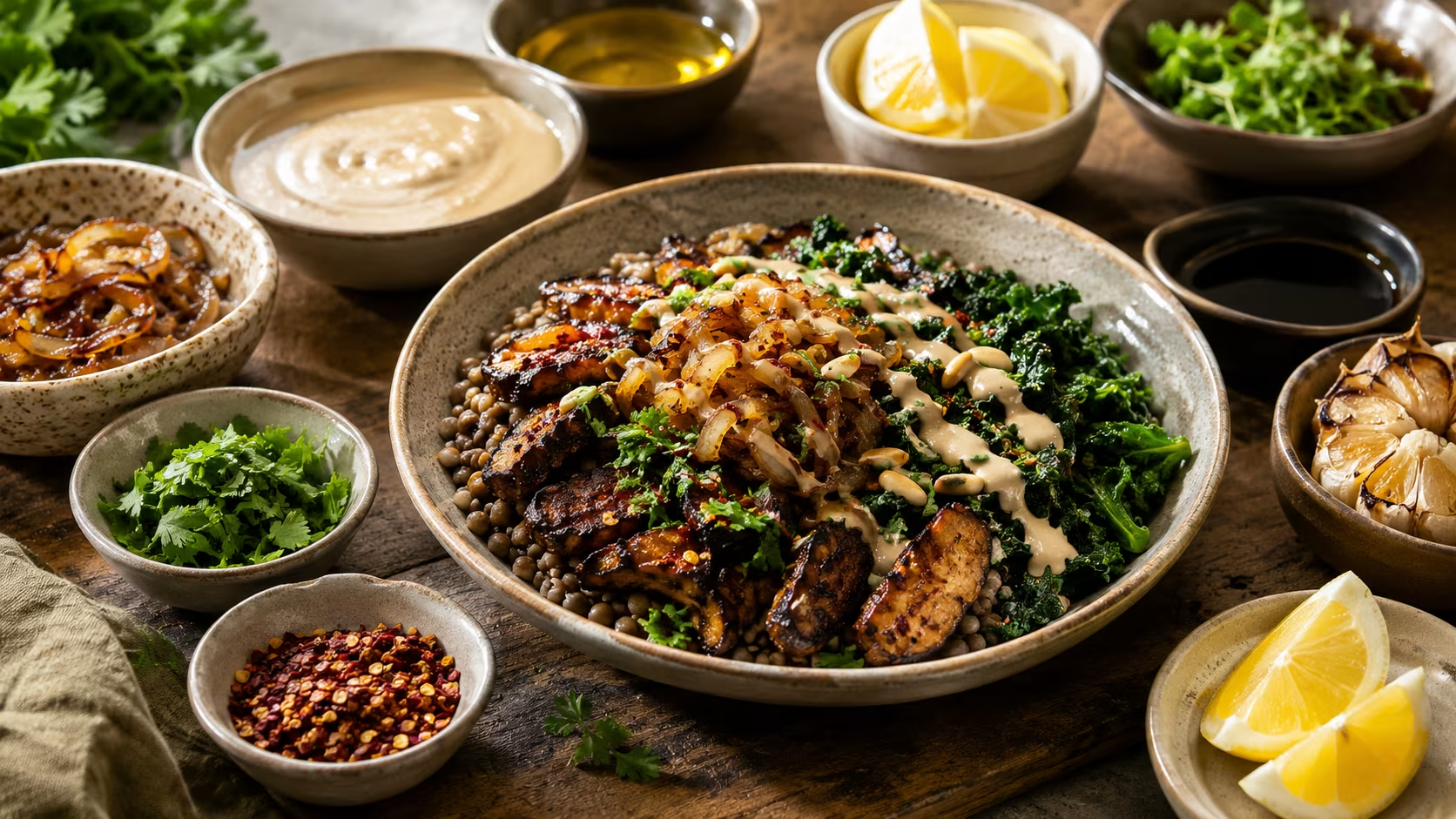
The universal rule: cook for texture and season aggressively. Most plant proteins fail when they're boiled soft and under-seasoned; they succeed when crisped, browned, or seared, and boldly flavored.
Crisp and sear, don't boil to mush. Roasting chickpeas until crunchy, searing tempeh until golden, crisping tofu (pressed first), browning mushrooms until caramelized — texture is what makes these satisfying. A soft, pale, boiled legume is sad; a crisp, browned, well-seasoned one is crave-worthy.
Use high heat and let things actually brown (the Maillard reaction builds savory flavor on plants just as it does on meat). Don't crowd the pan, which steams instead of browning.
Season aggressively and build umami. Plant proteins are mild canvases, so they need bold flavor: salt well, use plenty of spices, add umami boosters (soy sauce, miso, nutritional yeast, tomato paste, dried mushrooms, fermented foods), and finish with acid (lemon, vinegar) to brighten. Marinate tempeh, tofu, and seitan to drive flavor in. Add fat — a drizzle of good oil, tahini, nuts, avocado, or coconut milk — for the richness and mouthfeel that makes a dish feel complete. And layer textures: pair something crisp with something creamy, something chewy with something fresh.
Put together, the formula is: crisp/sear the protein for texture, season boldly, add umami and fat, finish with acid, and contrast textures. A bowl built this way — say crispy roasted chickpeas, a tahini-lemon sauce, roasted vegetables, and herbs over grains — is genuinely satisfying, not a compromise. The technique matters more than which protein you chose.
How do you build a satisfying plant-based meal?
Think in components and the four satisfaction levers — protein, umami, fat, texture, plus seasoning and acid — rather than trying to make a single plant ingredient "be" the meat. The most satisfying plant-based meals are well-composed bowls and plates, not meat-shaped substitutes.
A reliable template: a base (grains, like rice or quinoa), a crisped or seared protein (roasted chickpeas, seared tempeh, crispy tofu, or a bean stew), roasted or fresh vegetables for color and nutrition, a flavorful sauce carrying fat and umami (tahini, peanut, miso, a bright vinaigrette), and finishing touches for texture and brightness (toasted nuts or seeds, fresh herbs, a squeeze of lemon, a sprinkle of flaky salt). That structure builds in protein, fat, umami, texture, and acid automatically, which is exactly why it satisfies.
This component approach also makes plant-based cooking efficient and varied: cook a batch of grains, a protein, and a sauce, and recombine them into different bowls and wraps through the week — the same component-prep logic that works for any cuisine. Lean on globally plant-forward cuisines for inspiration, too: much of Indian (dal, chana masala), Middle Eastern (hummus, falafel, mujadara), and Mediterranean (bean stews, naturally gluten-free dishes) cooking is plant-based by tradition and deeply satisfying because it nails umami, fat, spice, and texture. You're not inventing satisfying plant food from scratch — whole cuisines have done it for centuries.
Do you need to worry about "complete proteins"?
Not as much as the old conventional wisdom suggested — eating a variety of plant proteins across the day naturally covers all the essential amino acids, without obsessive food-combining at every meal. This is a common worry worth defusing.
The concern is that most individual plant proteins are lower in one or more essential amino acids, where animal proteins are "complete." But the practical reality is that eating a varied plant-based diet — legumes, grains, nuts, seeds, soy, vegetables — over the course of a day provides the full range of amino acids your body needs; you don't have to consciously combine complementary proteins (like beans and rice) at every single meal, as was once believed. Your body pools amino acids from across the day's food. A few plant foods (soy, quinoa) are complete proteins on their own, and classic pairings like beans-and-grains complement each other naturally.
So the guidance is simply to eat a variety of plant proteins regularly rather than relying on one source, which the ten-protein roster above makes easy. That said, plant-based eating, especially fully vegan, does warrant attention to a few specific nutrients (notably vitamin B12, and sometimes iron, omega-3s, and others), which is a reason to eat varied and, if you're fully plant-based long-term, to get personalized guidance from a dietitian or clinician rather than a blog. For protein specifically, variety across the day is the whole answer — no anxious combining required.
Common plant-based cooking questions
How do I make tempeh and seitan not bitter or bland? For tempeh, steam or simmer it for about 10 minutes before cooking to mellow any bitterness, then marinate and sear. For seitan, season the dough and broth well when making or simmering it, and brown it hard for flavor. Both are mild canvases that need bold marinades and a good sear.
Is plant-based protein enough to build muscle / stay full? Yes, with variety and adequate quantity — legumes, soy (tofu, tempeh, edamame), seitan, and grains provide ample, high-quality protein, and the fiber keeps you full. Spread protein across meals and rotate sources, just as with any high-protein approach.
What gives plant food that savory, meaty depth? Umami builders: browned mushrooms, soy sauce, miso, nutritional yeast, tomato paste, dried mushrooms, fermented foods, and the Maillard browning from searing and roasting. Build umami deliberately and plant dishes gain the savory satisfaction people associate with meat.
Do I need fake meat products? No — whole plant proteins (beans, lentils, tempeh, mushrooms, seitan) are cheaper, more nutritious, and more versatile than processed plant "meats." The mock meats are convenient occasionally, but the satisfying core of plant-based cooking is whole foods cooked with good technique.
Plant-based cooking only feels unsatisfying when it's tofu on repeat or vegetables stripped of umami, fat, texture, and seasoning. Rotate through the full roster of plant proteins, crisp and season them boldly, build in savory depth and richness, and compose proper bowls — and plant-based food becomes some of the most varied, flavorful, genuinely satisfying cooking you can do.
What does a week of satisfying plant-based meals look like?
To show the variety beyond tofu, here's a week that rotates proteins and nails the satisfaction levers. Monday: a crispy roasted chickpea bowl with grains, roasted vegetables, and tahini-lemon sauce. Tuesday: a lentil dal with rice and warm spices, finished with a squeeze of lime. Wednesday: seared tempeh in a stir-fry with lots of vegetables, garlic, ginger, and soy, over rice. Thursday: a hearty bean chili (deep with cumin, smoked paprika, tomato, and a little cocoa for depth) with avocado and lime. Friday: a white bean and tomato skillet with greens and crusty bread, or a big mushroom-and-grain dish leaning on browned mushrooms for umami.
Five completely different proteins — chickpeas, lentils, tempeh, beans, white beans/mushrooms — each cooked for texture and seasoned boldly, with fat (tahini, avocado, oil) and umami (spices, soy, tomato, browned mushrooms) built in. Nobody at that table is wondering where the meat is, because each plate is genuinely satisfying on its own terms. That's the whole argument: variety of protein plus good technique equals plant-based food you actually crave.
Do I need special equipment for plant-based cooking? No — the same chef's knife, skillet, sheet pan, and pot handle everything. The only "technique equipment" worth noting is something to press tofu (or just a weight and a towel) and a sheet pan for roasting/crisping, both of which most kitchens already have.
Bottom line: plant-based food feels unsatisfying only when it's tofu on repeat or vegetables stripped of umami, fat, texture, and seasoning. Rotate the full roster of plant proteins, crisp and season them boldly, build in savory depth and richness, and compose proper bowls — and it becomes some of the most varied, flavorful cooking you can do.
Are mock meats necessary? No — whole plant proteins like beans, lentils, tempeh, mushrooms, and seitan are cheaper, more nutritious, and more versatile than processed plant "meats." Mock meats are an occasional convenience, but the satisfying heart of plant-based cooking is whole foods cooked with good technique and bold seasoning.
 Save
Save


0 Comments
No comments yet — start the conversation below.