

High-Protein Cooking Without Chicken Burnout: 12 Sources and How to Actually Cook Them
Chicken burnout is a variety problem, not a protein one. Rotate a dozen sources cooked well, and hitting your protein feels like eating well, not serving a sentence.
If you're trying to eat more protein, you've probably hit chicken burnout — that point where one more plain grilled chicken breast makes you want to give up entirely. The problem isn't protein; it's variety. High-protein cooking without chicken burnout means rotating through a dozen genuinely different protein sources, each with its own flavor and best cooking method, so hitting your protein target feels like eating well rather than serving a sentence.
Chicken breast became the default because it's lean and cheap, but it's also the blandest and most easily overcooked of the options, and leaning on it alone is exactly why high-protein eating feels monotonous. Here are twelve sources worth rotating through and, crucially, how to cook each one so it's actually good.
Why does high-protein eating get so boring?
Because most people default to a tiny rotation — usually just chicken breast — cooked the same plain way, when the real solution is variety across many protein sources and preparations. The monotony isn't inherent to eating protein; it's a self-inflicted lack of range.
Chicken breast dominates because it's lean, affordable, and high in protein, so it became the reflexive choice for anyone watching macros. But it's also mild to the point of blandness and dries out the instant it's overcooked, so the typical high-protein diet becomes a parade of dry, flavorless chicken that's genuinely depressing to eat day after day.
The fix is simply to stop relying on one source. There are at least a dozen excellent high-protein foods, each with a distinct flavor, texture, and ideal cooking method, and rotating through them turns "hitting my protein" from a chore into varied, satisfying cooking.
The second half of the fix is cooking each protein well, with technique suited to it — the right doneness for fish, the right press-and-sear for tofu, the right gentle cook for eggs. A lot of "I don't like high-protein food" is really "I've been eating poorly cooked versions of the same two things." Variety plus proper technique solves both. Many of these sources also overlap with plant-based and gluten-free eating, so the rotation serves multiple goals at once.
What are the best non-chicken animal proteins?
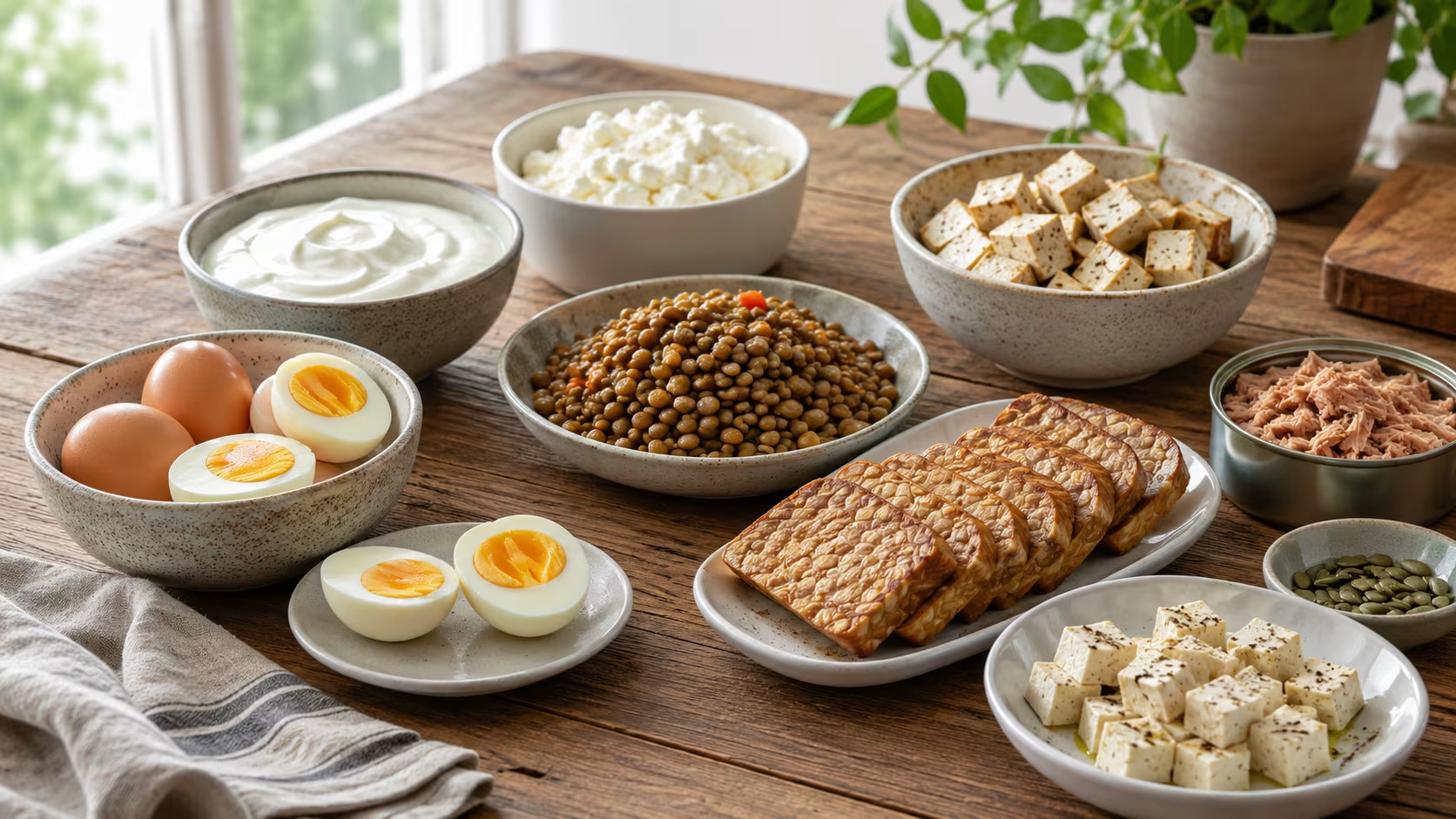
Several animal proteins beat chicken breast on flavor while delivering as much or more protein — the key is matching the cooking method to each.
Eggs are the most versatile high-protein food there is, cheap and endlessly variable: scrambled, fried, poached (a perfect poached egg over anything adds protein and richness), in a frittata or omelet loaded with vegetables, or hard-boiled for grab-and-go. They cook in minutes and never get boring because the formats are infinite.
Fish and seafood are high-protein, fast-cooking, and full of flavor. Salmon (rich, forgiving) roasts in ten minutes — pull it at 120-125°F so it stays silky, as in a Mediterranean salmon.
Shrimp cook in 90 seconds a side (watch for the C-curl, don't overcook into rubber). White fish, canned tuna, and sardines are quick, cheap, and protein-dense.
Lean beef and pork bring deep flavor chicken can't match. A seared steak, lean ground beef in a sauce or chili, or pork tenderloin (lean and quick-cooking) all deliver. The key is proper searing for flavor and not overcooking — the same dry-surface, hot-pan technique behind any good sear.
Greek yogurt and cottage cheese are protein powerhouses that need no cooking at all — eat them with fruit and nuts, blend into smoothies, use as a sauce base, or dollop onto savory dishes. A bowl of Greek yogurt is one of the fastest high-protein meals possible, and cottage cheese has had a deserved comeback for exactly this reason. Together, these animal proteins alone give you enormous variety beyond chicken.
What are the best plant proteins, and how do you cook them?
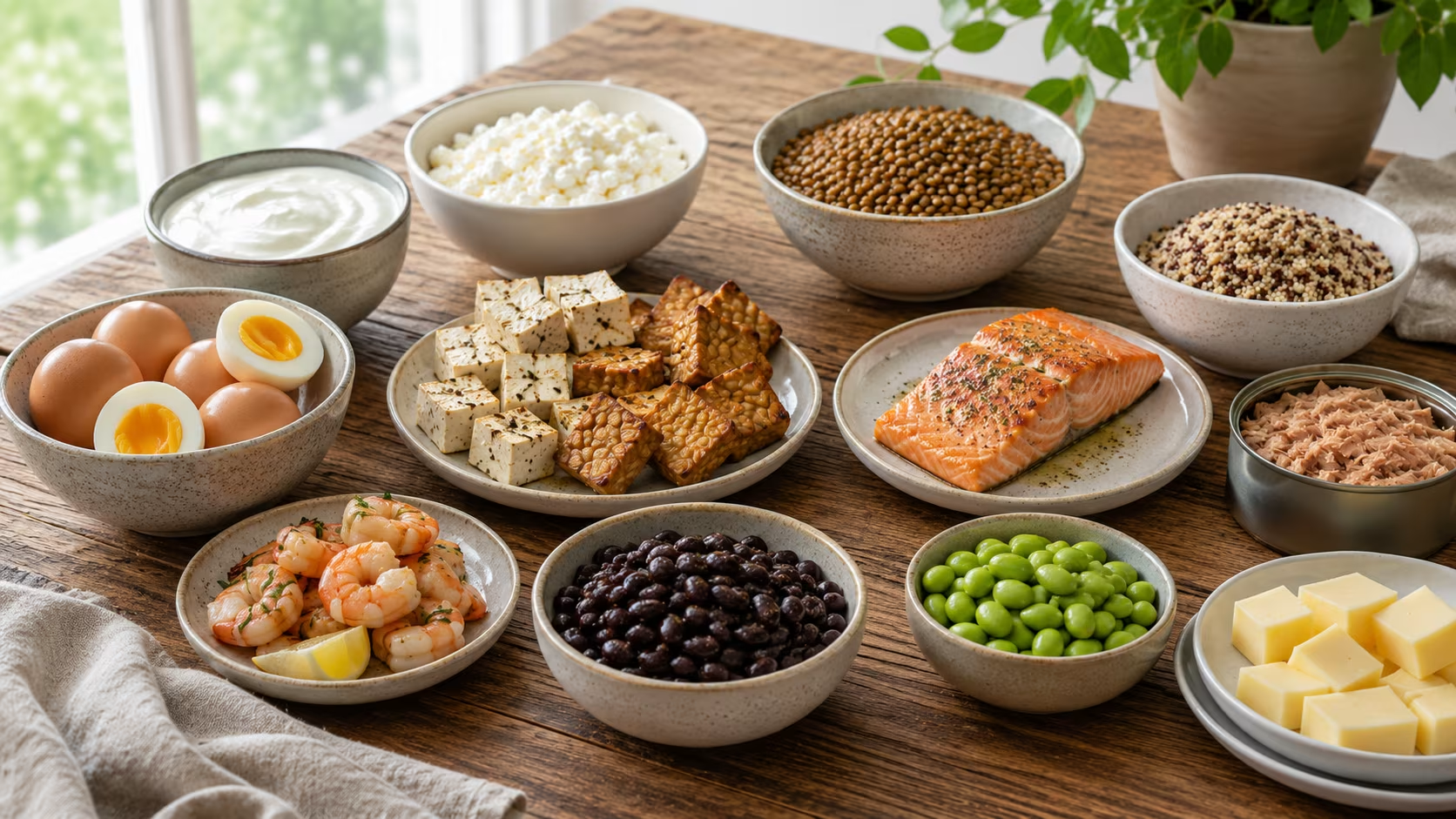
Plant proteins are where most people leave the most flavor and variety on the table, usually because they cook them badly. Done right, they're satisfying and protein-rich.
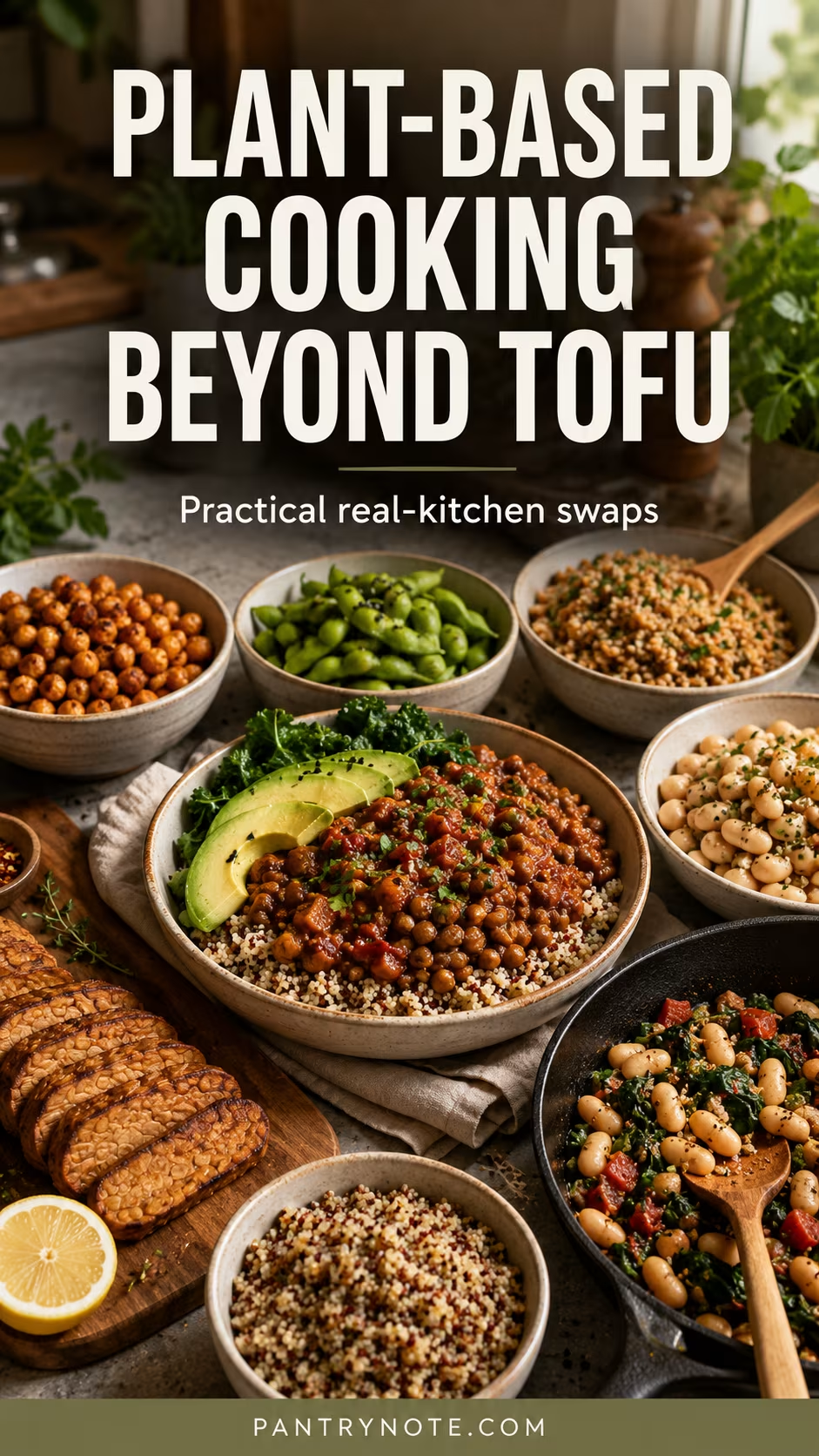
Tofu is bland only if you cook it wrong. The keys: buy firm or extra-firm, press out the water (wrap and weight it for 15-30 minutes), then cook it hot until genuinely golden and crisp — roasted, pan-fried, or air-fried — and season it boldly. Pressed and crisped tofu that's been tossed in a flavorful sauce is a world away from the pale, watery cube people complain about. Tempeh is even higher in protein and nuttier; steaming or simmering it briefly before searing mellows any bitterness, then it crisps and soaks up marinade beautifully.
Lentils and beans are cheap, filling, high in protein and fiber, and take seasoning wonderfully — lentils cook in 25 minutes with no soaking, beans (canned for speed) go into soups, stews, salads, and skillets. Edamame is a fast, complete-protein snack or side, just boiled or steamed and salted. Chickpeas roast crisp for a snack or a salad topper, or blend into hummus.
The universal lesson for plant proteins: season aggressively and cook for texture. Their failure mode is blandness and mushiness, both fixable — bold spices, sauces, and acid for flavor, and high-heat roasting, searing, or crisping for texture. Treated this way, tofu, tempeh, lentils, beans, and edamame are genuinely crave-worthy, not consolation prizes. They also stretch a food budget further than any meat.
How do you actually hit a protein target across the day?
Spread protein across every meal and snack rather than cramming it all into dinner, and build each around a different source so variety is automatic. Most people under-eat protein at breakfast and lunch and try to make it all up at dinner, which is both harder and more monotonous.
A practical pattern a high-protein breakfast (eggs, Greek yogurt, or cottage cheese) starts the day strong; a protein-anchored lunch (a grain bowl with beans or tuna, leftover salmon, a tofu stir-fry); a different protein at dinner (a seared steak, fish, a lentil stew); and protein-forward snacks (edamame, Greek yogurt, a hard-boiled egg, cottage cheese) to fill gaps. Because each meal pulls from a different source, you never eat the same protein twice in a day, which is the whole anti-burnout strategy.
Batch-prep helps enormously cook a few proteins at once (hard-boil eggs, roast a tray of tofu or chickpeas, cook a pot of lentils, poach or sear some chicken or fish) and recombine them through the week, the component-prep approach applied to protein specifically. Keep no-cook options on hand (Greek yogurt, cottage cheese, canned fish, edamame) for the days you don't want to cook. The combination of spreading protein across the day, rotating sources, and a little batch prep makes a high-protein diet both easy to hit and genuinely enjoyable.
How do you keep lean proteins from being dry and bland?
Two fixes: don't overcook them, and season and sauce them well. Dryness and blandness — the twin complaints about high-protein eating — are technique failures, not inherent properties of the food.
Overcooking is the number-one killer of lean proteins, because they have little fat to buffer against heat. Chicken breast, shrimp, fish, and pork tenderloin all turn dry and tough the moment they pass doneness, so use a thermometer or visual cues and pull them on time: chicken breast to 160-165°F (it carries over), shrimp at the C-curl, salmon at 120-125°F.
Pounding chicken thin so it cooks fast and evenly, or brining it briefly, also keeps it juicy. Cooking lean protein just to done, not beyond, is most of the battle against dryness.
Flavor comes from seasoning, searing, marinades, sauces, and acid — not from the protein alone. Salt well; build a crust through proper searing (flavor the Maillard reaction creates); marinate to add flavor and moisture; and finish with a sauce or a squeeze of acid that makes the whole plate sing.
A seared piece of protein with a quick pan sauce, or a marinated and grilled one with a bright dressing, is infinitely better than the same protein cooked plain. The protein is the canvas; technique and seasoning are what make it worth eating.
Master not overcooking and seasoning boldly, and even humble lean proteins become genuinely delicious.
What's a simple rotation to escape chicken burnout?
Build a loose weekly rotation that touches several different sources, so variety is built into the plan rather than left to willpower. A workable example across a week: eggs and Greek yogurt for breakfasts; a tofu or tempeh stir-fry one dinner; fish (salmon or shrimp) another; a lentil or bean dish a third; a lean beef or pork dish a fourth; and canned fish, edamame, and cottage cheese filling lunches and snacks. Chicken can absolutely stay in the rotation — just as one option among a dozen, not the daily default.
The point isn't a rigid schedule but a deliberate spread: when your week naturally includes eggs, fish, tofu, legumes, and red meat, you've eaten five completely different proteins and never once felt the chicken-breast monotony. Rotate the sources, cook each with technique suited to it, season boldly, and high-protein eating stops being a grind and becomes some of the most varied, satisfying cooking you do.
Common high-protein cooking questions
How do I make tofu not taste like nothing? Buy firm/extra-firm, press out the water, cook it hot until genuinely crisp and golden (roast, pan-fry, or air-fry), and season or sauce it boldly. Bland tofu is under-pressed, under-cooked, and under-seasoned — fix all three and it's excellent.
Is plant protein as good as animal protein? For most people's needs, a varied diet of beans, lentils, tofu, tempeh, and edamame provides plenty of high-quality protein; combining sources (like beans and grains) covers the full amino acid range. Animal proteins are more concentrated per serving, but plant proteins are cheaper, high in fiber, and excellent rotated in.
What are the best no-cook high-protein foods? Greek yogurt, cottage cheese, canned tuna and sardines, edamame (just boil), hard-boiled eggs (cook ahead), and milk. These make hitting a protein target effortless on days you don't want to cook.
How do I keep chicken in the rotation without burnout? Cook it differently — thighs instead of breast (juicier, more forgiving), bold marinades, different cuisines and sauces, and as one protein among many rather than the daily default. Variety in preparation and frequency is what prevents the burnout.
Chicken burnout is a variety problem, not a protein problem. Rotate through eggs, fish, beef, pork, Greek yogurt, cottage cheese, tofu, tempeh, lentils, beans, edamame, and canned fish — cook each with the right technique and season it well — and eating more protein becomes varied, satisfying, and genuinely enjoyable.
How much protein do you actually need?
It's worth a quick, non-prescriptive note, since "high-protein" only means something relative to a target. General guidance commonly cited puts adult protein needs in the rough range of 0.8 grams per kilogram of body weight for basic requirements, with more — often cited around 1.2 to 2.0 g/kg — recommended for active people, those building muscle, or older adults working to preserve it. Spreading that intake across meals (rather than one big dinner) helps your body use it well.
The practical takeaway for cooking is simply that most people benefit from getting adequate, well-distributed protein, and the variety-based approach in this guide makes that easy to hit enjoyably. Your specific target depends on your body, activity, age, and goals, so treat numbers as general orientation rather than a prescription — for individualized targets, especially with health conditions or specific athletic goals, a registered dietitian or your clinician can give you real numbers. What this guide handles is the cooking side: how to hit whatever target you're aiming for with food you actually want to eat, by rotating sources and cooking each one well.
Can I get enough protein without meat at all? Yes — a varied diet of eggs and dairy (if you eat them), plus tofu, tempeh, lentils, beans, edamame, seitan, and grains provides ample protein. Combining plant sources across the day covers the full amino acid range, as covered in plant-based cooking. Variety is the key either way.
 Save
Save
0 Comments
No comments yet — start the conversation below.