

White Bean and Tomato Skillet in 15 Minutes: A Pantry Dinner Worth Making Weekly
The dinner for when there's nothing in the house. White beans and canned tomatoes simmer into a creamy, bright skillet in 15 minutes, flexible enough for any night.
The white bean and tomato skillet is the dinner you make when there's "nothing in the house": a can of white beans, a can of tomatoes, garlic, olive oil, and whatever greens are wilting in the crisper, simmered into something genuinely satisfying in 15 minutes. It costs almost nothing, comes entirely from the pantry, and tastes far better than the sum of its parts because of how the beans and tomatoes behave together: the beans' starch thickens the sauce while their creamy interiors soak up the bright, garlicky tomato. It's vegetarian, naturally gluten-free, infinitely flexible, and exactly the kind of dish worth putting in weekly rotation.
This is humble cooking done with intent. Here's the method, why canned beans are the right call, and how to take it in a dozen directions.
Why are canned beans perfect for a weeknight skillet?
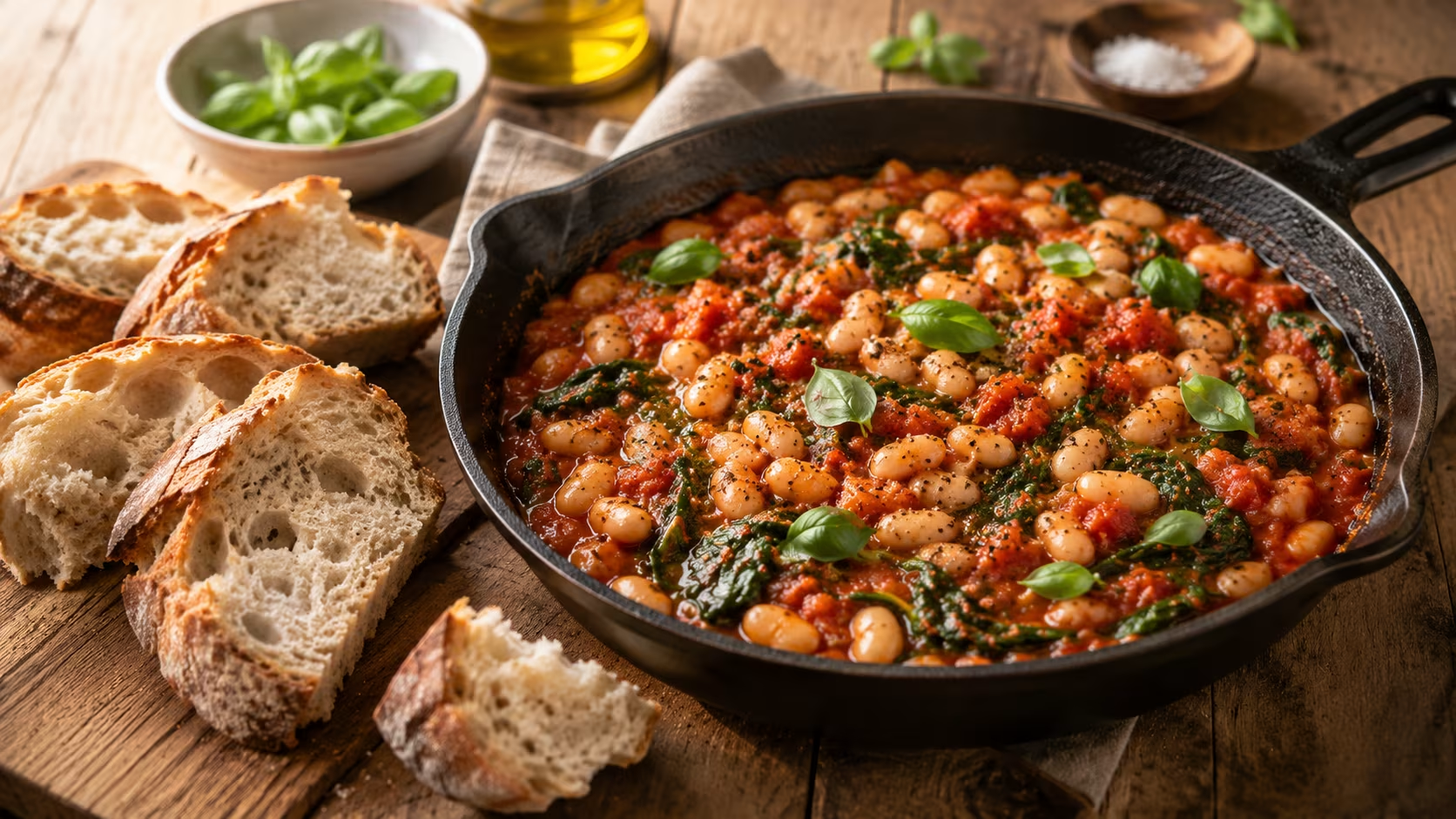
Because they're already cooked, creamy, and free, they turn a 15-minute pantry dinner into a real possibility with zero planning. Dried beans are cheaper and arguably better in flavor, but they need hours of soaking and simmering; canned beans are the whole reason this dish is a weeknight option rather than a weekend project.
Cannellini, great northern, or butter beans all work: large, creamy white beans that hold their shape while their interiors go soft. Don't drain them too aggressively. The starchy liquid in the can (sometimes called aquafaba) is an asset here: a splash of it, added to the skillet, helps thicken the sauce and bind it into something cohesive and slightly creamy rather than watery. Rinse only if the canning liquid tastes overly salty or tinny; otherwise, use a few tablespoons of it.
The beans also bring real nutrition and staying power: protein and fiber that make this a complete, filling meal rather than a side. That's the quiet power of a well-stocked pantry: a couple of cans you bought without a plan become dinner on a night you didn't feel like cooking. Keep several cans of white beans on hand and you always have the backbone of a meal.
How do you build flavor in 15 minutes?
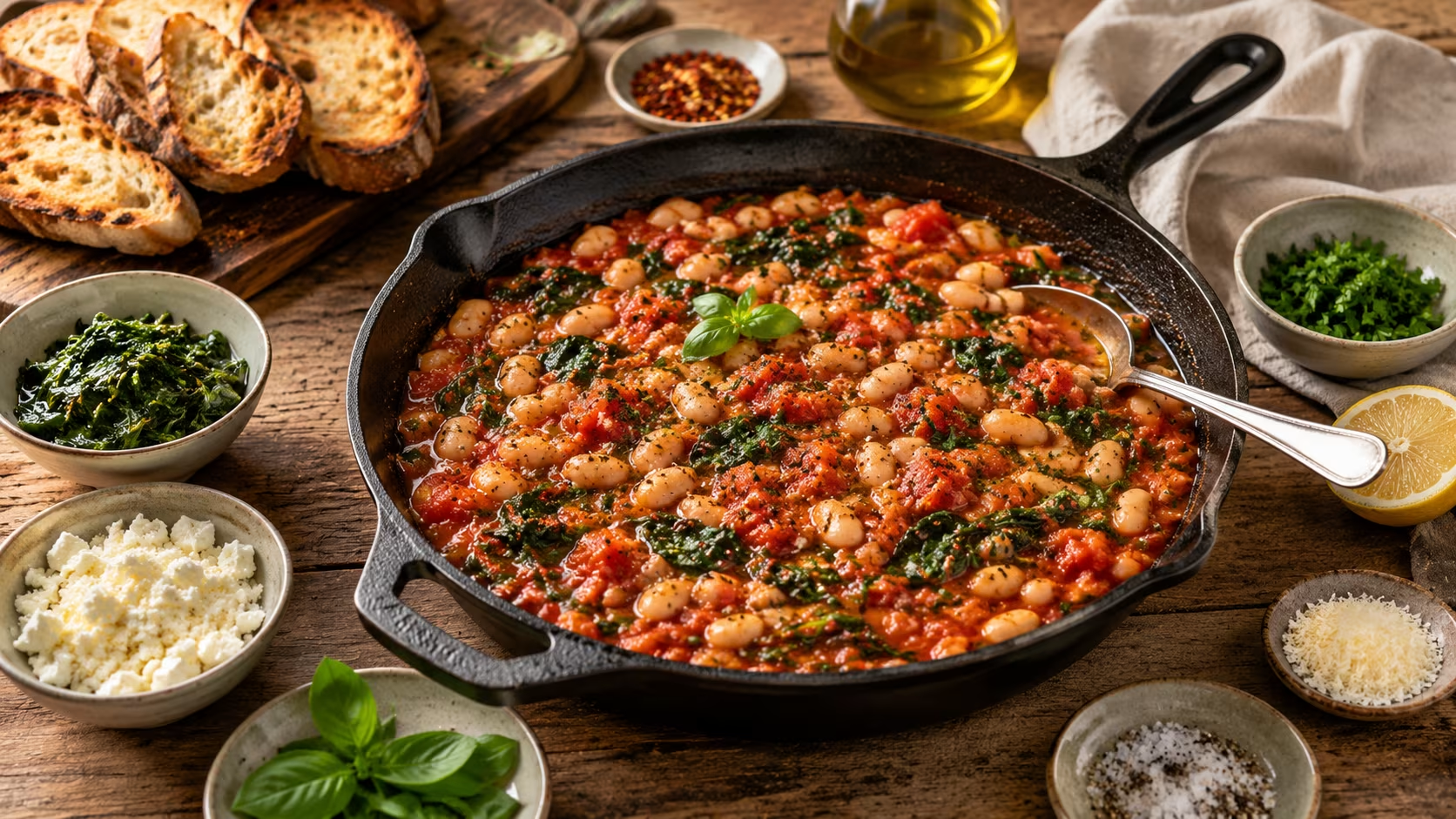
You build a fast flavor base (garlic and aromatics bloomed in good olive oil) then let the tomatoes and beans simmer just long enough to meld. Short cooking time means you lean on a few high-impact ingredients rather than slow-developed depth.
Start by warming a generous amount of olive oil in a skillet and gently cooking sliced or minced garlic with a pinch of red pepper flakes until fragrant but not browned: this infuses the oil and sets the foundation. Add canned tomatoes (whole peeled, crushed by hand, or diced) and let them simmer and reduce for a few minutes so the raw, tinny edge cooks off and the sauce sweetens and concentrates. Season with salt, and consider a pinch of dried oregano or a parmesan rind dropped in to simmer for extra savory depth.
Then add the white beans with a splash of their liquid and simmer another 5 minutes, letting the beans warm through, absorb the tomato flavor, and release some starch to thicken the sauce. Finish off the heat with a hit of acid and richness: a squeeze of lemon or a splash of vinegar to brighten, a final drizzle of good olive oil, and fresh herbs (basil or parsley). These finishing touches lift the dish from "fine" to "crave-worthy." A handful of grated parmesan melted in adds salty umami, though it's optional for a vegan version.
What greens and add-ins work best?
This skillet is a template, and greens are the most natural addition: they add freshness, color, and nutrition, and they wilt right into the simmering sauce. Stir in a few big handfuls of spinach, kale, chard, or escarole in the last couple of minutes; sturdy greens like kale need slightly longer to soften, tender spinach just needs to wilt.
Beyond greens, the dish takes almost anything:
- More protein: a fried or poached egg on top (the runny yolk enriches the sauce), crumbled sausage browned first, or canned tuna folded in.
- More vegetables: roasted peppers, artichoke hearts, zucchini, or wilted onions stretch it further.
- More richness: a dollop of ricotta, a crumble of feta, or that grated parmesan.
- More texture: toasted breadcrumbs on top, or serve it over or alongside crusty bread or polenta.
This flexibility is why it earns a weekly spot: it absorbs whatever odds and ends you need to use up, in the spirit of cooking from what you have. It's a close cousin to the Mediterranean pantry way of cooking: a few jarred and canned staples, combined with care, become a complete meal.
How do you make the white bean and tomato skillet, step by step?
Warm three tablespoons of olive oil in a skillet over medium heat. Add four sliced garlic cloves and a pinch of red pepper flakes, and cook 60 seconds until fragrant. Add a 28-ounce can of tomatoes (crushed by hand if whole), season with salt and a pinch of oregano, and simmer 5 minutes to reduce and sweeten.
Add two cans of drained white beans with a few tablespoons of their liquid and simmer another 5 minutes, stirring occasionally, until the sauce thickens and the beans are hot and creamy. Stir in a few handfuls of greens and cook until wilted, 1 to 2 minutes.
Off the heat, finish with a squeeze of lemon, a drizzle of olive oil, fresh basil or parsley, and grated parmesan if using. Serve in bowls with crusty bread or over polenta.
What should you serve with it?
The dish is nearly complete on its own (protein, vegetables, and sauce in one pan) so it needs little. Crusty bread is the essential partner, for scooping up the saucy beans. Beyond that, serve it over soft polenta, alongside rice, or with a simple green salad to round it into a fuller meal.
A poached or fried egg on top turns it into a heartier dinner or even a brunch. It pairs well with a medium-bodied red or a crisp white, but it's just as happy as a humble, comforting bowl on its own.
Common white bean skillet questions
Can I use dried beans instead? Yes, and they're cheaper and even creamier, but cook them ahead (soaked and simmered until tender) since they won't soften in a 15-minute skillet. Canned beans are what make this a weeknight dish; dried beans make it a weekend one.
Is it vegan? The base is naturally vegan: just skip the parmesan or use a plant-based version, and finish with olive oil for richness. The beans provide plenty of protein and body on their own.
How do I make it more filling? Add a fried egg, crumbled sausage, or canned tuna; serve it over polenta or with plenty of bread; or stir in extra beans. The beans already make it substantial, but these turn it into a hearty main.
Can I make it ahead? Yes. It actually improves overnight as the flavors meld, and it reheats beautifully with a splash of water. Add the fresh greens and herbs when reheating rather than before storing, so they stay bright.
Make it once and it earns a permanent place in the rotation: cheap, fast, flexible, and genuinely good. It's the dish that proves a couple of cans and some olive oil can be dinner, and a dinner worth wanting, not just settling for.
How do you turn it into different meals?
The white bean and tomato skillet is less a single recipe than a base you can redirect all week. Spoon it over polenta or rice for a heartier bowl; toss it with short pasta and a little reserved pasta water to make it a sauce; pile it onto toast rubbed with garlic for a fast bruschetta-style lunch; or top it with a fried or poached egg for brunch. Crack the formula open with additions: crumbled sausage or canned tuna for protein, roasted peppers or artichoke hearts for body, a spoon of harissa or pesto stirred in for a different flavor direction.
Because the beans and tomatoes form a flexible, savory base, almost any cuisine's seasonings can steer it: smoked paprika and cumin push it Spanish, oregano and feta push it Greek, chili and lime push it toward something else entirely. One pot of beans becomes a week of different dinners.
Is it good for batch cooking, and how do you store it?
This is one of the better dishes to make in a big batch, because it actually improves overnight as the flavors meld and the beans soak up more of the tomato. Make a double pot and you've got several meals: it keeps in the fridge for four or five days and reheats beautifully with just a splash of water to loosen it. Add the fresh greens and herbs when you reheat each portion rather than stirring them all in at once, so they stay bright and don't turn drab over days.
It also freezes well: portion it into containers and freeze for a couple of months, thawing overnight in the fridge. That makes it a smart thing to cook on a Sunday and stash for the inevitable nights you don't feel like cooking, the kind of cheap, freezer-friendly staple that anchors a budget cooking routine. A few cans, a pot, and twenty minutes buys you a week's worth of dinners.
What are the most common mistakes?
- Draining all the bean liquid. That starchy liquid helps thicken and bind the sauce; keep a few tablespoons.
- Not cooking the tomatoes long enough. Raw canned tomatoes taste tinny; simmer them to sweeten and concentrate.
- Forgetting the acid and finishing oil. A squeeze of lemon and a raw drizzle of good olive oil at the end are what lift it from flat to crave-worthy.
- Burning the garlic. Bloom it gently; bitter garlic taints the whole pot.
Why do beans and tomatoes work so well together? It's a balance of textures and flavors: the creamy, mild, starchy beans soak up and soften the bright, acidic tomato, while the beans' released starch thickens the tomato into a cohesive sauce. Each fixes the other's weakness (beans alone can be bland, tomatoes alone can be thin and sharp), which is why this humble pairing shows up in cucina povera traditions across the Mediterranean.
Can I add meat? Easily. Brown Italian sausage, pancetta, or ground meat first and build the dish in the rendered fat, or fold in shredded leftover chicken at the end. The beans keep it filling even without meat, but a little adds richness and makes it heartier for bigger appetites.
Why is it worth making weekly?
Few dishes hit this many marks at once: it's genuinely cheap (a couple of cans and some pantry staples), genuinely fast (15 minutes start to finish), genuinely nutritious (protein and fiber from the beans, vitamins from the tomatoes and greens), and genuinely flexible (it bends to whatever's in your fridge). That combination is exactly what earns a recipe a permanent weekly slot rather than a one-time try.
It's also forgiving in a way that builds confidence for newer cooks: there's no precise timing to nail, no protein to overcook, no technique that can fail badly. You're essentially simmering good ingredients together and finishing with acid, oil, and herbs.
Master this one humble skillet and you've internalized a template that scales across countless cheap, fast, satisfying dinners: build a flavor base, add a starchy-creamy element and an acidic one, simmer, and finish bright. Keep the cans on the shelf and you'll never be more than fifteen minutes from a real dinner.
Bottom line
A couple of cans of white beans and tomatoes, good olive oil, and a bright finish turn into a fast, cheap, nourishing dinner that genuinely earns its weekly place in the rotation.
 Save
Save
0 Comments
No comments yet — start the conversation below.