

Diabetic-Friendly Cooking: Practical Changes That Work in Real Kitchens
Diabetic-friendly cooking isn't a separate cuisine — it's choosing better carbs, pairing them with protein, fat, and fiber, and using the plate method to balance meals.
Diabetic-friendly cooking isn't about a separate set of "diabetic recipes" or eliminating all carbohydrates — it's about practical, sustainable changes to how you build a plate so that meals have a gentler, slower effect on blood sugar. The good news for anyone cooking for themselves or a family member with diabetes (or prediabetes) is that the principles are simple, they overlap almost entirely with generally healthy cooking, and they don't require bland or joyless food.
This guide covers the practical kitchen changes that actually work: managing carbohydrates intelligently rather than fearing them, pairing them with fiber, protein, and fat, and a few simple swaps and methods. It is general information, not medical advice — diabetes management is individual, and any eating plan should be worked out with your doctor or a registered dietitian.
What actually matters for blood sugar in cooking?
The biggest lever is carbohydrates — their amount and type — because carbs have the largest and fastest effect on blood glucose. But the key insight, and the one that makes diabetic-friendly cooking livable, is that it's about managing carbs intelligently, not eliminating them. Carbs aren't forbidden; the goal is to choose better ones and control portions and pairings so blood sugar rises more gently.
When you eat carbohydrates, they break down into glucose and raise blood sugar. The rate and size of that rise depends on the type of carb and what you eat it with.
Refined, low-fiber carbs (white bread, sugary foods, white rice, sweets) break down fast and spike blood sugar sharply. Whole, high-fiber carbs (whole grains, legumes, vegetables, fruit) break down more slowly, raising blood sugar more gradually and modestly.
So a central principle of diabetic-friendly cooking is favoring slower, higher-fiber carbohydrates over refined ones, and being mindful of portions.
The other major levers are fiber, protein, and fat, which all slow down how quickly carbohydrates are digested and absorbed, blunting the blood-sugar spike (covered below). And non-starchy vegetables — low in carbs, high in fiber and nutrients — are the foundation you can eat freely.
The framework, then, is: choose better carbs, watch portions, and pair them with fiber/protein/fat. None of this requires special "diabetic" products; it's a way of composing ordinary good food.
This overlaps heavily with high-protein and plant-forward cooking, which is why diabetic-friendly meals are simply well-balanced meals.
Why does pairing carbs with protein, fat, and fiber help?
Because protein, fat, and fiber slow gastric emptying and digestion, so the carbohydrates in a meal are absorbed more gradually — which flattens the blood-sugar spike rather than producing a sharp peak and crash. This is one of the most practical, immediately useful principles in diabetic cooking: it's not just what carbs you eat, but what you eat them with.
The mechanism is straightforward. A carbohydrate eaten alone (say, a plain bagel or a glass of juice) hits the bloodstream fast, causing a rapid glucose spike.
The same carbohydrate eaten alongside protein, fat, and fiber digests more slowly — the protein and fat take longer to break down and slow the stomach's emptying, and fiber physically slows sugar absorption — so glucose enters the blood in a gentler, more sustained way. A piece of toast with eggs and avocado affects blood sugar far more gently than the toast alone; an apple with peanut butter, more gently than the apple alone.
The practical cooking takeaway: don't serve carbohydrates naked. Build meals so that any carbs come with a good source of protein (eggs, fish, poultry, beans, tofu), some healthy fat (olive oil, nuts, avocado), and plenty of fiber (vegetables, legumes, whole grains). This is also more satisfying and filling, which helps with portion control and prevents the hunger swings that come from blood-sugar crashes.
So the same move that's good for blood sugar — balancing the plate — also makes meals more satisfying. Fiber deserves special emphasis: high-fiber foods (legumes, vegetables, whole grains, fruit with skin) both slow absorption and are filling, making them the backbone of diabetic-friendly cooking.
What's the plate method, and how do you use it?
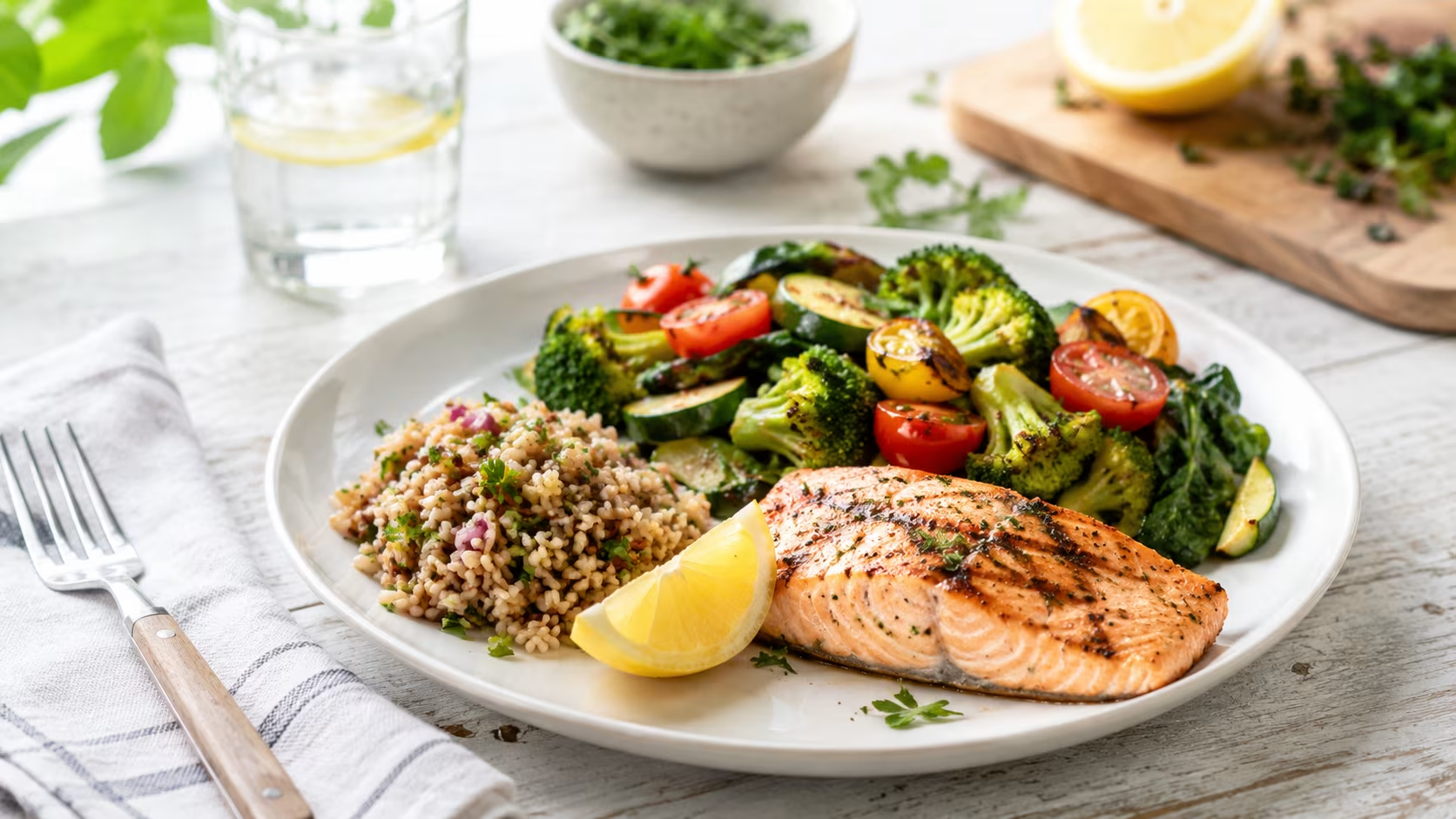
The plate method is a simple, no-counting way to build a balanced, diabetic-friendly meal by dividing your plate into proportions, and it's the most practical tool for everyday cooking. It translates all the principles above into something you can eyeball without weighing or calculating.
The standard version fill half your plate with non-starchy vegetables (leafy greens, broccoli, peppers, zucchini, green beans, cauliflower — low-carb, high-fiber, eat freely), a quarter with lean protein (chicken, fish, eggs, tofu, beans), and a quarter with carbohydrates (preferably whole grains, starchy vegetables, or legumes, in a controlled portion). Add a little healthy fat (olive oil, a few nuts, avocado) and you have a balanced meal that's automatically portion-controlled and gentle on blood sugar.
Why it works by making non-starchy vegetables the largest part of the plate and limiting the carb portion to a quarter, you naturally keep total carbohydrate moderate while getting plenty of fiber, protein, and volume. It requires no carb counting, no special foods, and no math — just proportions — which is why dietitians and diabetes educators recommend it as the everyday framework. For cooking, it shapes how you plan a meal: lead with a big serving of vegetables, add a sensible protein, keep the starch modest and whole-grain, and finish with a little good fat. It's flexible across cuisines (a stir-fry, a grain bowl, a roast dinner all fit the proportions) and is the single most useful habit for building diabetic-friendly meals at home.
What are the most useful swaps and cooking methods?
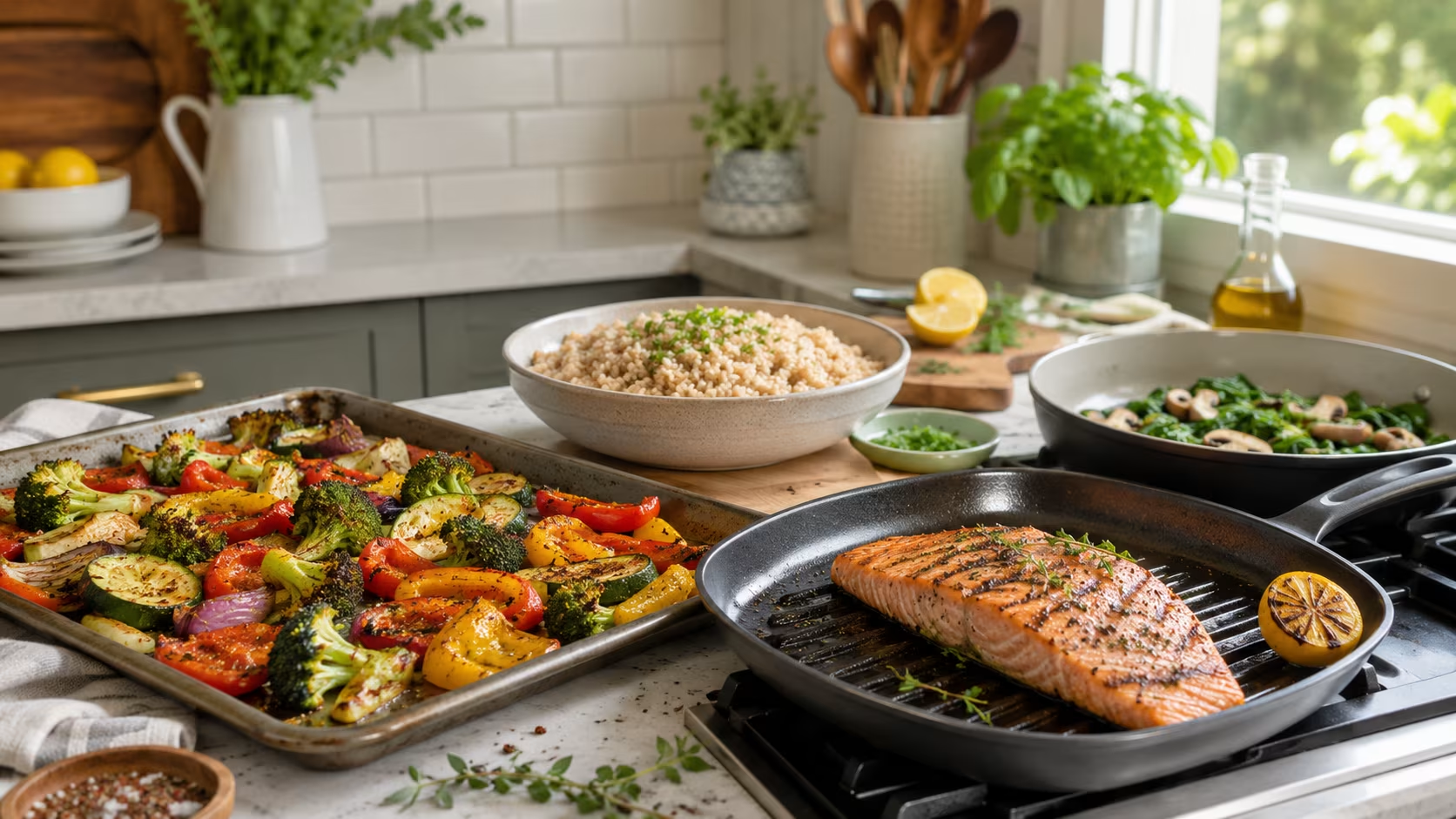
A handful of simple ingredient swaps and cooking techniques make ordinary recipes more diabetic-friendly without sacrificing flavor. These are practical changes that work in a real kitchen, not a separate cuisine.
Smart swaps: trade refined grains for whole grains (brown rice, whole-wheat, quinoa, oats) for more fiber and slower absorption; swap some or all of a starch for legumes (beans and lentils add protein and fiber while lowering the glycemic impact) or for extra non-starchy vegetables (cauliflower rice, zucchini noodles, or simply more vegetables and less rice/pasta); use Greek yogurt in place of some higher-fat or higher-sugar ingredients; and reduce added sugar in cooking (often you can cut it substantially without missing it, and lean on spices like cinnamon and vanilla for sweetness perception). Choose healthy fats (olive oil, nuts, avocado) over heavy saturated fats.
Cooking methods matter too: roasting, grilling, sautéing, steaming, and braising add flavor without added sugar, where breading-and-deep-frying or sugary sauces work against you. Build flavor with herbs, spices, aromatics, acid, and good technique (searing, roasting) rather than sugar and refined starch — exactly the flavor-building skills that make any cooking better.
Watch hidden sugars in sauces, dressings, and condiments (make your own vinaigrettes and sauces to control it). And keep portions of even healthy carbs sensible.
None of this requires special diabetic products — it's whole-food cooking with an eye on carbs, fiber, and balance, which happens to be good cooking for everyone.
How do you make diabetic-friendly food still taste good?
By leaning on flavor sources that have nothing to do with sugar or refined carbs — and recognizing that diabetic-friendly cooking, done well, is just flavorful whole-food cooking. The fear that managing blood sugar means bland food is unfounded; the flavor comes from technique and seasoning, not sugar.
Build flavor with: aromatics (onion, garlic, ginger), herbs and spices (a well-stocked spice rack is the cheapest, most powerful flavor tool and adds zero carbs), acid (lemon, lime, vinegar to brighten), umami (browned meat and vegetables, mushrooms, tomatoes, a little cheese, soy sauce), and good cooking technique (searing and roasting create deep flavor through browning, no sugar required). Healthy fats — olive oil, nuts, avocado — add richness and satisfaction. Naturally flavorful, vegetable-forward cuisines (Mediterranean, much of Asian cooking) are inherently well-suited and delicious.
The mindset shift is to stop thinking of it as "diabetic food" (a deprivation) and start thinking of it as well-balanced, flavorful cooking that happens to be gentle on blood sugar. A big plate of roasted vegetables, a nicely seared piece of fish or chicken, some beans or a modest portion of whole grain, dressed with olive oil, herbs, and lemon, is genuinely delicious and diabetic-friendly. The principles — more vegetables, better carbs in sensible portions, protein and fat and fiber alongside, flavor from technique and seasoning — produce food that's satisfying for anyone at the table, which is exactly why diabetic-friendly cooking works in real family kitchens rather than requiring separate meals.
This article is for general information only and isn't a substitute for medical or dietary advice. Diabetes management is highly individual — carbohydrate needs, medications, and targets vary — so work out your specific eating plan with your doctor or a registered dietitian who knows your full situation.
Common diabetic-friendly cooking questions
Do people with diabetes have to avoid all carbs? No — the goal is managing carbohydrates intelligently, not eliminating them: choosing higher-fiber whole-food carbs, controlling portions, and pairing them with protein, fat, and fiber to slow absorption. Very-low-carb approaches work for some people, but that's an individual decision to make with your healthcare team, not a universal rule.
What's the easiest single change to make? The plate method — half non-starchy vegetables, a quarter lean protein, a quarter whole-grain or starchy carb. It controls portions and balances the plate with no counting, and it's the most practical everyday habit for steadier blood sugar.
Are "sugar-free" or "diabetic" products necessary? Generally no — whole-food cooking with sensible carbs is better and cheaper than special products, many of which are processed or use sugar alcohols that can cause their own issues. Focus on real food, balanced plates, and portion awareness rather than specialty products.
Does this mean cooking separate meals from my family? Not at all — diabetic-friendly cooking is just well-balanced, vegetable-forward, whole-food cooking that's healthy for everyone. Build the family meal on the same principles (lots of vegetables, good protein, sensible whole-grain carbs, flavor from herbs and technique) and adjust individual carb portions at the table.
Diabetic-friendly cooking comes down to practical, sustainable habits: favor whole, higher-fiber carbs in sensible portions, pair them with protein, fat, and fiber to slow the blood-sugar rise, use the plate method to balance meals without counting, and build flavor from technique and seasoning rather than sugar. Done with guidance from your healthcare team, it produces satisfying food the whole household can enjoy.
What does a diabetic-friendly day on a plate look like?
A concrete day shows how the principles translate into real, satisfying meals — built on the plate method, balanced macros, and whole-food carbs. Breakfast: eggs (or Greek yogurt) with vegetables and a modest portion of whole-grain toast or oats, plus a little healthy fat like avocado — protein and fiber alongside the carb to slow the rise. Lunch: a big salad or grain bowl with leafy greens and non-starchy vegetables (half the plate), a lean protein (chicken, beans, tuna), a quarter-plate of a whole grain or legume, and an olive-oil dressing. Snack: something pairing carb with protein/fat — apple with nut butter, vegetables with hummus, or Greek yogurt — rather than a carb alone. Dinner: the plate method in action — half non-starchy vegetables (roasted or sautéed), a quarter lean protein (fish, chicken, tofu), a quarter whole grain or starchy vegetable, with flavor from herbs, spices, and a squeeze of acid.
Across the day, every meal balances fiber, protein, and fat with sensible portions of better carbs — which steadies blood sugar and keeps you full. It's flavorful, varied, vegetable-forward whole-food cooking, not deprivation, and the whole family can eat the same meals. The only "diabetic" part is the attention to carb type, portion, and balance.
Can people with diabetes eat fruit and dessert? Yes, in moderation and paired smartly — whole fruit (with its fiber) in sensible portions is fine and far better than juice, and occasional desserts can fit a balanced plan, ideally eaten after a balanced meal rather than alone. The key is portion, pairing, and frequency, not total elimination — but individual targets vary, so confirm with your healthcare team.
 Save
Save


0 Comments
No comments yet — start the conversation below.