

Banana Bread Variations That Actually Work: Six Reliable Recipes
Most banana bread variations flop because they ignore the fundamentals. Nail ripe bananas and gentle mixing, and six reliable variations all turn out tender and good.
Banana bread is the bake everyone has a version of, but most "variation" recipes either fall flat or collapse into a gummy mess because they ignore how the additions change the batter. Banana bread variations that actually work start from a solid base recipe and a clear understanding of two non-negotiables — using properly ripe bananas and not overmixing — then adjust deliberately for each variation. Get the fundamentals right and banana bread becomes a reliable canvas: chocolate chip, nutty, browned butter, spiced, and more, each genuinely good rather than a soggy experiment. Here's the base that works, the science that keeps it from going wrong, and six variations that actually deliver.
Why do ripe bananas matter so much?
Because the riper the banana, the sweeter, more flavorful, and moister your bread — ripeness is the single biggest factor in good banana bread, and under-ripe bananas are why so many loaves taste bland. This is the first non-negotiable.
As bananas ripen, their starches convert to sugars, so a heavily spotted, almost-black banana is dramatically sweeter and more intensely banana-flavored than a yellow one. It's also softer and wetter, which adds moisture to the loaf and mashes smoothly into the batter.
Use barely-ripe yellow bananas and your bread will be bland, less sweet, and drier; use spotty, mushy, overripe ones and it will be sweet, fragrant, and moist. The ideal banana for banana bread looks too far gone to eat out of hand — covered in brown and black spots, soft to the point of mushy.
This is also why banana bread is the classic way to use up bananas that have gone too ripe to eat. If you don't have ripe enough bananas, you can speed-ripen them: bake whole unpeeled bananas at a low oven temperature (around 300°F) for 15-20 minutes until the skins blacken and the insides soften, then cool and use.
The lesson is simple but crucial — the riper the better, and reaching for under-ripe bananas is the most common reason a loaf disappoints. Save your blackening bananas (peel and freeze them if you can't bake right away) specifically for this.
What's the one mistake that ruins banana bread?
Overmixing the batter — which develops gluten and makes the bread tough, dense, and gummy instead of tender. This is the second non-negotiable, and it's the technical key to every variation.
Banana bread is a quick bread, leavened with baking soda/powder rather than yeast, and quick breads rely on a tender, cake-like crumb. When you overmix a flour-based batter, you develop gluten (the same protein network that gives bread its chew), and in a quick bread that's exactly what you don't want — overdeveloped gluten makes the loaf tough, rubbery, and dense, often with a gummy texture and tunnels.
The fix is to mix only until the flour just disappears. Combine the wet ingredients fully, then add the dry and fold gently just until no streaks of flour remain — a few lumps are fine and actually good. Stop the moment it's combined.
The standard, reliable method that prevents overmixing: mash the ripe bananas, whisk together the wet ingredients (banana, melted butter or oil, eggs, sugar, vanilla), whisk the dry ingredients separately (flour, baking soda, salt, spices), then gently fold the dry into the wet just until combined. Folding by hand with a spatula, rather than beating with a mixer, makes overmixing much harder to do by accident. This minimal-mixing, two-bowl method is the foundation that makes any variation work — the additions go in at the very end with a final gentle fold. Ripe bananas plus a barely-mixed batter is the whole secret to tender, moist banana bread.
What's a reliable base recipe?
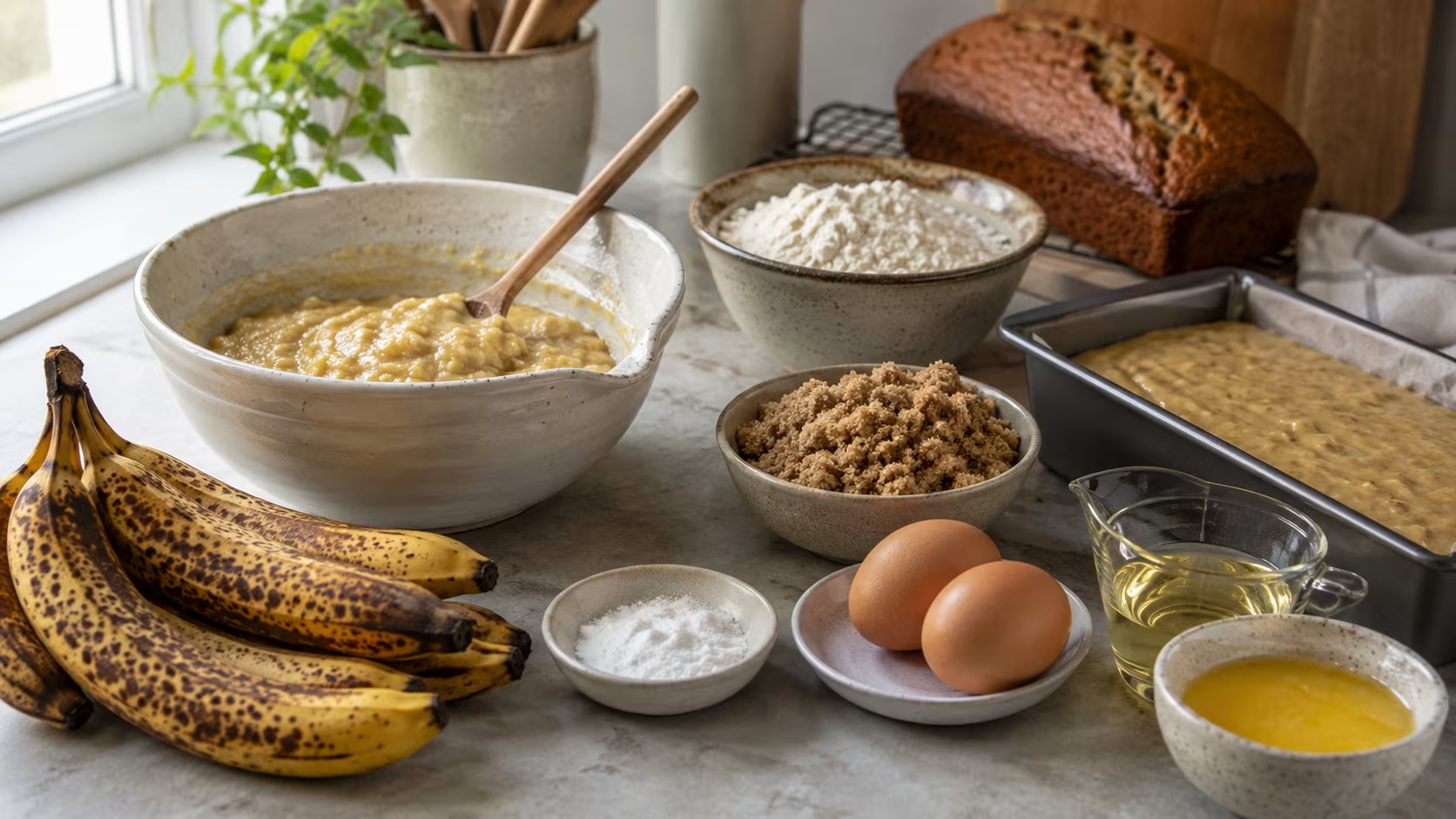
A dependable banana bread base is the platform for every variation, and it follows the quick-bread method above. The proportions that reliably work: about 3 to 4 very ripe mashed bananas, melted butter (or oil for extra moisture), sugar (a mix of white and brown, with brown adding moisture and a caramel note), eggs, vanilla, all-purpose flour, baking soda, salt, and optional cinnamon.
The method: heat the oven to around 350°F and grease a loaf pan. Mash the bananas well.
Whisk the melted butter, sugars, eggs, and vanilla into the bananas until smooth. In a separate bowl, whisk the flour, baking soda, salt, and any spices. Gently fold the dry into the wet just until the flour disappears — do not beat.
Fold in any variation add-ins now. Pour into the pan and bake until a toothpick inserted in the center comes out clean (or with a few moist crumbs), typically 50-65 minutes.
Because the loaf is dense and moist, it needs a fairly long, moderate bake; tent it with foil if the top browns before the center sets. Cool in the pan briefly, then turn out.
This base is intentionally forgiving and moist (those ripe bananas and the melted butter or oil keep it tender), and it takes additions well without falling apart. Every variation below starts from this same base and method; only the add-ins or one or two ingredients change. Nail the base — ripe bananas, gentle mixing, a long enough bake — and the variations are easy.
What are six variations that actually work?
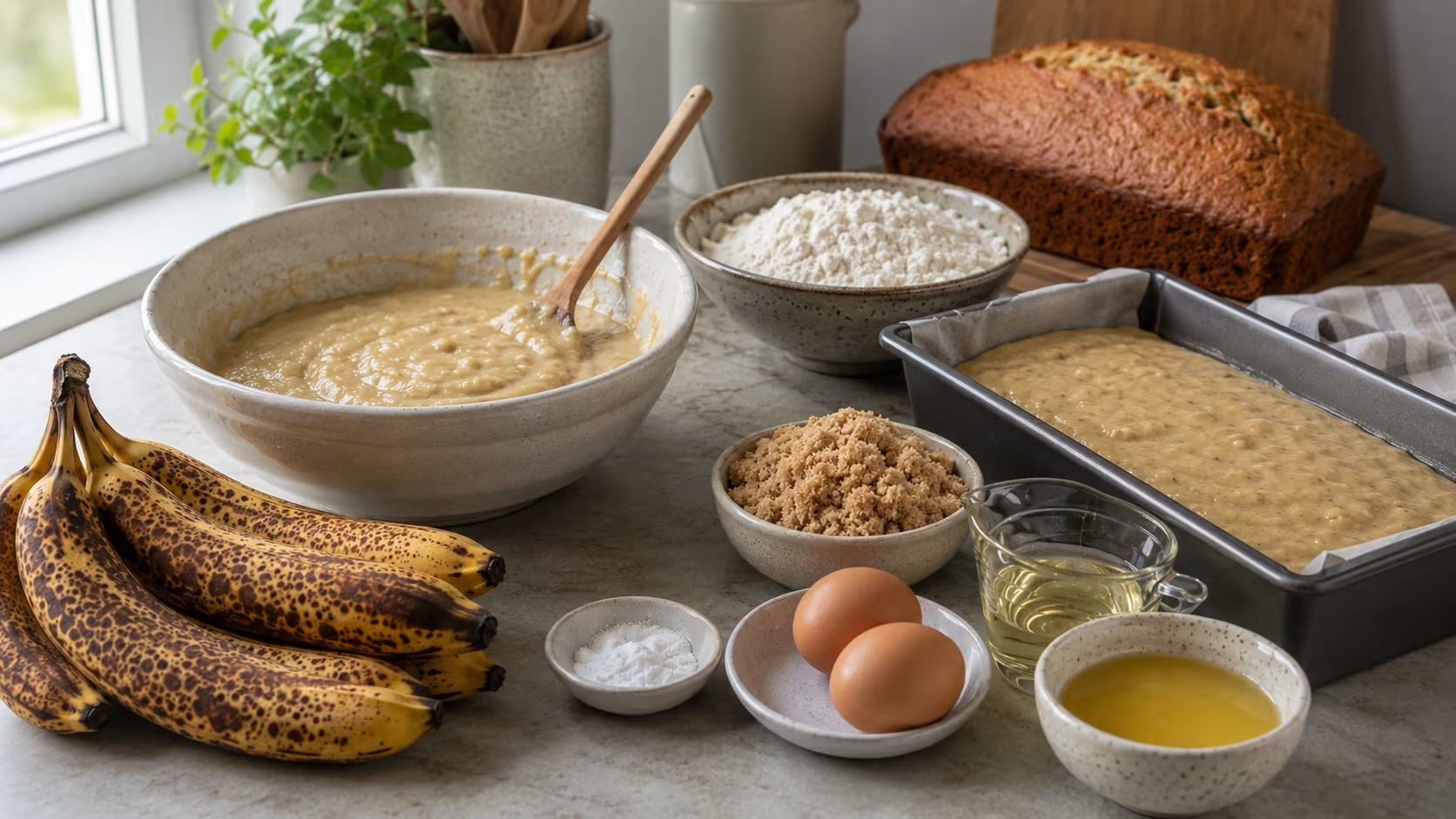
Each of these starts from the base recipe and changes it deliberately, so the result is genuinely good rather than a gummy gamble:
- Chocolate chip banana bread. Fold a cup of chocolate chips (or chopped chocolate) into the finished batter at the very end. Toss them in a little of the flour first so they don't all sink to the bottom. The most popular variation for a reason — banana and chocolate are a classic pairing.
- Nut banana bread. Fold in a cup of toasted, chopped walnuts or pecans. Toasting the nuts first deepens their flavor and keeps them crunchy. Adds texture and a nutty richness; the traditional banana-nut loaf.
- Browned butter banana bread. Brown the butter before adding it — melt and cook it until the milk solids turn nutty and golden, then cool slightly and use in place of plain melted butter. This adds a deep, caramelized, nutty complexity, the same browned-butter upgrade that elevates chocolate chip cookies. A small change with a big flavor payoff.
- Spiced banana bread. Boost the warm spices — add cinnamon, nutmeg, a little ginger, and a pinch of clove or cardamom. Turns it into a cozy, spice-cake-like loaf, especially good in cooler months.
- Cream cheese swirl banana bread. Swirl a sweetened cream cheese mixture (cream cheese, sugar, egg) through the batter before baking for a tangy, rich ribbon running through the loaf. A more decadent, almost dessert-like variation.
- Healthier / whole-grain banana bread. Swap some of the flour for whole-wheat flour, reduce the sugar (the ripe bananas add sweetness), and use oil or yogurt for moisture. The bananas' natural sweetness and moisture make this swap forgiving, unlike many "healthy" baking substitutions.
The common thread: each works because it respects the two fundamentals (ripe bananas, gentle mixing) and adds its variation at the right point without overhauling the moisture balance. Add-ins fold in at the end; ingredient swaps (browned butter, whole-wheat flour) are one-for-one and modest.
How do you adjust for add-ins without ruining the texture?
Add mix-ins at the end with a final gentle fold, account for their moisture, and don't overload the batter. This is what keeps a variation from turning gummy, sinking, or refusing to bake through.
Fold add-ins in last, after the batter is just combined, with a few gentle strokes — this avoids overmixing (which the extra stirring to distribute add-ins can cause) and keeps the crumb tender. Toss dry add-ins (chocolate chips, nuts, berries) in a spoonful of the flour before folding them in, so they're suspended through the loaf rather than sinking to the bottom. Account for moisture: wet additions (extra fruit, a cream cheese swirl, lots of chocolate) add moisture, which can make the center gummy or extend the bake time — so don't overload, and be prepared to bake a little longer and check doneness carefully. Don't overcrowd the batter with so many add-ins that it can't hold together or bake evenly; a cup or so of mix-ins is plenty for a standard loaf.
If a loaded variation comes out gummy in the middle, it usually needed a longer bake (the extra moisture from add-ins requires it) or had too many wet additions. Tent with foil and bake until a toothpick comes out clean.
Respect these adjustments and the variations stay as tender and reliable as the base. The base recipe's forgiveness — moist, dense, banana-rich — is exactly what lets it absorb these changes gracefully.
Common banana bread questions
How ripe should bananas be? Very — heavily spotted to mostly black, soft and mushy. The riper they are, the sweeter and more flavorful and moist the bread. Bananas too ripe to eat are perfect; if yours aren't ripe enough, oven-ripen them at 300°F until the skins blacken.
Why is my banana bread gummy or dense? Almost always overmixing (which develops gluten) or underbaking (especially with moist add-ins). Mix only until the flour just disappears, fold gently, and bake until a toothpick comes out clean — the dense, moist loaf needs a fairly long bake.
Can I freeze banana bread or the bananas? Both. Overripe bananas freeze well (peel them first) for whenever you want to bake, and baked banana bread freezes beautifully — wrap it well and thaw at room temperature. This makes it easy to always have ripe bananas on hand and bread in reserve.
Butter or oil — which is better? Butter adds flavor; oil adds extra moisture and a slightly more tender, longer-keeping crumb. Many recipes use butter for taste, but oil (or a mix) makes a notably moist loaf. Browned butter gives the best of butter's flavor with added complexity.
Banana bread variations only "actually work" when they're built on the two fundamentals: properly ripe bananas for sweetness and moisture, and a gently mixed batter for a tender crumb. Nail those, add your variation at the right moment, and you've got a reliable, endlessly adaptable loaf instead of a gummy gamble.
How do you store, freeze, and adjust pan sizes?
Banana bread keeps and freezes beautifully, which is part of its appeal. Store a cooled loaf wrapped at room temperature for a few days — it actually stays moist well thanks to the bananas and fat, and many find the flavor even better on day two. For longer storage, freeze it: wrap the whole loaf or individual slices tightly and freeze for a couple of months, thawing at room temperature (frozen slices are handy for grabbing one at a time). And remember you can freeze overripe bananas themselves (peeled) until you're ready to bake, so you always have the key ingredient on hand.
On pan sizes and formats: the same batter works beyond a standard loaf. Pour it into a muffin tin for banana muffins (reduce the bake time substantially, to around 18-22 minutes, since they're smaller); into mini loaf pans (shorter bake); or a larger/smaller loaf pan (adjust the time and watch for doneness).
The rule when changing pans is to judge by the toothpick test, not the original time — smaller formats bake faster, larger or fuller pans slower. Don't overfill pans, as the batter rises; fill about two-thirds.
Muffins are a great make-ahead, grab-and-go format from the same reliable batter.
Bottom line: banana bread variations work when they respect the two fundamentals — very ripe bananas for sweetness and moisture, and gentle mixing for a tender crumb — and add the variation at the right moment without unbalancing the batter. Nail those, fold add-ins in last, bake until a toothpick comes clean, and you have an endlessly adaptable, reliably good loaf.
Can I turn this into muffins? Yes — the same batter makes excellent banana muffins; just fill the cups about two-thirds and reduce the bake time to roughly 18-22 minutes, checking with a toothpick. Muffins are a great grab-and-go, freezer-friendly format from the identical reliable batter.
 Save
Save
0 Comments
No comments yet — start the conversation below.