

The Sunday Reset: A Real Meal Planning Method That Doesn't Require Spreadsheets
Cook five finished dinners on Sunday and you'll quit by Thursday. Prep components instead grains, a protein, two sauces and recombine them into a different meal each night.
The Sunday reset is not a color-coded spreadsheet or a rigid seven-day menu you'll abandon by Wednesday. It's a 90-minute block, once a week, that does just enough prep to make weeknight cooking a matter of assembly rather than invention.
Research on home cooking and food waste keeps landing on the same finding: a single concentrated session of planning and component prep saves far more time and money across the week than it costs. The reason most meal-planning systems collapse is that they demand decisions every single day.
This one front-loads the decisions and the friction into one afternoon, then coasts.
What you're really doing on Sunday is converting raw groceries into a set of ready building blocks (cooked grains, a roasted vegetable, a protein, a sauce or two) that recombine into different meals. You're not cooking five finished dinners. You're stocking a personal mise en place.
What is a Sunday reset, exactly?
A Sunday reset is a recurring prep session built around components, not complete meals. The distinction matters.
Cooking five labeled, finished dinners on Sunday is the version of meal prep most people try once, hate, and quit. By Thursday you're eating a sad, four-day-old container of the same thing and you never want to see it again.
Component prep avoids that trap. You cook a pot of grains, roast a tray of vegetables, prepare one or two proteins, and mix a sauce or dressing.
Then across the week you assemble: grain bowl Monday, the same protein in a wrap Tuesday, the roasted vegetables folded into pasta Wednesday. Same ingredients, different meals, no monotony.
The "reset" framing is deliberate. Sunday isn't only about the week ahead; it's about closing out the week behind.
You clear the fridge of anything about to turn, take stock of what's left, and let those odds and ends shape what you prep. That's the part that kills food waste: you cook around what you already have instead of letting it rot behind a new haul of groceries.
Why does component prep beat cooking full meals ahead?
Three reasons, each with a mechanism behind it.
First, flexibility fights fatigue. A finished casserole is one meal eaten four times. Four components (say, farro, roasted broccoli, shredded chicken, and a lemon-tahini sauce) recombine into a dozen distinct plates. Your brain reads them as different dinners even though the prep was shared, so you don't hit the wall of "I can't eat this again."
Second, components reheat better than assembled dishes. A dressed salad wilts; undressed greens and a separate dressing don't. Sauce-coated pasta turns gluey in the fridge; plain pasta and a jar of sauce reheat cleanly. Storing things apart and combining them at the last minute preserves texture, which is usually the first casualty of make-ahead cooking.
Third, partial prep lowers the activation energy of cooking. The hardest part of a weeknight dinner isn't the cooking; it's starting from zero: deciding, chopping, dirtying pans when you're tired. If the grain is cooked and the vegetables are roasted, "dinner" is ten minutes of assembly. That gap between a cold start and a warm start is the difference between cooking and ordering out.
How do you run a Sunday reset in 90 minutes?
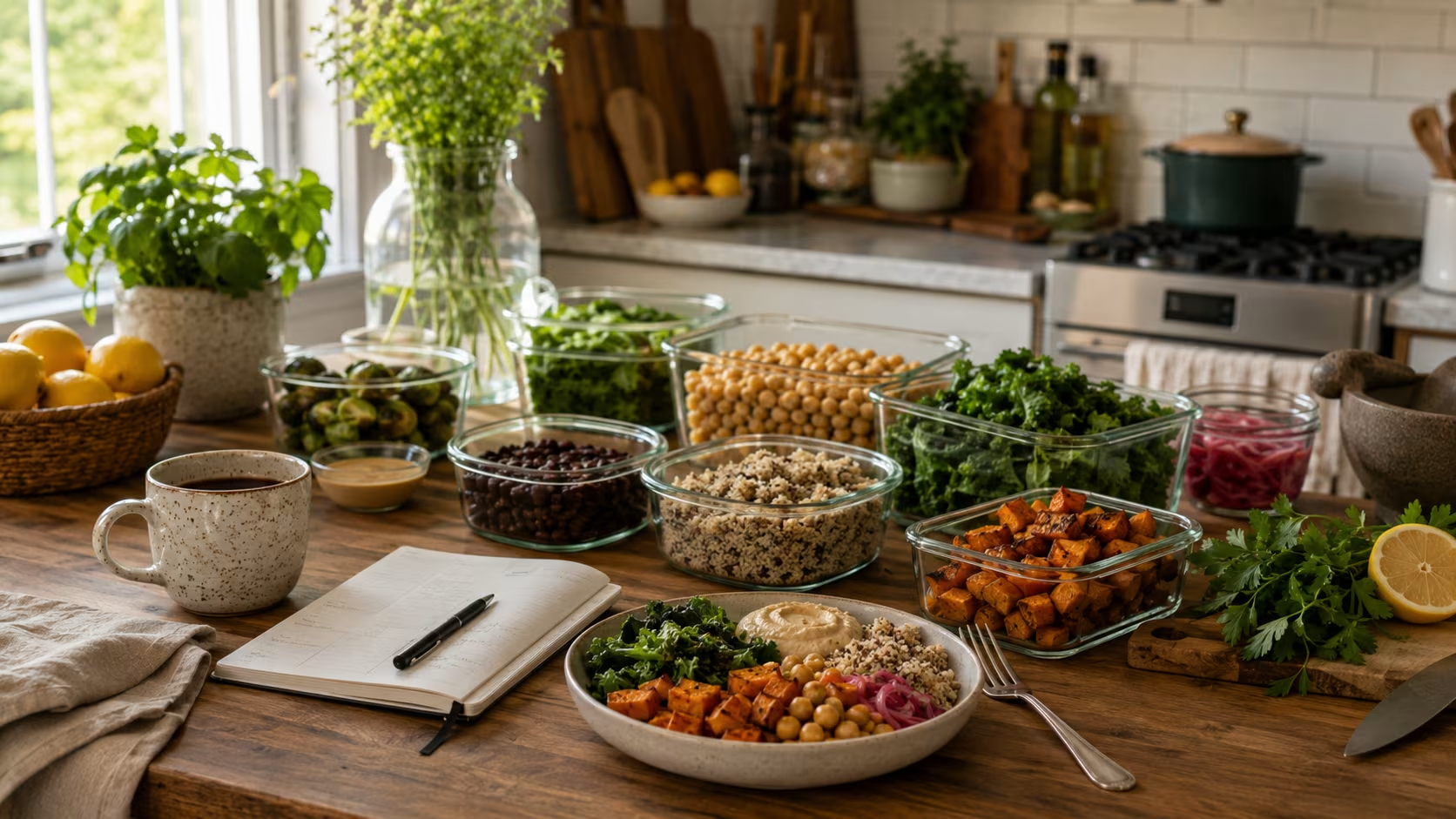
The session has a rhythm. Get the slow, hands-off things going first so they cook while you do active work.
Start the oven and the longest-cooking item immediately. Put a sheet pan of vegetables in to roast at 425°F and a pot of grains on the stove; both run unattended for 20 to 40 minutes.
While they cook, prep your protein: poach or roast chicken, brown a batch of ground meat, or roast a tray of tofu or chickpeas. With the heat working in the background, you spend your active time on knife work and sauces.
Build two sauces while everything cooks. A bright vinaigrette and a creamy sauce (yogurt-based, tahini, or a quick pesto) will carry most of the week's flavor and turn neutral components into specific dishes. Sauces are the highest-leverage thing you make on Sunday: ten minutes of work that flavors a dozen meals.
As items finish, cool them properly before sealing. Trapping steam in a hot container creates condensation that turns grains soggy and breeds bacteria, so let things vent for a few minutes, then refrigerate.
Label nothing if you'll use it in three days; label and date anything heading past that. The whole session, run in this overlapping way, lands around 90 minutes, the same figure batch-cooking guides consistently cite as the weekly investment that reshapes the rest of the week.
What should you actually prep?
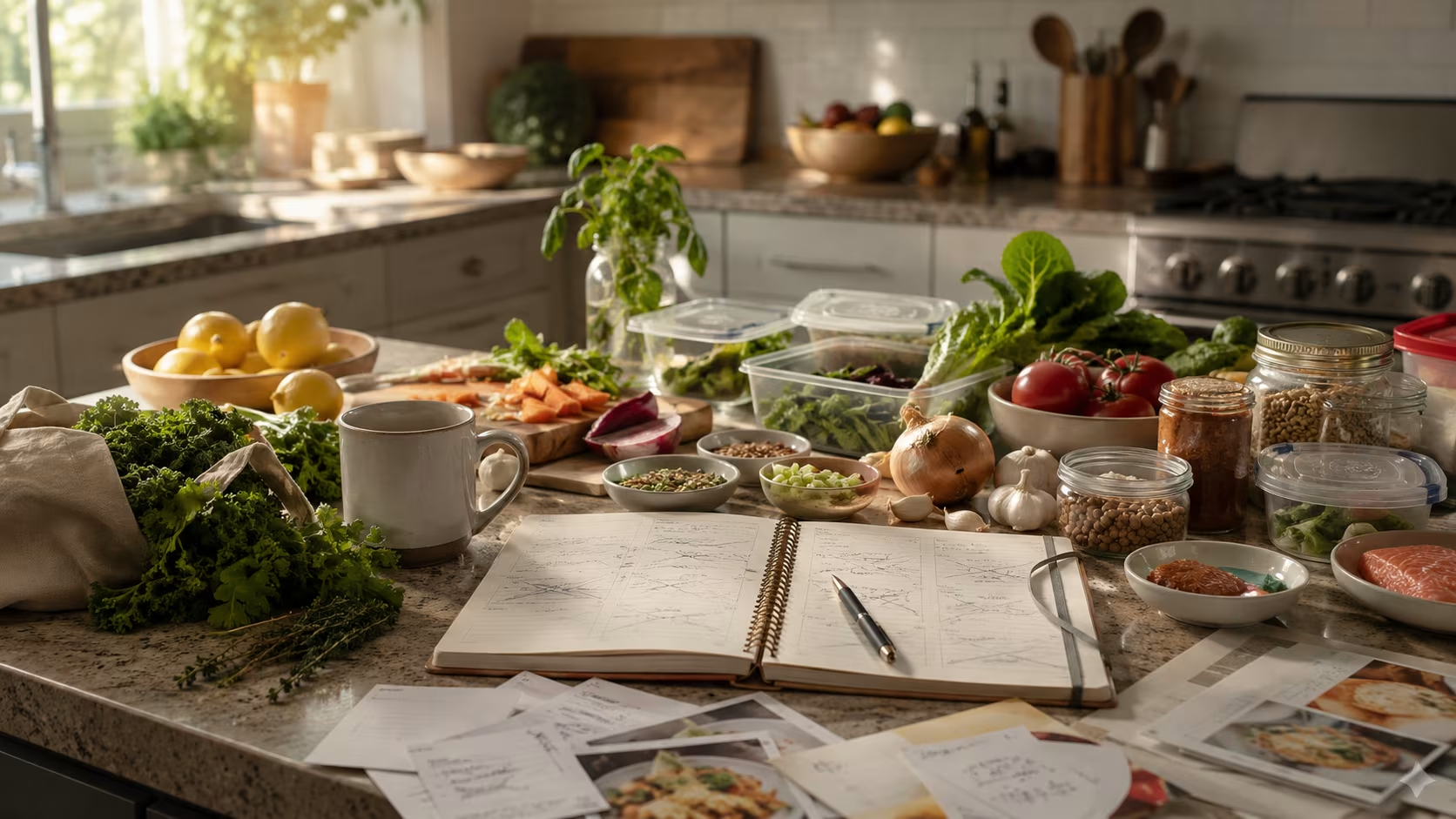
Aim for a balanced spread across the building-block categories so the week's combinations stay interesting. A workable default:
- Two grains or starches: a pot of rice or farro, plus something different like roasted potatoes or cooked pasta held plain.
- One big tray of roasted vegetables: whatever's in season and on hand: broccoli, cauliflower, carrots, squash. Roasting concentrates their sugars and they hold better than steamed.
- One or two proteins: shredded chicken, a pot of beans or lentils, hard-boiled eggs, browned ground meat. Mix a quick-cooking one and a make-ahead one.
- Two sauces: one acidic, one creamy. These do the heavy lifting.
- Washed greens and cut raw vegetables: the fast lane to a salad or a snack you'll actually reach for.
Let the contents flex with what your week demands. If a meal-prep-for-one rhythm fits your household, scale the quantities down and lean on components that keep: beans and grains over delicate dressed salads. The categories stay the same; only the volume changes.
How does a Sunday reset cut food waste and cost?
Food waste in home kitchens is overwhelmingly a planning failure, not a cooking failure. You buy fresh produce with vague intentions, the week gets busy, and a third of it liquefies in the crisper drawer.
A Sunday reset attacks this at the root by converting perishable raw ingredients into cooked components the same day you buy them. Roasted vegetables last five or six days; raw ones you forgot about last three.
Cooking on Sunday effectively extends the usable life of your groceries.
There's a cost mechanism too. When the fridge holds ready components, the impulse to order delivery (the single most expensive way to eat) drops sharply, because the marginal effort of assembling dinner is now lower than the effort of opening an app and waiting.
Over a month, that swap alone can outweigh a grocery bill. A reset also nudges you toward cheaper, prep-friendly staples (beans, grains, seasonal vegetables, eggs), which is why it dovetails so well with eating well on a tight budget.
The thrift isn't about coupons. It's structural: you waste less because you cook what you bought, and you spend less because you cook instead of order.
What does a week of meals from one reset look like?
Abstract advice about "components" clicks once you see them recombine, so here's a concrete week built from a single Sunday session. Say you prepped: a pot of farro, a tray of roasted broccoli and carrots, shredded poached chicken, a pot of white beans, a lemon-tahini sauce, and a quick vinaigrette, plus washed greens.
Monday is a grain bowl: farro, roasted vegetables, chicken, a spoon of tahini sauce. Tuesday those same roasted vegetables get folded into pasta with the beans and a little parmesan, reading as an entirely different dinner despite sharing two-thirds of its parts.
Wednesday is a fast soup: simmer the beans with stock and any leftover vegetables, finish with greens. Thursday, the chicken goes into a wrap or quesadilla with greens and vinaigrette.
Friday is a "clear the fridge" plate: whatever components remain, dressed and combined.
Five distinct dinners, one prep session, and no night where you ate the literal same plate twice. The variety is an illusion created by recombination, which is the whole psychological trick that keeps component prep sustainable where cooking five identical containers fails.
Notice too that the week flexes: if Thursday turns into takeout with friends, Friday simply absorbs Thursday's components. Nothing is wasted because nothing was locked to a specific day.
How do you plan around a busy or unpredictable schedule?
The reset's biggest strength is that it survives a chaotic week, as long as you build it for flexibility rather than rigidity. The mistake is assigning each component to a fixed day; that's the brittle spreadsheet approach that collapses the moment Wednesday's plan changes.
Instead, prep components that are deliberately interchangeable and store them so they hold. Cooked grains and beans last the full week; roasted vegetables and proteins last five to six days; delicate dressed salads don't, so keep dressings separate and greens washed but undressed.
This way, on any given night, you assemble from whatever's still good rather than executing a predetermined menu. A canceled dinner doesn't blow up the plan; the components just slide to the next available night.
For genuinely unpredictable weeks, lean harder on the longest-keeping components and freeze a portion of the protein and grains on Sunday, pulling them as needed. Build in a deliberate "buffer": prep slightly less than a full week so a night of leftovers or an unplanned meal out doesn't leave food rotting.
The goal isn't to control the week; it's to be ready for whatever it does. A reset that bends with your schedule is one you'll still be doing in six months, which is the only version that actually saves you money and stress.
How do you keep the habit from dying by week three?
Most resets fail not because they don't work but because they're too ambitious to repeat. The fix is to shrink the commitment until it's frictionless, then let it grow.
Start with one component, not five. Next Sunday, cook only a pot of grains and roast one tray of vegetables: 30 minutes, two dishes.
Notice how much easier two or three weeknight dinners become. That small, repeatable win builds the habit; the full 90-minute version comes later, once the routine is automatic and you trust the payoff.
Keep a running list on the fridge of what you prepped and when, so nothing gets buried and forgotten, the same first-in, first-out discipline that keeps a real pantry from turning into an archaeology site. And give yourself permission to skip a week without guilt.
A reset is a tool, not a moral obligation; the weeks you do it will pay for the weeks you don't. Cook two components this Sunday, eat better Monday through Wednesday, and let the habit earn its place from there.
Quick answers to common questions
How long do prepped components actually last? Cooked grains and beans hold about five days refrigerated; roasted vegetables five to six; cooked proteins three to four. Dressings keep a week or more. Anything you won't reach in that window goes into the freezer.
What if I don't have a free Sunday? The day doesn't matter: pick any 90-minute window that fits your week. A "Wednesday reset" works identically. The point is one concentrated session, not the specific day.
Won't I get bored eating the same components? That's exactly what component prep prevents. Because you recombine the same parts into different formats (bowl, wrap, soup, pasta), each meal reads as new even though the prep was shared.
Is it worth doing for just one person? Especially so. Cooking once and eating several times is most efficient at small scale, and a stocked fridge keeps a single person from defaulting to expensive takeout. Just scale the portions down.
Can I freeze prepped components? Yes: cooked grains, beans, soups, and most proteins freeze well in portioned containers and thaw overnight in the fridge. Roasted vegetables and dressed salads are the exceptions; their texture suffers, so keep those for the first few days fresh.
 Save
Save



0 Comments
No comments yet — start the conversation below.