

Mediterranean Salmon in 30 Minutes: A One-Pan Weeknight Dinner
A one-pan dinner that looks like effort and isn't. Roasted tomatoes, olives, and capers make a built-in sauce, and pulling the salmon early keeps it silky, not chalky.
Mediterranean salmon is the weeknight dinner that looks like you tried hard and actually took thirty minutes on a single sheet pan: salmon fillets roasted with cherry tomatoes, olives, capers, and lemon, finished with herbs and good olive oil. The whole thing leans on the Mediterranean pantry's bright, briny flavors to carry the fish, and on one piece of technique that everyone gets wrong: not overcooking the salmon.
Pull it at the right moment and it's silky and just-flaking; leave it a few minutes too long and it's dry, chalky, and weeping white albumin. This recipe is built around that timing, plus the one-pan method that makes cleanup a single tray.
It's flexible, forgiving in everything except doneness, and naturally gluten-free and low-effort. Here's how to make it, why salmon overcooks so easily, and how to flex it with whatever's in the fridge.
What temperature should salmon be cooked to?
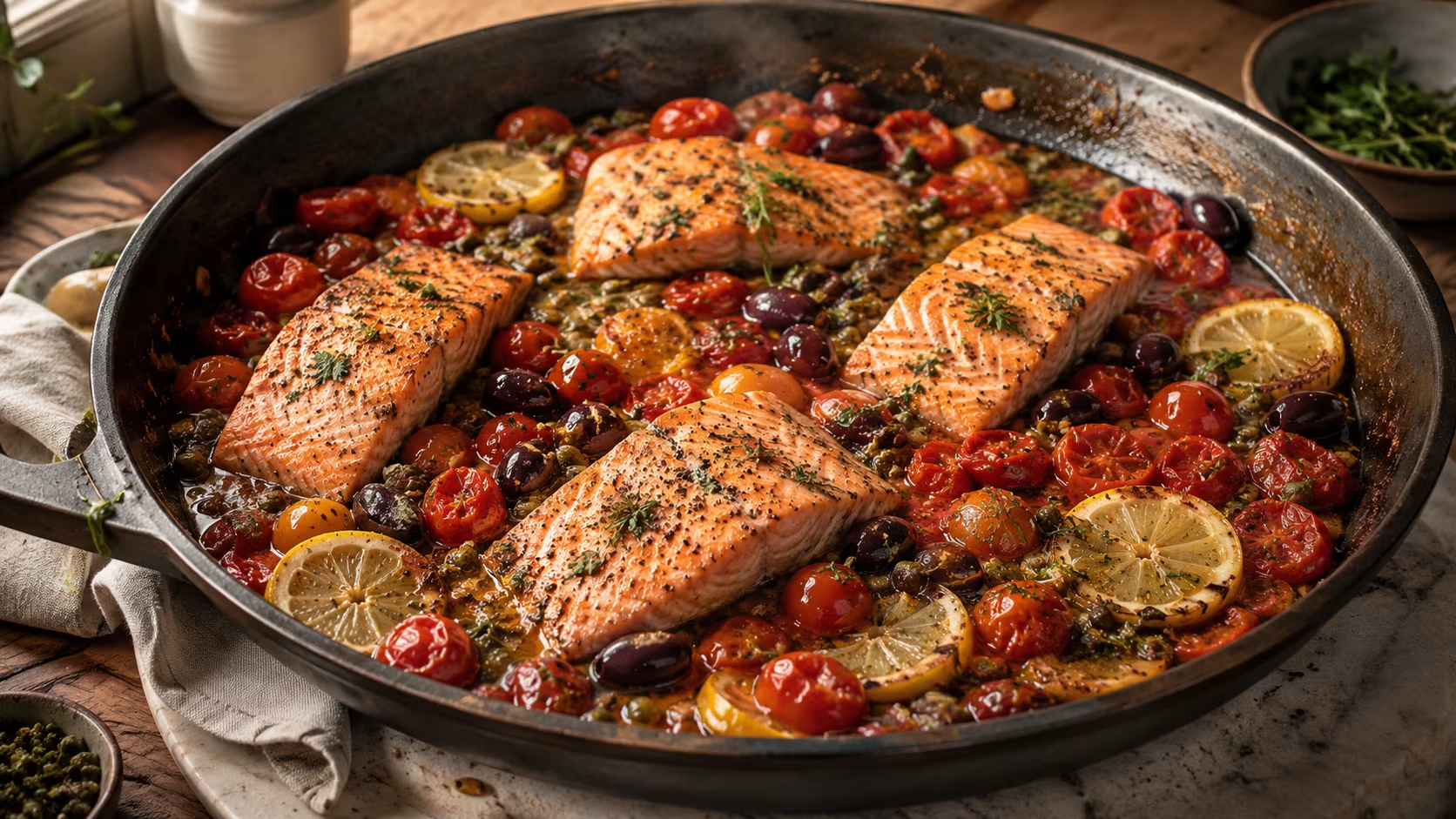
Pull salmon at an internal temperature of 120 to 125°F for a silky, just-cooked center, or up to 130°F if you prefer it more firmly flaked. The USDA's official safe minimum is 145°F, but at that temperature most salmon is overcooked and dry; many cooks and chefs target the lower range and rely on carryover cooking, accepting the trade-off. If you're serving someone pregnant, immunocompromised, or very young, cook to the full 145°F.
The reason salmon is so easy to ruin is that it's a relatively lean, delicate fish whose proteins seize and squeeze out moisture fast once they pass the doneness point. The visual tell of overcooking is the white stuff: albumin, a protein that gets forced out and coagulates on the surface as the fish overheats.
A little is normal; a lot means you cooked it too hard or too long. Cooked right, salmon turns from translucent to just opaque and flakes gently when nudged with a fork, while still looking slightly translucent in the very center.
An instant-read thermometer in the thickest part takes the guesswork out entirely. Without one, the fork test works: the fish should flake into moist segments with gentle pressure but still look glossy, not dry and white throughout.
How does the one-pan method work?
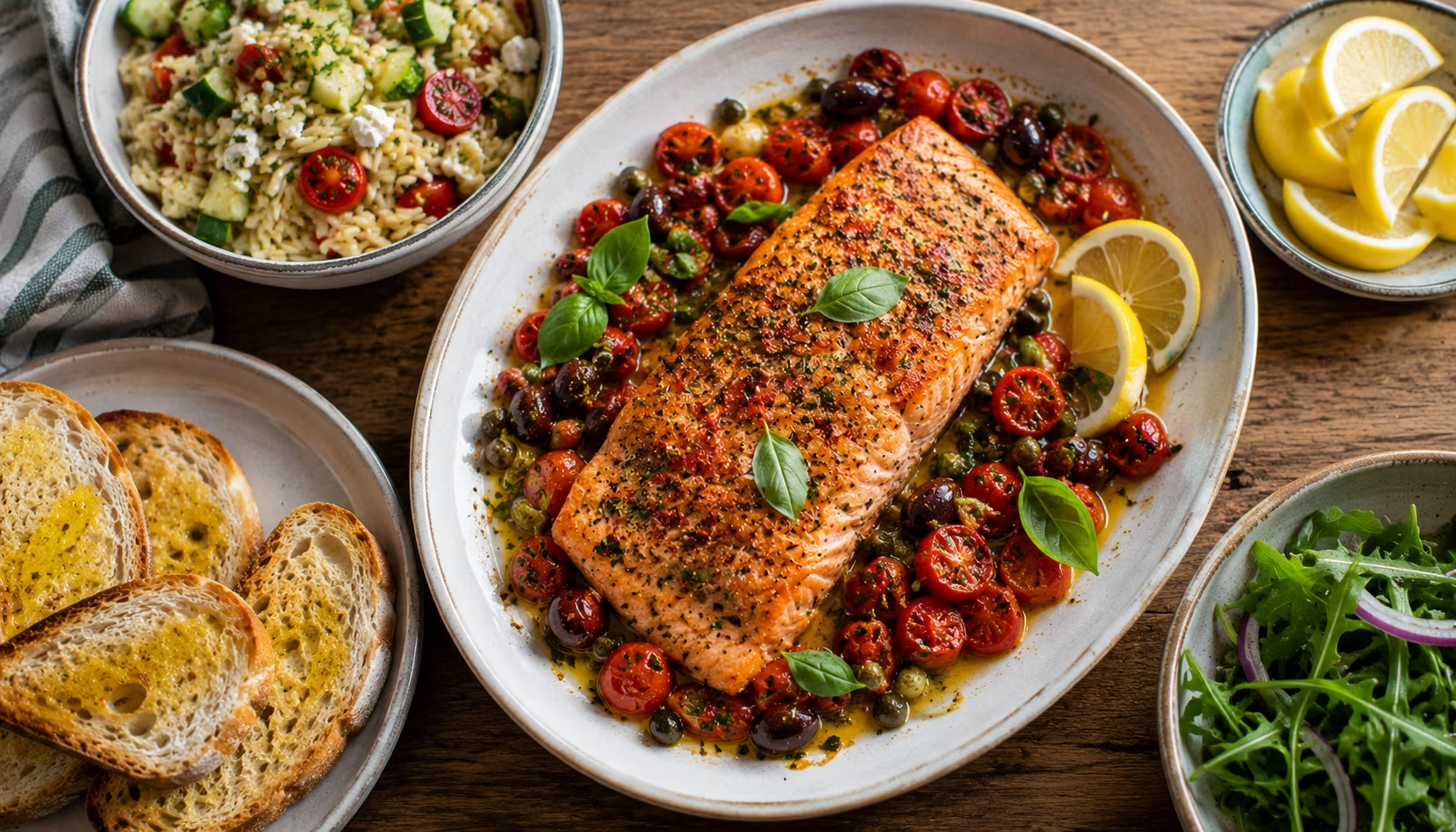
The trick to a true one-pan dinner is staggering what goes in when, because the tomatoes and aromatics need longer in the oven than the fish does. Roast the slow things first, add the salmon partway through, and everything finishes together.
Start by tossing cherry tomatoes, olives, capers, sliced garlic, and a thinly sliced shallot with olive oil, salt, and oregano on a sheet pan, and roast them at around 400°F for 10 to 15 minutes. This gives the tomatoes time to soften, split, and release their juices into a loose pan sauce while the olives and capers warm and mellow. Then nestle the salmon fillets among the roasted vegetables, drizzle with a little more oil, season, and return the pan to the oven for just 8 to 12 minutes, depending on thickness, until the fish hits 120 to 125°F.
This staggering solves the core problem of one-pan cooking (that different ingredients cook at different rates) without dirtying a second pan. The tomatoes' released juices, the briny capers and olives, and the lemon you squeeze over at the end form an instant pan sauce around the fish, no separate sauce-making required. Finish with fresh herbs (parsley, dill, or basil), a final drizzle of good olive oil, and lemon.
What makes it taste Mediterranean?
The flavor comes from a specific, recognizable set of pantry ingredients, not from the fish itself, which is exactly why it works on a busy night. Salmon is the canvas; the Mediterranean pantry is the paint.
The core notes are briny, acidic, and herbal: olives (Kalamata or Castelvetrano), capers, cherry tomatoes, garlic, lemon, good olive oil, and oregano or fresh dill. Each pulls its weight: the olives and capers bring salt and funk, the tomatoes bring sweetness and acid as they burst, the lemon brightens everything, and the olive oil ties it together with its fruity, peppery backbone. A scatter of crumbled feta at the end pushes it further toward Greek; a handful of artichoke hearts or roasted red peppers fills it out.
This is the payoff of keeping a Mediterranean pantry stocked: those few jarred and fresh staples turn a plain fillet into a complete, vivid dinner with zero special shopping. The same building blocks would make a chicken breast or a can of chickpeas sing; salmon just happens to be the fastest, most luxurious-feeling vehicle.
How do you make Mediterranean salmon, step by step?
Heat the oven to 400°F. On a rimmed sheet pan, toss two cups of cherry tomatoes, a handful of pitted olives, two tablespoons of capers, three sliced garlic cloves, and a sliced shallot with three tablespoons of olive oil, salt, pepper, and a teaspoon of dried oregano. Spread in a single layer and roast 12 to 15 minutes, until the tomatoes begin to burst.
Pat the salmon fillets dry and season with salt and pepper. Push the roasted vegetables aside to make space, nestle the fillets onto the hot pan among them, drizzle with a little oil, and roast another 8 to 12 minutes, until the salmon reaches 120 to 125°F at its thickest point and flakes gently. Thinner fillets and the tail end cook faster, so check early.
Finish off the heat with a generous squeeze of fresh lemon, a scatter of chopped fresh herbs, optional crumbled feta, and a final drizzle of good olive oil. Serve straight from the pan. The patting-dry step matters: a dry fillet surface browns lightly and looks better than a steamed, gray one, the same dry-surface principle that governs searing any protein.
What should you serve with it?
The dish brings its own vegetables and sauce, so you mainly need a starch to round it out. Crusty bread to mop the tomato-caper juices is the simplest and best option.
Beyond that: orzo or couscous tossed with some of the pan juices, a bed of rice, roasted potatoes added to the pan at the start, or a simple green salad for a lighter plate. Buttered new potatoes or a side of garlic-oil pasta both work.
For wine, a crisp, high-acid white (Assyrtiko, fittingly Greek, Vermentino, or a dry rosé) mirrors the lemon and brine and refreshes against the richness of the salmon.
Common Mediterranean salmon questions
Can I use frozen salmon? Yes. Thaw it overnight in the fridge or in a sealed bag under cold water, then pat very dry before cooking. Cooking from frozen is possible but makes timing harder and tends to steam the surface.
Skin on or off? Either. Skin-on protects the fillet and crisps if you finish it under the broiler; if you don't want to eat the skin, it slides off easily after cooking. Roasting skin-side down on the pan is the easy default.
How do I know it's done without a thermometer? The flesh turns from translucent to just opaque and flakes into moist segments when nudged, while the very center still looks slightly glossy. A lot of white albumin on the surface means it's overcooked.
Can I make it with another fish? Yes. Any firm, roastable fillet works: cod, halibut, sea bass, or trout. Adjust the roasting time for thickness, and note leaner white fish cook a touch faster and to a slightly higher final temperature than salmon.
Is it good as leftovers? Cold leftover salmon is excellent flaked over a salad or into pasta the next day. Reheating tends to overcook it, so eat leftovers cold or just barely warmed.
Make this once and it becomes a default: a single pan, thirty minutes, a handful of bright pantry staples, and a piece of fish you pulled at exactly the right moment. The only skill it asks of you is restraint: take the salmon out before you think you should.
How do you vary Mediterranean salmon?
The dish is a template built on bright, briny pantry flavors, so it flexes easily by region and by what's in the fridge. Push it Greek with crumbled feta, a handful of olives, and fresh dill and oregano.
Take it North African by swapping the oregano for a spoonful of harissa or a dusting of cumin and coriander, with preserved lemon if you have it. Go Provençal with herbes de Provence, a splash of white wine, and a few niçoise olives.
Each version uses the same one-pan method and timing; only the seasonings move.
You can also vary the vegetables freely: add thin-sliced fennel or zucchini with the tomatoes, fold in white beans or chickpeas to make it heartier, or pile spinach or kale onto the pan in the last few minutes to wilt. The salmon is the constant; everything around it is negotiable.
How do you meal-prep and store it?
Salmon is one of the better proteins to cook ahead precisely because cold leftover salmon is genuinely good rather than a sad reheat. Flake it cold over a grain bowl with the roasted tomatoes and a squeeze of lemon, fold it into a salad with greens and the briny pan juices, or pile it onto toast. Because reheating almost always overcooks it, leaning on cold preparations is the smarter play: it sidesteps the dish's one fragility.
If you do want it warm the next day, reheat gently and briefly: a low oven just until barely warmed through, never the microwave on high, which turns it dry and chalky in seconds. Store cooked salmon airtight in the fridge for up to three days, and keep the roasted vegetables and any sauce in the same container so the fish stays moist. For true meal prep, you can roast the tomato-olive-caper base ahead and cook the salmon fresh when you want it: the base reheats fine and the fish only takes ten minutes, so dinner is mostly done in advance without the salmon ever sitting around overcooking.
A buying note worth knowing: wild salmon (sockeye, king, coho) is leaner and firmer with a more pronounced flavor, while farmed Atlantic salmon is fattier, milder, and more forgiving of slight overcooking thanks to its higher fat content. Either works here; just remember leaner wild fish cooks a touch faster and dries out sooner, so watch it closely and pull it early.
Common Mediterranean salmon questions, continued
Can I cook it on the stovetop instead of roasting? Yes. Sear the salmon skin-side down in a hot pan for most of its cooking, flipping briefly at the end, and make the tomato-caper-olive mixture separately or in the same pan first. Roasting is just the easiest hands-off route and keeps it a true one-pan dish.
Do I need to remove the pin bones? Run a finger along the fillet; if you feel small bones, pull them with tweezers or pliers. Most fillets sold today are already pin-boned, but it's worth checking, since a stray bone is unpleasant.
What's the best way to tell doneness if I'm nervous about undercooking? Use an instant-read thermometer: it removes all guesswork. Pull at 120 to 125°F for silky, 130°F for firmer flake, or the full 145°F if serving anyone vulnerable. The fish keeps cooking a few degrees after it leaves the oven.
Why is it such a good weeknight default?
Beyond speed, salmon earns its weekly slot because it's nutrient-dense and pairs naturally with pantry staples. It's a rich source of protein and omega-3 fats, and because the Mediterranean flavor base comes from shelf-stable ingredients (olives, capers, canned or fresh tomatoes, olive oil), you can pull the whole dinner together with one trip to the fish counter and a stocked cupboard.
That combination of fast, nutritious, and largely pantry-driven is exactly what makes a recipe stick in the rotation rather than getting cooked once and forgotten. Keep a few fillets in the freezer and the Mediterranean staples on the shelf, and a good dinner is never more than thirty minutes away.
 Save
Save
0 Comments
No comments yet — start the conversation below.