

Chicken Piccata in 25 Minutes: Bright, Lemony, and Better Than Most Restaurants
Piccata is chicken Marsala's bright, tangy cousin. Pound the cutlets thin, dredge for a self-thickening sauce, and balance the lemon and capers with a swirl of butter.
Chicken piccata is the bright, tangy cousin of chicken Marsala: thin chicken cutlets seared golden, then finished in a glossy pan sauce of lemon, white wine, butter, and capers. It's a 25-minute dish that tastes like restaurant cooking because it relies on the same handful of classic techniques: pounding the chicken thin, dredging it for a crust that also thickens the sauce, and building a fast pan sauce from the browned bits.
The thing most home versions get wrong is balance (too much lemon and it's sour, too little and it's flat) and the thing restaurants often get wrong is drowning it. Done right, piccata is sharp, savory, briny, and silky all at once.
Here's the method, the science behind each step, and how to balance that signature lemon-caper punch so it sings instead of puckers.
How do you prepare the chicken cutlets?
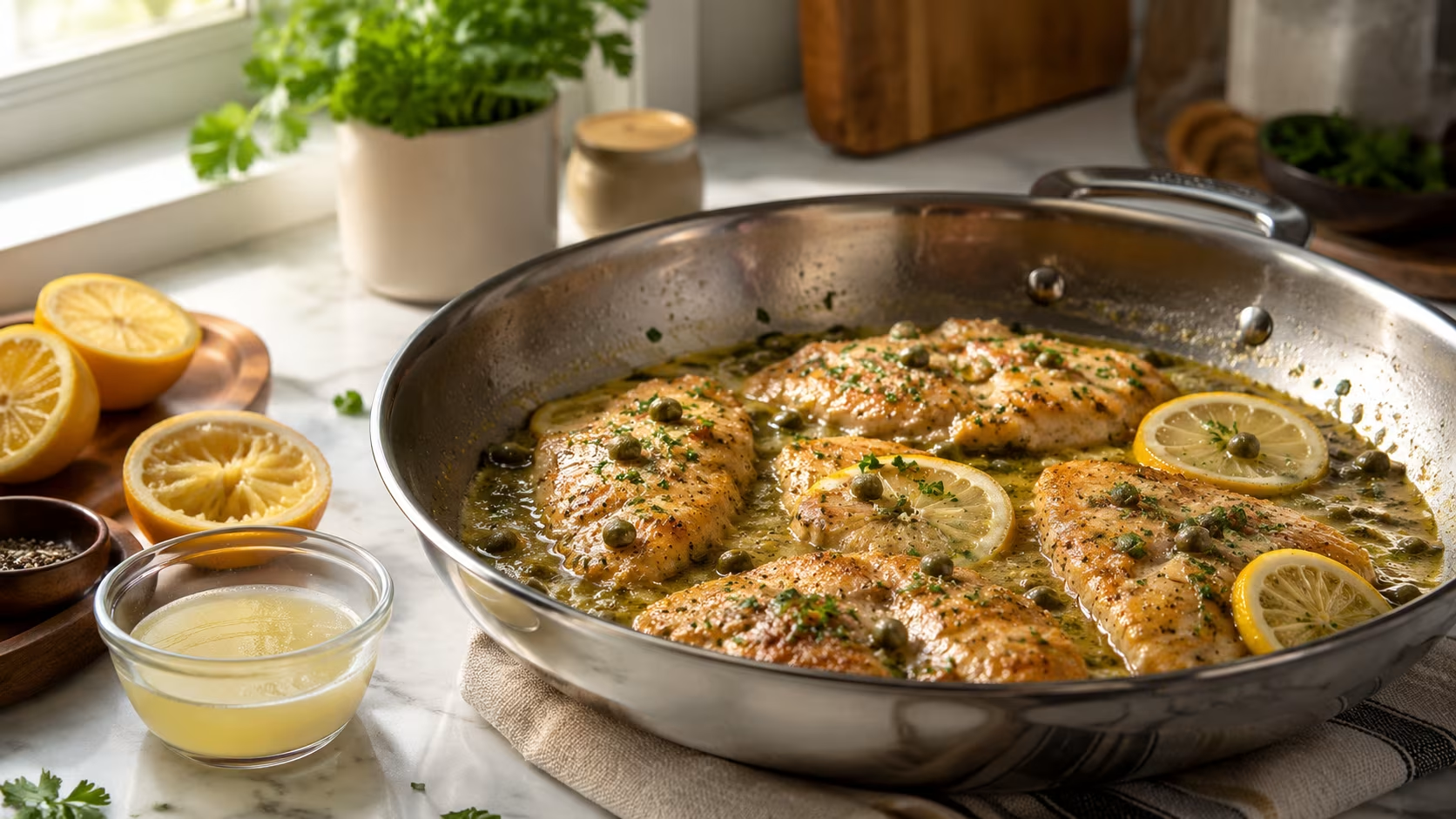
Pound them thin and dredge them in flour: the same two moves that make any quick cutlet dish work. Thin, even cutlets cook in minutes and stay tender; the flour gives you a golden crust and a sauce that thickens itself.
Slice boneless, skinless chicken breasts in half horizontally to make thin cutlets, then pound them between plastic to an even quarter-inch. Even thickness is the goal: it means the whole cutlet cooks at the same rate and browns evenly, where a breast that's thick on one end and thin on the other overcooks before the thick part is done. Season the cutlets with salt and pepper, then dredge in flour and shake off the excess.
The flour coating does three jobs, exactly as in chicken Marsala. It dries the surface so it browns into a golden crust via the Maillard reaction; it shields the lean meat from harsh direct heat; and the flour that cooks off into the pan later thickens the lemon-wine sauce into something glossy that clings, rather than a thin, watery puddle.
Sear the dredged cutlets in a hot pan with oil and a little butter, 2 to 3 minutes per side, until golden, then set them aside: they'll finish in the sauce. The technique is the dry-surface, hot-pan logic that drives searing any meat properly.
What goes into the piccata sauce?
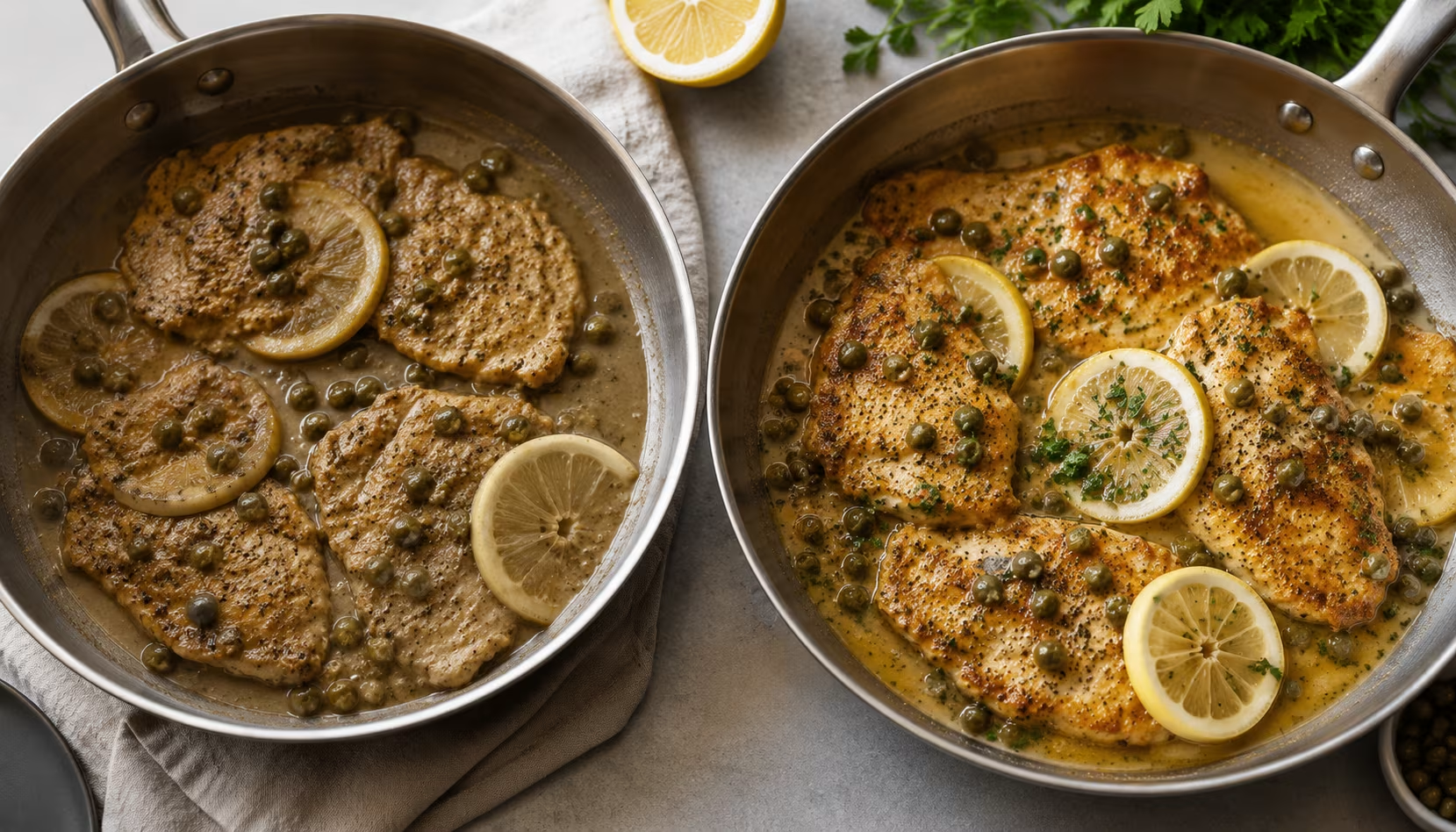
Four things in balance: lemon, white wine, butter, and capers, built on the fond left by the chicken. This is the entire identity of the dish, so the proportions matter.
With the cutlets resting, deglaze the hot pan with a splash of dry white wine, scraping up the browned bits, and let it reduce by half to cook off the raw alcohol and concentrate flavor. Add chicken stock and fresh lemon juice, and let that reduce briefly too.
Then stir in the capers (those little brined flower buds that give piccata its signature salty, tangy pop) and any thin lemon slices if you like a more intense citrus presence. Finish the sauce off the heat by swirling in cold butter, which gives it gloss, body, and a rounding richness that tempers the acid.
This monter au beurre step is what makes the sauce taste restaurant-smooth.
The balance to chase: the sauce should be bright and tangy but not sour, savory from the stock and capers, and silky from the butter. If it's too sharp, a little more butter or stock softens it; if it's flat, more lemon or a few more capers wakes it up.
Return the cutlets and their juices to the pan and simmer a minute or two to finish cooking them through and let them absorb the sauce. Finish with chopped parsley.
How do you keep the lemon from taking over?
Use fresh lemon juice, add it in stages, and balance it with the butter and the brine of the capers rather than dumping it all in at once. Acid is powerful, and piccata's failure mode is becoming a sour, one-note lemon bath.
Start with the juice of one lemon for two servings and taste before adding more: you can always add acid, but you can't take it back. The butter at the end is the key counterweight: fat rounds out and mellows sharp acidity, which is why a properly finished piccata tastes balanced rather than puckering even with a real lemon presence. The capers add salt and their own milder, briny acidity, layering complexity so the lemon isn't carrying the tang alone.
Avoid bottled lemon juice, which tastes flat and slightly metallic; fresh is non-negotiable in a dish where lemon is a headline flavor. And reduce the sauce properly: a thin, un-reduced sauce tastes harshly of raw wine and lemon, while a reduced one is concentrated, mellow, and complex. The same reduction principle behind turning thin liquid into real sauce applies directly here.
How do you make chicken piccata, step by step?
Pound two chicken breasts into four thin cutlets, season with salt and pepper, and dredge in flour, shaking off the excess. Heat a large skillet over medium-high with a tablespoon each of oil and butter. Sear the cutlets 2 to 3 minutes per side until golden, then transfer to a plate.
To the same pan, add a splash of dry white wine and scrape up the fond. Let it reduce by half, then add about half a cup of chicken stock and the juice of one lemon.
Simmer to reduce slightly, then stir in two tablespoons of capers (and thin lemon slices if using). Off the heat, swirl in two tablespoons of cold butter until the sauce is glossy.
Taste and balance the lemon, salt, and richness. Return the cutlets and their juices, simmer 1 to 2 minutes to finish, and scatter with parsley before serving.
What should you serve with chicken piccata?
Piccata's bright sauce wants a starch to soak it up. The traditional pairing is angel hair or spaghetti tossed lightly in some of the sauce, or buttered egg noodles.
Creamy mashed potatoes, soft polenta, or crusty bread all work to catch the lemon-caper sauce. For vegetables, keep them simple and green (roasted asparagus, sautéed spinach, green beans, or a crisp salad) so they refresh against the richness rather than competing.
To drink, pour the same crisp, dry white you cooked with: a Pinot Grigio, Sauvignon Blanc, or unoaked Chardonnay mirrors the lemon and acidity.
Common chicken piccata questions
What's the difference between piccata and Marsala? Same cutlet technique, opposite sauce. Piccata is bright and tangy with lemon, white wine, and capers; Marsala is nutty and savory with dry Marsala wine and mushrooms. Learn one and you basically know the other.
Can I make it without wine? Yes. Replace the white wine with extra chicken stock plus a small splash of extra lemon juice or a teaspoon of white wine vinegar for the acidity the wine would provide. The sauce will be slightly less complex but still good.
What are capers, and can I skip them? Capers are the pickled flower buds of the caper bush, brined for a salty, tangy bite that's central to piccata. You can technically omit them, but you'd lose the dish's defining note; chopped briny green olives are the closest substitute.
Why is my sauce thin? Either you skipped dredging the chicken (the flour thickens the sauce) or didn't reduce the wine and stock enough. Let it bubble down longer, or finish with a touch more cold butter for body.
Make it once and you'll have both piccata and the broader cutlet-and-pan-sauce technique in your repertoire: a 25-minute dish that lands brighter and more balanced than most restaurant plates, for the price of one lemon and a jar of capers.
Can you make chicken piccata with other proteins or ahead?
The piccata treatment (dredged cutlet, lemon-caper-wine-butter pan sauce) works on more than chicken. Veal is the original (veal piccata predates the chicken version) and is exquisite if you can find thin cutlets. Pork cutlets, pounded thin, take the sauce beautifully. Fish (sole, tilapia, or other thin white fillets) make a lighter, faster piccata, since the fish cooks in just a couple of minutes; dredge gently and handle carefully. Even firm tofu or thick mushroom slices can stand in for a vegetarian version, browned and finished in the same bright sauce.
On making it ahead: piccata is best fresh, because the thin cutlets overcook on a hard reheat and the lemon sauce is brightest just-made. But you can prep components early (pound, season, and dredge the cutlets a few hours ahead, and have the lemon juiced and capers measured) so the actual cooking is a fast finish.
Leftovers keep in the fridge for up to three days; reheat gently and briefly, with a splash of stock to loosen the sauce, accepting that the cutlets firm up slightly. The sauce can also be made a touch ahead and rewarmed, with the cold butter swirled in fresh at serving for the best gloss.
What should you serve it with?
Because the sauce is bright and thin, it wants a starch that soaks it up: angel hair or spaghetti tossed in the sauce is the classic, but buttered egg noodles, mashed potatoes, soft polenta, or plenty of crusty bread all work. Keep vegetables simple and green (roasted asparagus, sautéed spinach, green beans, or a crisp salad) so they refresh against the richness. A crisp dry white, the same one you cooked with, completes the plate.
Can I double the recipe for company? Yes, with the same caution as any cutlet dish: sear the cutlets in batches so the pan stays hot and they brown rather than steam, holding them in a warm oven, then build one larger batch of sauce and finish the cutlets in it. Don't crowd the pan trying to cook them all at once.
Why did my capers make it too salty? Capers are brined, so rinse or drain them before adding, and go easy on additional salt until you've tasted the finished sauce: between the capers, the stock, and the dredging, the dish picks up salt from several directions. Taste before the final seasoning.
Is piccata the same as scaloppine? Scaloppine refers broadly to thin pan-fried cutlets in a sauce; piccata is a specific scaloppine with the lemon-caper-butter sauce. So all piccata is scaloppine, but not all scaloppine is piccata: Marsala is another scaloppine variation.
Common questions, continued
Can I use chicken thighs? Yes. Boneless thighs, opened out and pounded to an even thickness, are more forgiving and stay juicier than breast. They take a minute or two longer to cook through but work beautifully in the same lemon-caper sauce.
Why did my flour coating fall off? Usually the pan wasn't hot enough, or the cutlets were moved too soon. Let the dredged cutlet sit a minute after flouring so the coating adheres, get the pan properly hot, and don't disturb the cutlet until it's ready to release and flip.
Can I make a bigger-batch sauce? Yes. The lemon-caper-wine-butter sauce scales easily.
Just give a larger volume a little longer to reduce, and finish with the cold butter off the heat at the very end so it stays glossy rather than greasy. Taste and rebalance the lemon as you scale, since acidity doesn't always scale linearly with the rest.
Can I add cream or mushrooms? A small splash of cream at the end makes a richer, rounder sauce some people prefer, though the classic piccata is bright and cream-free. Sautéed mushrooms can be added too, edging it toward a lemon-caper-mushroom hybrid. Keep any additions restrained so the lemon and capers still lead.
Make it once and the bright, balanced result (and the broader cutlet-and-pan-sauce skill behind it) will earn piccata a regular place on your weeknight table.
Bottom line
Thin cutlets, a confident sear, and a reduced lemon-caper-butter sauce finished off the heat give you a bright, balanced piccata that genuinely outshines most restaurant versions for the cost of a lemon and a jar of capers.
 Save
Save
0 Comments
No comments yet — start the conversation below.