

Beef and Broccoli in 20 Minutes: The Takeout Version You Can Make Better at Home
Restaurant-tender beef comes from one trick: velveting. Add a balanced soy-and-oyster sauce and crisp-tender broccoli, and home beef and broccoli beats delivery.
The reason restaurant beef and broccoli has that silky, tender beef and your home version comes out chewy and gray is one technique most people have never heard of: velveting. It's a Chinese restaurant method that tenderizes thin-sliced beef with a quick baking-soda and cornstarch treatment, and it's the single thing that takes home stir-fry from disappointing to genuinely better than takeout. Add a properly balanced sauce, broccoli cooked so it's crisp-tender and bright green, and a screaming-hot pan, and you've got a 20-minute dinner that beats delivery on flavor, freshness, and price.
This is the takeout classic with the restaurant's secret built in. Here's how velveting works, how to build the sauce, and the high-heat technique that ties it together.
What is velveting, and why does it make the beef so tender?
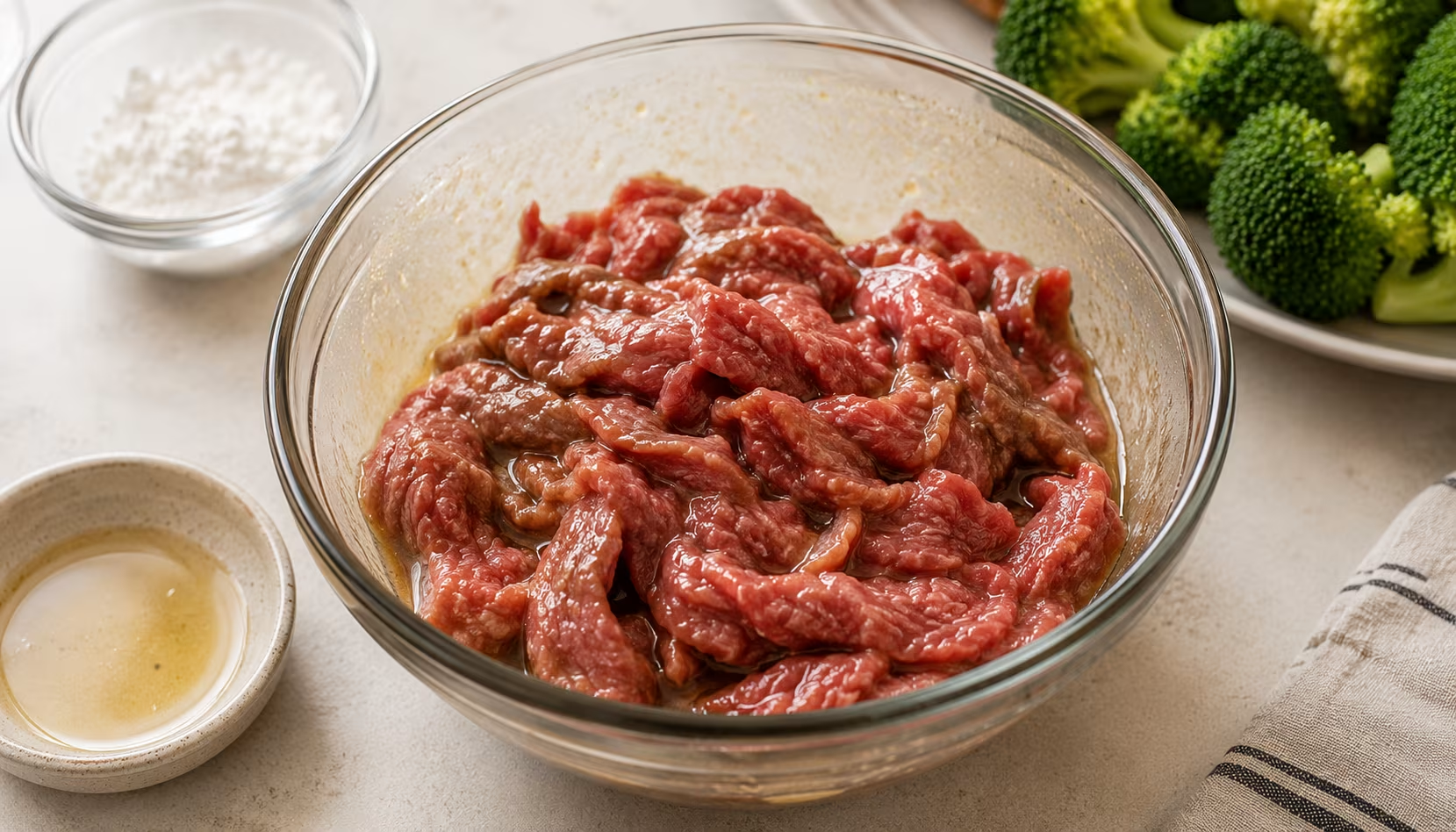
Velveting is the restaurant technique of treating thin-sliced beef with baking soda and cornstarch before stir-frying, and it's what gives the beef that signature smooth, tender, never-chewy texture. It works through simple chemistry.
Baking soda raises the surface pH of the beef, which slows how quickly the muscle proteins tighten and seize during cooking. Proteins that contract less squeeze out less moisture, so the meat stays soft and juicy instead of going tough and grainy. The method: toss the sliced beef with about a teaspoon of baking soda per pound, let it sit 15 to 30 minutes (longer for tougher cuts), then rinse it thoroughly under cold water until the water runs clear: this step is essential, because leftover baking soda tastes soapy and metallic.
Cornstarch does a different job. After rinsing and patting dry, you toss the beef with cornstarch (often with a splash of soy sauce and oil).
The cornstarch forms a thin protective coating that shields the meat from the harsh direct heat, keeps it moist, and gives it that glossy surface that grips the sauce. It doesn't tenderize like baking soda, but it's why velveted beef looks lacquered and silky.
For a weeknight 20-minute version, you can use a lighter touch (just the cornstarch-and-soy coating without the full baking-soda soak) if you start with a tender cut. But for cheaper, tougher cuts like flank or skirt, the baking-soda step is what rescues them. Either way, slice the beef thinly against the grain, which shortens the muscle fibers so each bite is tender rather than stringy.
How do you build the beef and broccoli sauce?
The sauce is a savory-sweet balance of soy sauce, oyster sauce, a little sugar, aromatics, and a cornstarch slurry to thicken it into that glossy coating. Get the components right and it tastes like the best version of takeout, minus the cornstarch-gluey heaviness.
The backbone is soy sauce for salt and umami and oyster sauce for deep, savory sweetness and body: oyster sauce is the ingredient that makes it taste distinctly like restaurant beef and broccoli. Round it out with a little sugar or honey for balance, fresh garlic and ginger for aroma, a splash of Shaoxing wine or dry sherry if you have it, and a touch of toasted sesame oil at the end. Choosing the right soy sauce matters more than people think: a good naturally brewed one tastes far rounder than cheap hydrolyzed versions, as the soy sauce buying guide lays out.
To thicken, whisk a teaspoon or two of cornstarch into the sauce or into a little cold water as a slurry, and add it toward the end. As the sauce comes to a boil, the cornstarch gelatinizes and turns the thin liquid into a glossy glaze that clings to the beef and broccoli.
Add it gradually: too much makes the sauce gluey and pasty, the classic bad-takeout texture. You want it just thick enough to coat the back of a spoon and cling to the food.
How do you cook the broccoli so it's crisp-tender and green?
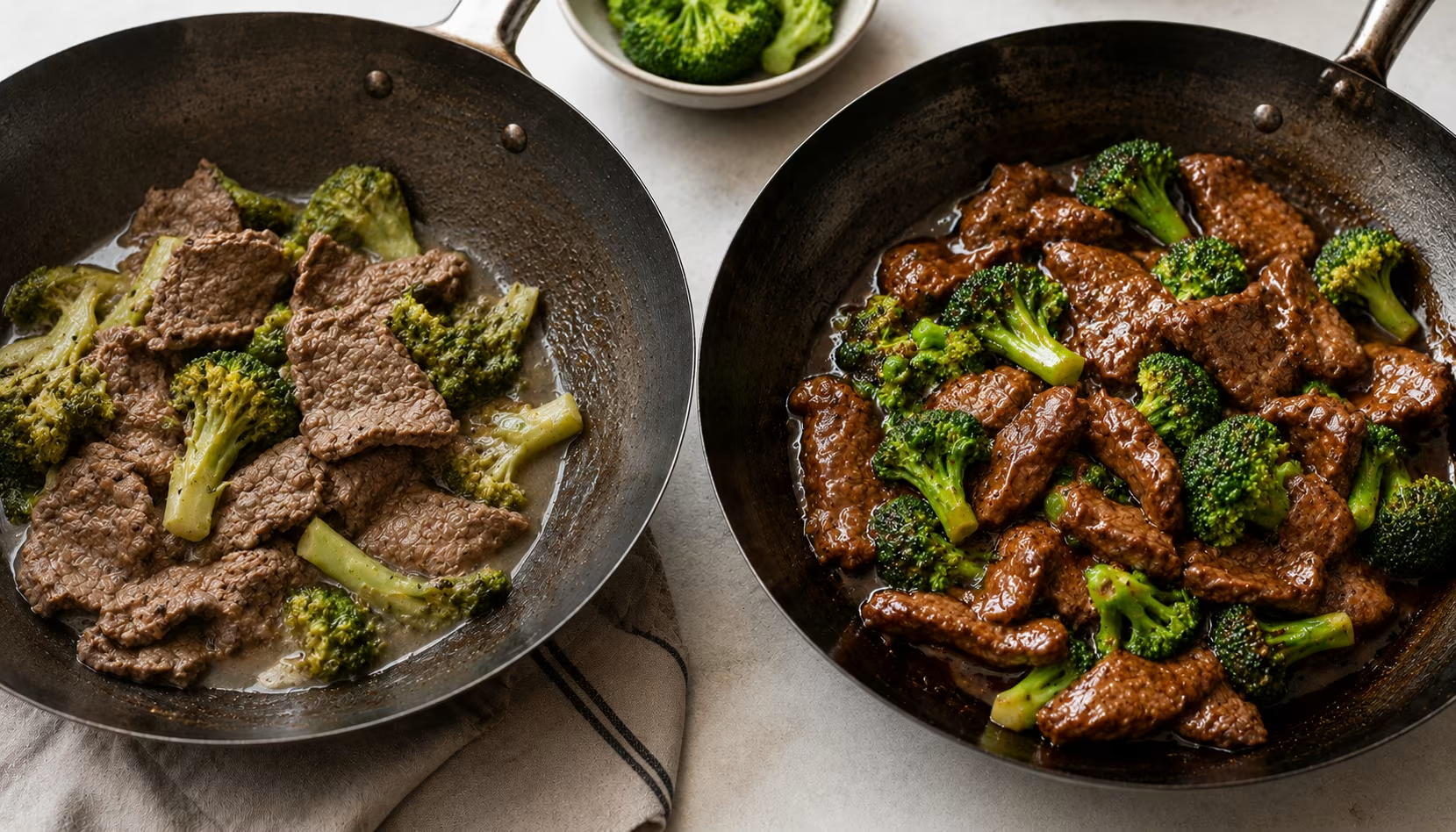
Don't just throw raw broccoli into the stir-fry and hope. Either blanch it briefly first or steam it in the pan with a splash of water, so it turns crisp-tender and vivid green rather than either raw and tough or overcooked and drab.
The fast restaurant method add the broccoli to the hot pan, toss for a minute, then add a splash of water and immediately cover for a minute or two. The trapped steam cooks the broccoli through to crisp-tender quickly while the brief high heat keeps its color bright. Then uncover, let any water cook off, and the broccoli is ready to meet the beef and sauce. Alternatively, blanch the florets in boiling water for 60 to 90 seconds and shock them in cold water before stir-frying: this sets the bright green and guarantees even doneness.
The science broccoli's vivid green comes from chlorophyll, which intensifies briefly with heat but turns army-drab if overcooked. Quick, hot cooking preserves the color and gives you that snappy crisp-tender bite, where long simmering makes it soft, gray, and sulfurous. Cut the florets into even, bite-size pieces so they cook at the same rate.
Why does the pan need to be screaming hot?
Because stir-frying is about fast, high-heat cooking that sears and caramelizes rather than steams: the wok hei, or "breath of the wok," that defines great Chinese cooking comes from intense heat. A cool or crowded pan is the number-one reason home stir-fries come out steamed, gray, and watery.
Get your pan or wok as hot as it goes before anything touches it, and have every ingredient prepped and within arm's reach, because once you start, stir-frying moves fast. Cook in stages and don't crowd the pan: sear the beef in a single layer (in batches if needed) so it browns instead of stewing, remove it, cook the broccoli and aromatics, then return everything with the sauce to combine at the end. Crowding drops the pan temperature and floods it with released liquid, so instead of a quick sear you get a gray braise: the same crowding failure that ruins pad thai and every other stir-fry.
Keep everything moving once it's in the hot pan. The constant tossing exposes fresh surfaces to the heat and prevents burning, while the high temperature drives the browning and keeps the vegetables crisp. The whole cooking process, once you start, takes only a few minutes, which is why prep is everything.
What are the most common beef and broccoli mistakes?
- Skipping velveting. The reason home beef is chewy. Even just a cornstarch-soy coating helps; baking soda rescues tough cuts.
- Not rinsing off the baking soda. Leaves a soapy, metallic taste. Rinse until the water runs clear.
- Slicing with the grain. Makes the beef stringy and tough. Always slice thinly against the grain.
- Crowding the pan. Steams the beef gray instead of searing it. Cook in batches over high heat.
- Overcooking the broccoli. Turns it drab and soft. Cook it briefly to crisp-tender and bright green.
- Too much cornstarch. Makes a gluey, pasty sauce. Add the slurry gradually until just glossy.
Common beef and broccoli questions
What's the best cut of beef? Flank steak and skirt steak are classic: flavorful and affordable, and velveting handles their toughness. Sirloin or flat iron also work. Whatever you choose, slice it thin against the grain.
Can I make it gluten-free? Yes. Use tamari instead of soy sauce and a gluten-free oyster sauce (or a mushroom-based vegetarian oyster sauce). Cornstarch is naturally gluten-free, so the thickening is fine.
Do I really need oyster sauce? It's what gives the dish its distinctive savory-sweet depth. If you don't have it, a mix of extra soy sauce, a little hoisin, and a pinch of sugar approximates it, but oyster sauce is worth keeping on hand.
Can I use frozen broccoli? Fresh is much better for texture and color, but frozen works in a pinch: thaw and pat it very dry first so it doesn't flood the pan with water and steam everything.
Make it once with velveted beef and a hot pan and you'll stop ordering it out: the homemade version is fresher, cheaper, and genuinely more tender than most takeout, all in about 20 minutes.
How do you vary beef and broccoli and prep it ahead?
Once you've got the velveting and the sauce down, the formula flexes endlessly. Swap the broccoli for snap peas, bell peppers, broccolini, bok choy, or a mix; the only adjustment is matching cook times, since denser vegetables need a head start.
Swap the beef for chicken, pork, or even tofu: the velveting (or for tofu, a cornstarch coating and a good sear) keeps any protein tender and glossy. Add aromatics like a thumb of grated ginger, a spoonful of black bean sauce, or a hit of chili crisp to take the flavor in different directions.
The method stays identical; only the components move.
For meal prep, beef and broccoli is a strong candidate because the components hold and reheat well. Velvet and slice the beef, cut the broccoli, and mix the sauce ahead: stored separately, they come together in minutes when you're ready.
Cooked leftovers keep three or four days in the fridge and reheat best in a hot pan or wok rather than the microwave, which softens the broccoli. The sauce may thicken in the fridge as the cornstarch sets; loosen it with a splash of water or stock when reheating.
What's the best beef cut and sauce balance?
Flank and skirt steak are the classics: flavorful, affordable, and tender once velveted and sliced thin against the grain. Sirloin, flat iron, or even chuck (with a longer baking-soda treatment) also work. The key is always the thin, against-the-grain slicing, which shortens the muscle fibers so each bite is tender.
For the sauce, taste and adjust the balance: soy for salt, oyster sauce for savory-sweet depth, a little sugar to round it, and enough cornstarch slurry only to make it glossy and clinging, never gluey. If it's too salty, a touch more sugar and a splash of water balances it; if it's flat, a few drops of toasted sesame oil and a squeeze of nothing-but-savory oyster sauce deepens it. Build it to your own palate and it'll beat any takeout container.
Why is my sauce gluey instead of glossy? Too much cornstarch, or you added it all at once. Use a slurry, add it gradually as the sauce simmers, and stop the moment it's just thick enough to coat the food. A glossy glaze clings; a gluey one clumps.
Can I make it without a wok? Yes. A wide, heavy skillet works on a home stove, where a wok often can't get hot enough on a domestic burner anyway. The keys are high heat, not crowding the pan, and cooking in stages, regardless of the pan's shape.
How thin should I slice the beef? About a quarter-inch or thinner, always against the grain. Partially freezing the beef for 20 to 30 minutes firms it up and makes thin, even slicing much easier.
Is it healthier than takeout? Generally yes. You control the oil, salt, and sugar, skip the deep-frying and heavy cornstarch coating many restaurants use, and load up on fresh broccoli. It's also far cheaper per serving than delivery, which is part of the appeal of cooking it at home.
What's the fastest weeknight shortcut? Skip the full baking-soda velvet and just toss thin-sliced tender beef (like sirloin) with a little soy, oil, and cornstarch while the broccoli steams. You lose a touch of the deep-tenderizing effect but keep most of the glossy, restaurant-style texture in a fraction of the time.
Can I prep it the night before? Yes. Velvet and slice the beef, cut the broccoli into even florets, and mix the sauce, then store the three separately in the fridge.
The next evening, dinner is a five-minute, high-heat assembly. Front-loading the prep is exactly what makes a fast stir-fry feasible on a busy night.
 Save
Save



0 Comments
No comments yet — start the conversation below.