

Shrimp Scampi in 20 Minutes: The Classic That Only Needs Good Shrimp
A five-ingredient dish with nowhere to hide. Buy good shrimp, pull them at the C-curl, and balance the garlic-wine-butter-lemon sauce for a restaurant-grade plate.
Shrimp scampi is proof that a great dish can be almost embarrassingly simple: shrimp cooked fast in garlic, butter, white wine, and lemon, tossed with pasta or mopped up with bread. There's nowhere to hide in a five-ingredient dish, which is exactly why it lives or dies on two things: the quality of the shrimp and not overcooking them.
Nail those, balance the garlic-butter-wine-lemon sauce, and you have a restaurant-grade dinner in 20 minutes from a bag of frozen shrimp and a few pantry staples. Overcook the shrimp or skimp on the shrimp itself, and no amount of butter saves it.
This is the classic done right, with the same tender-shrimp discipline behind garlic butter shrimp applied to a brighter, wine-forward sauce. Here's the method and the handful of decisions that matter.
Why does shrimp quality matter so much here?
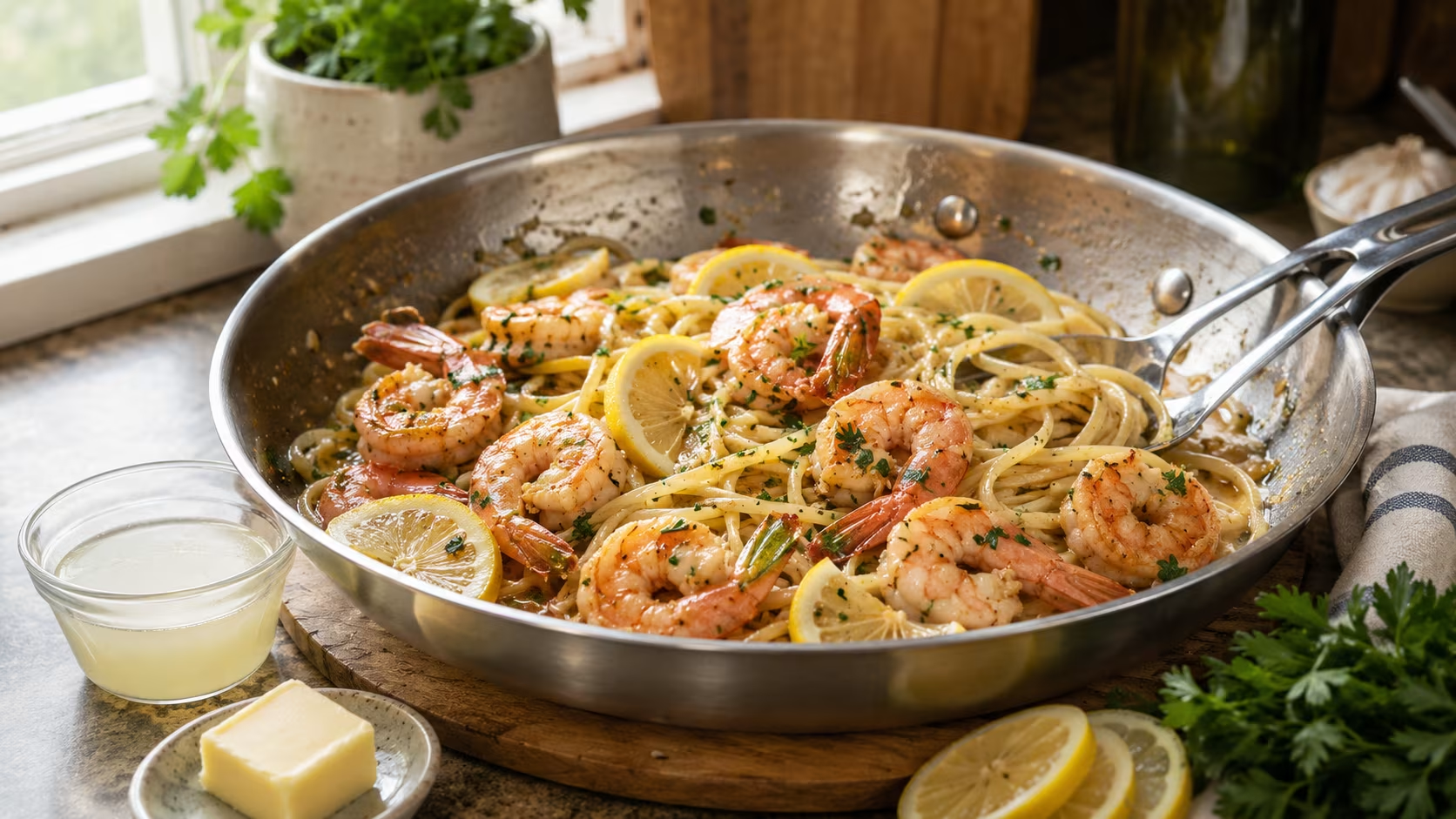
Because in a dish this simple, the shrimp is the dish: there's no heavy sauce, no breading, no long braise to mask mediocre seafood. The sweet, briny flavor and snappy texture of good shrimp is the whole point, so this is the dish where it pays to buy well.
Look for shrimp labeled by count: 16/20 or 21/25 per pound is the sweet spot, large enough to stay juicy through a quick cook and substantial on the fork. Wild-caught shrimp (Gulf or American) generally have better flavor and texture than commodity farmed shrimp, though good farmed shrimp work fine. Most "fresh" shrimp at the counter was frozen and thawed anyway, so buying frozen and thawing it yourself often gets you fresher product: thaw it overnight in the fridge or under cold running water, never warm.
Buy them peeled and deveined to save time, or peel them yourself and save the shells in the freezer for a quick stock. Most importantly, pat the shrimp completely dry before cooking: surface water prevents browning and makes them steam instead of sear, the same dry-surface rule behind a great garlic butter shrimp. Dry shrimp pick up a little color and stay snappy.
How do you keep the shrimp from turning rubbery?
Cook them hot and fast, and pull them the moment they curl into a C and turn opaque, usually 90 seconds to 2 minutes per side. Shrimp is lean protein with no fat to buffer it, so it goes from tender to rubbery in well under a minute of overcooking.
Watch the shape. A raw shrimp lies almost straight; as it cooks it relaxes into a loose C; cook it too far and it clenches into a tight O, by which point it's overcooked and chewy.
Cook to the C, not the O. If you want a number, pull them around 120°F internal for tender, just-opaque shrimp (the USDA safe minimum is 145°F or "opaque and pearly"; cook to that if serving anyone vulnerable).
They keep cooking from residual heat after they leave the pan, so err on the side of pulling early.
The practical move: cook the shrimp first in the garlic butter just until they curl and turn pink, then remove them from the pan while you build the sauce. This prevents them from overcooking while the wine reduces.
You return them at the very end, just to warm through and coat: never let them sit and simmer in the sauce, which guarantees rubbery results. Don't crowd the pan either; too many shrimp at once dump water and steam.
Cook in two batches if needed.
How do you build the scampi sauce?
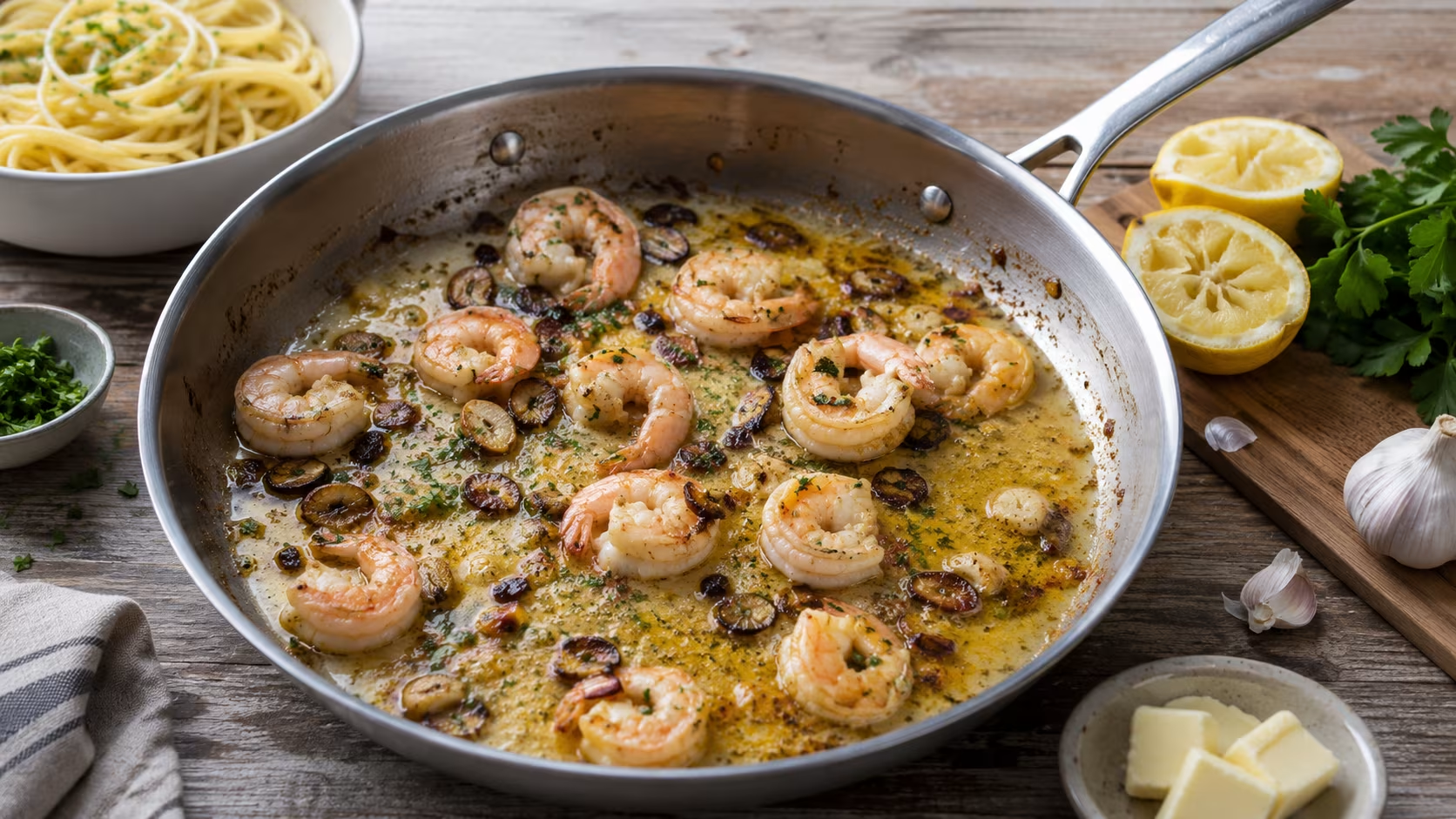
Four components, layered in order: garlic bloomed in butter and oil, white wine reduced, lemon, and a final swirl of butter. The balance is bright, garlicky, and rich without being heavy.
Start by gently cooking minced (or sliced) garlic and a pinch of red pepper flakes in a mix of butter and olive oil over medium heat, just until fragrant and barely golden, about a minute. The olive oil raises the smoke point so the butter doesn't burn, and the garlic must not brown or it turns bitter.
Cook the shrimp in this, then remove them. Deglaze with a good splash of dry white wine, scraping up any browned bits, and let it reduce by half to cook off the raw alcohol and concentrate the flavor.
Add fresh lemon juice, then finish the sauce off the heat with another knob of cold butter swirled in for gloss and body.
The wine and lemon provide acidity that cuts the richness of the butter, so the sauce is bright rather than cloying; the butter rounds out and carries everything. Taste and balance: more lemon if it's flat, more butter if it's too sharp.
Toss the shrimp back in with chopped parsley, coat, and serve immediately. If you're serving it over pasta, reserve some starchy pasta water and toss it in to help the sauce emulsify and cling, the same starch trick that makes aglio e olio silky.
How do you make shrimp scampi, step by step?
If serving over pasta, get salted water boiling and start the pasta so it's ready when the shrimp are. Pat a pound of peeled, deveined shrimp completely dry and season with salt and pepper.
In a large skillet over medium heat, melt two tablespoons of butter with a tablespoon of olive oil. Add four to six minced garlic cloves and a pinch of red pepper flakes; cook 60 seconds until fragrant.
Raise the heat, add the shrimp in a single layer, and cook 90 seconds per side until they curl into a C and turn opaque. Remove the shrimp to a plate.
Pour in half a cup of dry white wine and reduce by half, then add the juice of half a lemon. Off the heat, swirl in two more tablespoons of cold butter.
Return the shrimp and their juices, add chopped parsley, toss to coat, and serve over pasta or with crusty bread, adding a splash of pasta water if tossing with noodles.
What should you serve with shrimp scampi?
The classic vehicle is linguine or spaghetti, tossed in the sauce with a little pasta water so every strand is coated. Crusty bread is essential either way, for mopping up the garlic-wine-butter sauce.
For a lighter, lower-carb plate, serve the shrimp and sauce over zucchini noodles, sautéed spinach, or simply on their own with bread. A crisp green salad balances the richness.
To drink, pour the same dry white you cooked with (a Pinot Grigio, Sauvignon Blanc, or unoaked white) whose acidity mirrors the lemon and wine in the sauce.
Common shrimp scampi questions
What does "scampi" actually mean? In Italy, scampi are langoustines (a small lobster-like crustacean). In American Italian cooking, "shrimp scampi" came to mean shrimp prepared in the garlic-butter-wine style that was originally used for those langoustines, so the name is a bit of a delicious redundancy.
Can I make it without wine? Yes. Replace the white wine with chicken or seafood stock plus an extra squeeze of lemon or a splash of white wine vinegar for the acidity. The sauce is slightly less complex but still bright and good.
Should I use fresh or frozen shrimp? Frozen, thawed at home, is usually fresher than the thawed "fresh" shrimp at the counter. Just thaw it properly (fridge overnight or under cold water) and pat it bone dry before cooking.
Why did my shrimp turn rubbery? They overcooked. Pull them at the C-curl, cook them first and set them aside while the sauce reduces, and return them only at the end to warm through: never simmer them in the sauce.
Make it once and you'll see why scampi endures: it's fast, it's mostly pantry, and it tastes far more impressive than the effort it takes. Buy good shrimp, don't overcook them, balance the sauce, and you've got a 20-minute dinner worthy of company.
How do you serve scampi over pasta?
Tossing scampi with pasta is the most popular way to serve it, and the trick is to treat it like any good pasta dish: finish the noodles in the sauce, using starchy pasta water to bind everything. Cook linguine or spaghetti to just shy of al dente, reserve a cup of the starchy cooking water, and add the drained pasta to the pan with the finished sauce and shrimp.
Toss over the heat, adding splashes of pasta water, until the sauce emulsifies into a glossy coating that clings to every strand: the same starch-and-oil emulsion that makes aglio e olio silky. The pasta should drink up the garlic-wine-butter sauce rather than sit in a puddle of it.
To keep the shrimp from overcooking in this version, add them back only at the very end, after the pasta is dressed, just to warm through. A finishing handful of chopped parsley and, if you like, a little lemon zest brightens the whole bowl.
Can you make shrimp scampi ahead, and how do you store it?
Scampi is a last-minute dish at heart: shrimp overcook on reheating, so it's best eaten fresh. But you can prep almost everything in advance: peel and devein the shrimp, mince the garlic, juice the lemon, and measure the wine, so the actual cooking is a five-minute sprint. That makes scampi a great fast dinner for guests, since the work is front-loaded and the cooking is quick once everyone's seated.
For leftovers, store cooked scampi airtight in the fridge for up to two days. Reheat very gently and briefly: a low burner just until barely warmed, or even fold the cold shrimp into freshly warmed pasta off the heat, because any real reheat overcooks already-cooked shrimp into rubber.
Cold scampi shrimp are also good tossed into a salad. Freezing cooked shrimp is possible but turns them spongy, so it's better to freeze raw shrimp and cook to order.
The sauce itself reheats fine; consider warming it separately and adding the shrimp at the end.
What are the most common scampi mistakes?
- Overcooking the shrimp. The biggest one. Cook to the C-curl, set them aside while the sauce reduces, and return them only to warm through.
- Cheap or tiny shrimp. In a dish this simple, the shrimp is everything: buy good 16/20 or 21/25 count.
- Wet shrimp. Pat them bone dry so they sear instead of steam.
- Burning the garlic. Bloom it gently in butter and oil; browned garlic turns the sauce bitter.
- Skipping the reduction. A thin, boozy sauce means the wine wasn't reduced. Let it bubble down before finishing with butter.
What are good variations?
Scampi is a flexible template once you've got the garlic-wine-butter-lemon base. Add a pinch more red pepper flakes for a spicier fra diavolo lean, or a splash of cream at the end for a richer, restaurant-style sauce.
Toss in halved cherry tomatoes that burst as they warm, or a handful of baby spinach wilted into the sauce, to add vegetables. Swap the shrimp for scallops or a mix of seafood, treating each with the same don't-overcook discipline.
And while linguine is classic, the sauce is just as good over angel hair, with crusty bread, or spooned over polenta or rice.
Can I scale it up for a dinner party? Yes. Cook the shrimp in batches so the pan stays hot and they sear rather than steam, hold them aside, then build one larger batch of sauce and toss everything together at the end. Front-load the peeling, mincing, and measuring, and the cooking is a quick final sprint while guests are seated.
What's the ideal shrimp size? Larger shrimp (16/20 or 21/25 per pound) are best: they stay juicy through the quick cook and feel substantial. Smaller shrimp overcook in seconds and get lost in the pasta, so size up when you can.
Bottom line
Good shrimp, pulled at the C-curl, in a properly reduced garlic-wine-butter sauce, makes a 20-minute dinner that tastes like far more effort than it takes, the rare five-ingredient dish worthy of company.
 Save
Save
0 Comments
No comments yet — start the conversation below.