
15-Minute Sheet-Pan Gnocchi with Cherry Tomatoes and Feta: A Weeknight Recipe That Feels Like a Restaurant
Skip the pot of water. Roasted straight from the package, gnocchi turn crisp outside and pillowy inside while the cherry tomatoes melt into a built-in sauce and the feta browns.
The trick behind 15-minute sheet-pan gnocchi with cherry tomatoes and feta is that you skip the step everyone assumes is mandatory: boiling the gnocchi. Shelf-stable potato gnocchi don't need a pot of water first.
Tossed straight onto a hot sheet pan with olive oil, they roast into little pillows that are crisp and golden outside, soft and chewy inside: a far better texture than the soft, slippery boiled version. Fifteen minutes of that is hands-on work; the oven does the rest while you do nothing.
One pan, no boiling, no babysitting, and a result that genuinely eats like something off a restaurant's wood-fired menu.
This is the dish to reach for on the night you have no plan and no energy. Everything goes on one tray, the cherry tomatoes burst into a built-in sauce, and the feta browns into salty, caramelized pockets. Below is the method, the food science that makes roasting beat boiling, the crowding mistake that ruins it, and the swaps that keep it from getting old.
Do you really not boil the gnocchi first?
Correct, and skipping the boil is what makes this dish work, not a shortcut that compromises it. Vacuum-packed, shelf-stable potato gnocchi are already cooked enough to be edible; the package instructions to boil them are one valid path, not the only one. Roasting is the better path here for a specific textural reason.
When you boil gnocchi, water surrounds every surface and the exterior stays soft and gummy. When you roast them in oil on a hot pan, the surface dehydrates and browns through the Maillard reaction, building a thin crisp shell while the inside steams soft from its own moisture.
You get contrast, crunch giving way to pillow, that boiling physically cannot produce. It's the same reason roasted potatoes beat boiled ones.
The one caveat is which gnocchi to buy. The standard shelf-stable vacuum packs (the kind that live on the dry-goods aisle, not the refrigerated or frozen case) roast best.
Very soft fresh gnocchi can break down, and frozen ones release more water. Reach for the firm, dense, shelf-stable kind, and don't thaw or pre-cook anything.
Why does roasting give better texture than boiling?
Two mechanisms do the work, and understanding them tells you how to nudge the dish hotter or crispier.
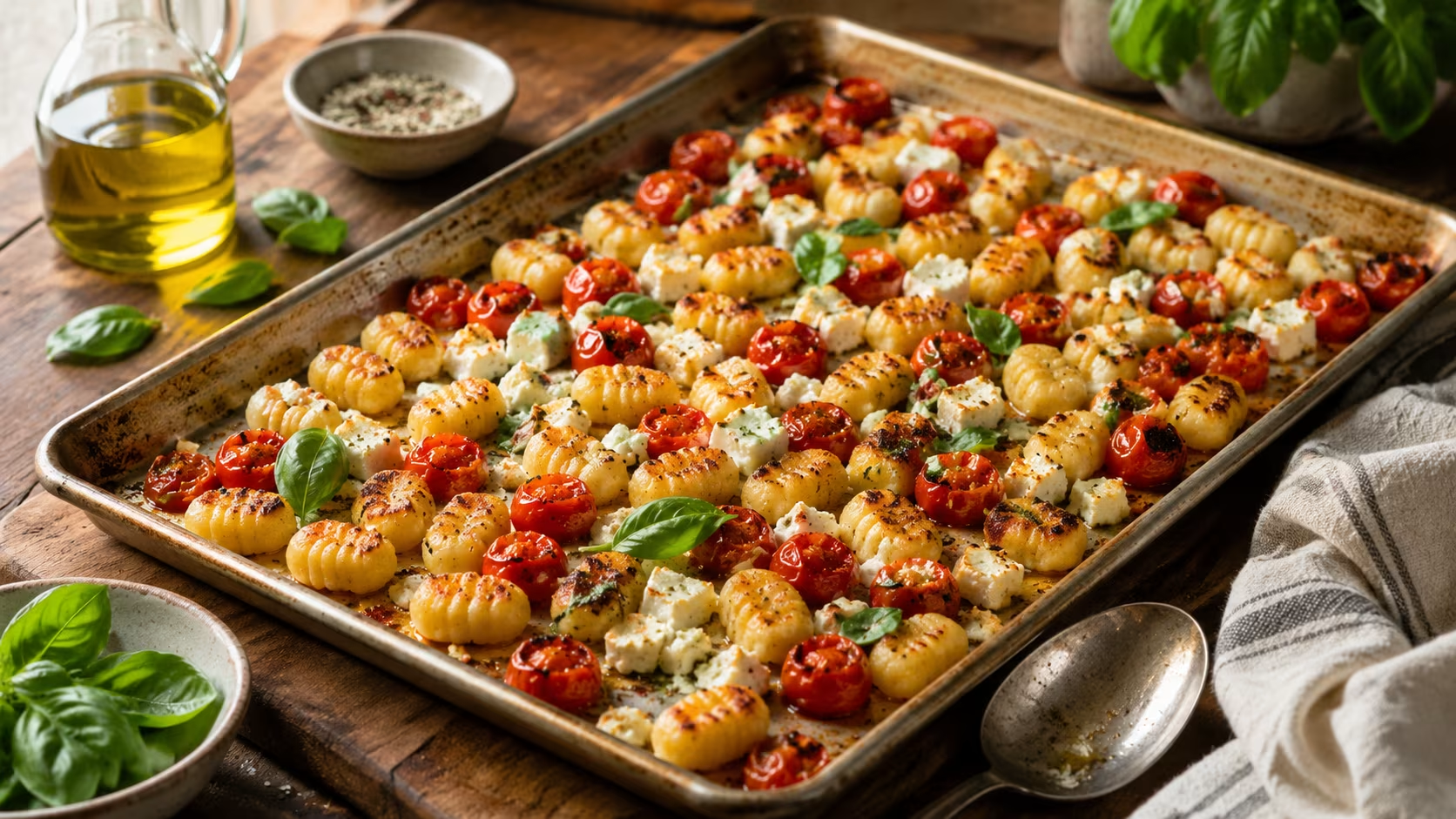
The first is moisture removal and browning. On a 450°F pan, the oil-coated surface of each gnocco loses its surface water fast, climbs past the boiling point, and begins to brown. Browning isn't just color: it's hundreds of new roasted, nutty flavor compounds forming on the crust that simply don't exist in a boiled dumpling. The high heat is essential; below about 425°F the gnocchi dry out and toughen without crisping, so don't be tempted to lower the oven.
The second is the cherry tomatoes turning into sauce. As they roast, the tomatoes' skins tighten and split, and they release their juices onto the pan, where that liquid concentrates and lightly coats the gnocchi and vegetables. You're not making a separate sauce; the tray makes its own.
This is why cherry or grape tomatoes are non-negotiable here: their high sugar and juice content, concentrated by roasting, become the dish's backbone. Larger tomatoes hold too much water and steam instead.
The feta, added partway through, browns at its edges and softens without fully melting, leaving salty, tangy pockets that punctuate every few bites. Block feta broken into large chunks does this; the pre-crumbled kind, coated in anti-caking starch, tends to dry out rather than caramelize.
How do you make it, step by step?
The active work really is about fifteen minutes; the rest is oven time you spend elsewhere.
Heat the oven to 450°F and let it come fully up to temperature: a properly preheated pan is what kicks off the crisping the instant the gnocchi land. Line a large rimmed sheet pan with parchment for easy cleanup.
In a big bowl, toss the gnocchi with cherry tomatoes, a thinly sliced shallot or red onion, smashed garlic cloves, a generous three tablespoons of olive oil, salt, pepper, dried oregano, and a pinch of red pepper flakes. Coat everything well: the oil is both the crisping agent and the flavor carrier. Spread it all onto the sheet pan in a single, uncrowded layer.
Roast for 10 minutes, then pull the pan and stir, scraping up any gnocchi starting to stick and color. Scatter large chunks of feta over the top, and add a handful of something green if you like: broccolini, baby spinach, or torn kale.
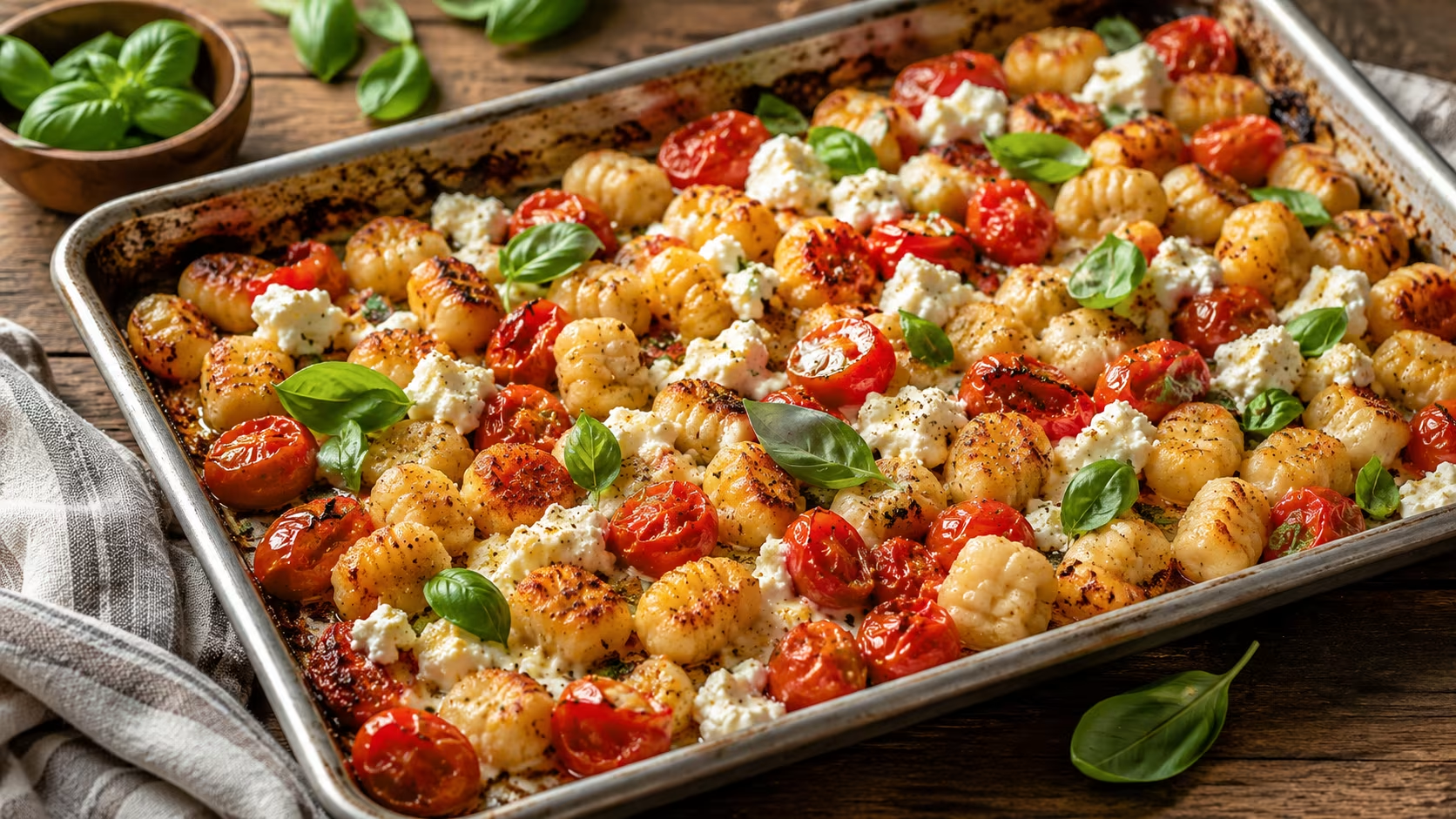
Return the pan and roast another 15 to 20 minutes, until the gnocchi are deeply golden and crisp at the edges, the tomatoes have collapsed into a loose sauce, and the feta is browned. Finish with fresh basil, a squeeze of lemon, and a final drizzle of good olive oil off the heat.
That last raw drizzle matters: roasting cooks off an oil's brightness, so a finishing pour of fresh extra-virgin oil (the kind worth buying carefully) adds the fruity, peppery top note that makes the dish taste finished rather than merely cooked.
What's the one mistake that ruins it?
Crowding the pan. This is the single error that turns a great version into a mediocre one, and the mechanism is unforgiving.
Everything on the tray (gnocchi, tomatoes, vegetables) gives off moisture as it heats. If the ingredients are packed tight or piled up, that moisture has nowhere to go.
It pools, the temperature at the surface stalls at the boiling point of water, and instead of roasting and crisping, everything steams. Steamed gnocchi are soft and pale; steamed tomatoes go watery instead of jammy; the feta weeps instead of browning. You end up with a damp, bland tray.
The fix is space. Use a pan big enough that every piece has room around it, and use two pans if you're doubling the recipe rather than mounding one.
The ingredients should be in a single layer with visible gaps, not a heap. If your only sheet pan is small, cook in two batches; the extra ten minutes buys you the entire difference between this dish working and not.
A related fix is the mid-roast stir. Pulling the pan at the 10-minute mark to toss everything exposes new surfaces to the hot pan and redistributes the gnocchi that were starting to stick, so the browning is even rather than blotchy.
How do you get the gnocchi extra crispy?
If your gnocchi come out soft rather than crisp, a few adjustments push them toward the deep golden crunch that makes the dish. Each targets the same goal: more dry, hot surface contact.
Preheat the sheet pan itself. Slide the empty oiled pan into the oven as it heats, then add the tossed gnocchi to the already-screaming surface: the instant contact starts crisping immediately instead of waiting for a cold pan to catch up.
Use enough oil; gnocchi need a real coating to fry-roast rather than dry out, so three tablespoons for a standard package isn't excessive. And give them room: the single-layer, uncrowded rule is doubly important when crispness is the priority, because any steam from crowded neighbors softens the crust.
For maximum crunch, finish under the broiler for the last two or three minutes, watching closely. The broiler's direct top heat blisters the gnocchi and feta surfaces fast, adding color and crackle.
Just don't walk away: the line between perfectly browned and burnt is about ninety seconds under a broiler. An air fryer, if you have one, does this beautifully too: it's essentially a small convection oven, and its moving hot air crisps gnocchi exceptionally well in a single batch.
Can you make it vegan or dairy-free?
The dish adapts to dairy-free eating without losing its character, since the gnocchi and roasted vegetables already carry most of the appeal and only the feta needs rethinking. Most shelf-stable potato gnocchi are already egg- and dairy-free, but check the label, as some brands add cheese or egg.
For the feta, you have two good routes. Use a store-bought vegan feta (several brands now brown and soften acceptably on a hot pan) or skip the cheese entirely and replace its salty, tangy role with other ingredients.
A scatter of capers or chopped olives delivers the briny punch; a squeeze of lemon and a drizzle of good olive oil at the end restore the brightness; and a handful of toasted pine nuts or a sprinkle of nutritional yeast adds the savory depth the cheese provided. Add white beans or chickpeas to keep it a satisfying main, and you have a fully plant-based version that doesn't read as a compromise.
The roasting method, the no-boil trick, and the burst-tomato sauce all stay exactly the same.
What should you serve with it, and can you make it ahead?
The dish is nearly a complete meal (starch, vegetables, and a salty protein-ish cheese in one pan), so it needs little alongside it. A simple green salad with a sharp vinaigrette cuts the richness and adds freshness; crusty bread mops up the tomato sauce on the pan. A glass of crisp, dry white or a light red like a chilled Italian rosso rounds it out.
Make-ahead is limited by design, since the whole appeal is the just-roasted crisp texture that fades as the gnocchi sit and soften. You can prep ahead by tossing the gnocchi, tomatoes, and aromatics with oil and refrigerating the bowl, then spreading and roasting at dinnertime, which splits the fifteen minutes of work off from the meal.
Leftovers keep a day in the fridge and are best revived in a hot oven or air fryer for a few minutes to re-crisp, never the microwave, which steams them soft again. Make it once on a tired Tuesday and it'll earn a permanent spot in the rotation: the rare one-pan dinner that delivers restaurant texture for almost no effort.
Common questions about sheet-pan gnocchi
Can I use refrigerated or frozen gnocchi? Shelf-stable vacuum-packed gnocchi roast best. Frozen ones release more water and can steam; if that's all you have, roast from frozen on a hot preheated pan and expect slightly less crisp. Soft fresh gnocchi tend to break down.
Why did my gnocchi turn out soft instead of crisp? Almost always crowding or too low an oven. Spread everything in a single layer with gaps, roast at a full 450F, and preheat the pan. Crowded gnocchi steam in their own moisture instead of browning.
Can I add protein to make it a full meal? Yes: sliced cooked sausage, white beans, or chickpeas all roast alongside the gnocchi. Beans and chickpeas crisp up and add plant protein without changing the method at all.
What can I use instead of feta? Halloumi cubes stay firm and crisp, fresh mozzarella melts into creamy pools, and a vegan feta browns acceptably. To skip cheese entirely, lean on olives, capers, and a finishing drizzle of olive oil for the salty, tangy note.
How do I store and reheat leftovers? Keep them airtight in the fridge for a day. Re-crisp in a hot oven or air fryer for a few minutes; the microwave just steams them soft again. They won't be quite as crisp as fresh, but close.
What sides go with it? It's nearly a full meal on its own, so keep sides simple: a sharp green salad to cut the richness and crusty bread to mop up the tomato sauce. A crisp dry white or a light chilled red rounds it out without competing.
Make it once on a hectic weeknight and the no-boil, one-pan simplicity will sell you on it: the kind of dinner that feels far more impressive than the fifteen minutes of real work it asks for.
 Save
Save
0 Comments
No comments yet — start the conversation below.