

Aglio e Olio in 15 Minutes: The Midnight Pasta Romans Actually Make
Five ingredients, two techniques. Slice the garlic and infuse it gently, then emulsify starchy pasta water into the oil for a silky sauce that needs no cream at all.
Aglio e olio (spaghetti with garlic and olive oil) is the dish that proves technique beats ingredient count. Five things: spaghetti, garlic, good olive oil, chili flakes, parsley.
No cream, no butter, no cheese in the traditional version. And yet a well-made plate is silky, glossy, and deeply savory, while a careless one is a dry, harsh, garlic-scented pile of noodles.
The entire difference lives in two techniques: how you treat the garlic, and how you build an emulsion from starchy pasta water and oil. Get those right and you have a real Italian dinner in 15 minutes, the kind Romans actually throw together late at night.
This is aglio, olio e peperoncino done properly: the version where the sauce clings to every strand because you made it cling, not because you poured cream into it. Here's the method and the why behind each step.
Why does the garlic technique make or break it?
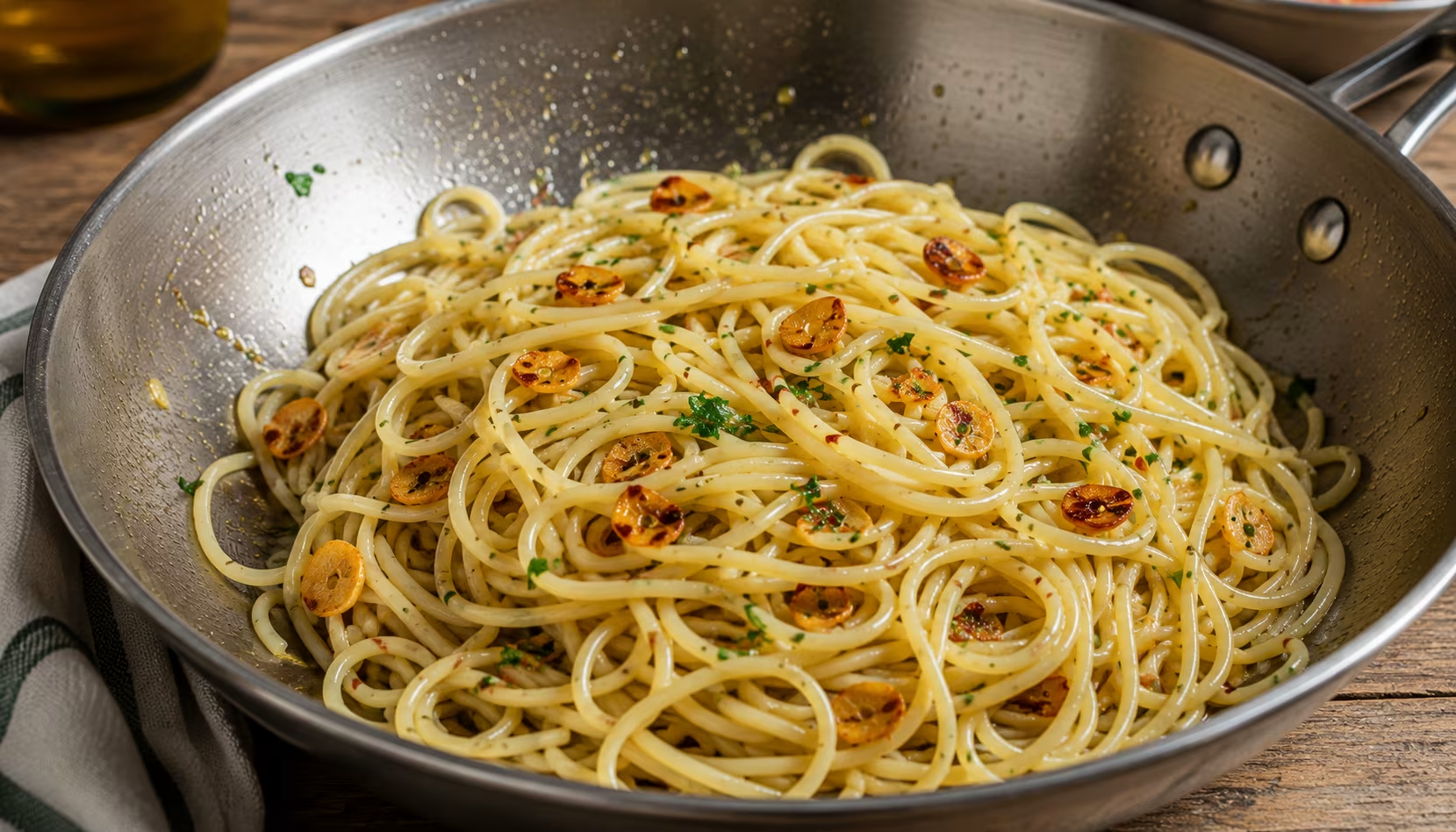
Because garlic goes from sweet and nutty to acrid and bitter in seconds, and burnt garlic ruins the whole dish. The fix is to slice it, not mince it, and to infuse it into the oil gently over low heat.
Slice the garlic thin rather than mincing. Thin slices release their flavor gradually into the oil and have far more surface area exposed evenly, so they cook to a uniform pale gold without scorching.
Minced garlic, with its tiny ragged pieces, burns almost instantly and turns harsh and bitter. Some cooks even slice it paper-thin, the famous Goodfellas razor-blade move.
Warm a generous amount of good extra-virgin olive oil in a cold pan with the sliced garlic and the chili flakes, over low to medium-low heat. You're not frying the garlic; you're infusing the oil.
Cook it gently for 5 to 7 minutes until the slices are blonde, shiny, and fragrant, not brown. The moment garlic browns it's on its way to bitter, so pull the heat the instant it turns the palest gold.
This slow infusion flavors the whole quantity of oil, which is what carries the dish, since the oil is the sauce.
The chili flakes (peperoncino) bloom in the warm oil at the same time, releasing their heat and color into the fat. Add them with the garlic, not at the end, so their flavor infuses rather than sitting raw on top.
What's the secret to a silky sauce with no cream?
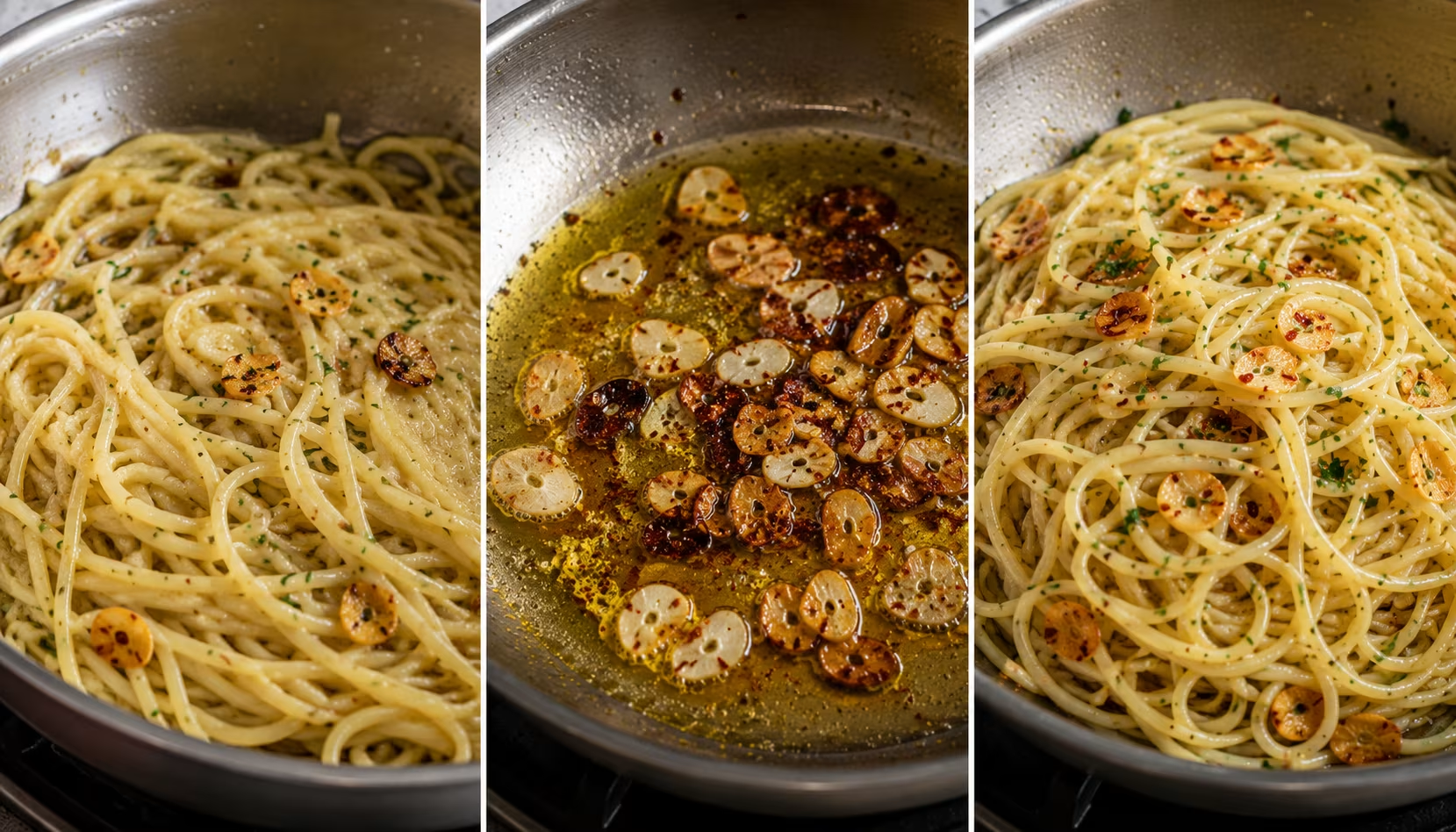
Starch. The silkiness of aglio e olio comes from emulsifying starchy pasta water into the olive oil, the same trick behind cacio e pepe and carbonara, and it requires no dairy at all. This is the technique that separates a glossy restaurant plate from oily, separated noodles.
Here's the mechanism. Pasta cooking water is loaded with starch released by the spaghetti.
Starch is an emulsifier: whisked vigorously with oil and water, it binds the two into a stable, creamy emulsion instead of letting them separate into a greasy slick. So you reserve a cup of that cloudy, starchy water before draining, then use it to build the sauce.
Cook the spaghetti in well-salted water (it should taste like the sea; this is your only chance to season the pasta itself) and pull it about a minute before al dente, because it finishes cooking in the pan. Transfer the drained pasta directly into the pan with the garlic oil, add a good splash of the reserved starchy water, and then toss vigorously over the heat.
The vigorous tossing and the starch together emulsify the oil and water into a glossy sauce that coats every strand. Add more pasta water a splash at a time until the sauce is silky and clinging, not dry and not soupy.
Never rinse the pasta: rinsing washes away the very starch that makes the sauce work.
How do you make aglio e olio, step by step?
The whole thing is choreographed around the pasta finishing in the pan, so have everything ready before you start.
Bring a large pot of well-salted water to a boil and add the spaghetti. While it cooks, slice the garlic thin and start it with the chili flakes in plenty of olive oil in a wide pan over low heat, infusing gently to pale gold over about 5 to 7 minutes. Reserve a cup of pasta water, then drain the spaghetti a minute shy of al dente.
Add the pasta to the pan of garlic oil along with a splash of the reserved water. Toss hard and continuously over medium heat, adding more pasta water as needed, until a glossy emulsified sauce forms and coats the noodles, about a minute.
Off the heat, fold in chopped fresh parsley and, if you like, a little more raw olive oil for fragrance. Taste and adjust salt.
Serve immediately, while it's hot and glossy; aglio e olio waits for no one and stiffens as it cools.
A note on quantities: this is a dish where the olive oil matters, since it's most of the flavor. Use a good extra-virgin oil (the kind worth choosing carefully) and don't be stingy, but don't drown it either; the pasta water emulsion is what gives volume, not just more oil.
Should aglio e olio have cheese?
Traditionally, no. Authentic spaghetti aglio e olio contains just garlic, oil, chili, and parsley: no cheese, no cream, no butter.
The silkiness comes entirely from the starchy-water emulsion. In much of Italy, adding cheese to this particular dish is considered unnecessary, even slightly wrong, because the dish is meant to showcase good oil and properly handled garlic.
That said, this is your kitchen. A light grating of Pecorino Romano or Parmigiano-Reggiano off the heat is a common variation outside strict tradition, and it does add a salty, savory note.
If you add cheese, do it off the heat and with a little pasta water, or the cheese can clump and seize against the hot oil. Toasted breadcrumbs (pangrattato) are a more traditional textural addition, adding crunch and a nutty toastiness without breaking from the dish's spirit.
The honest answer: make it without cheese first, the traditional way, and taste how complete it is. Then decide whether you want to add anything at all.
What are the most common mistakes?
- Burning the garlic. The cardinal sin. Slice it thin, keep the heat low, and pull it at pale gold: brown garlic is bitter garlic.
- Mincing instead of slicing. Minced garlic burns in seconds and cooks unevenly.
- Not reserving pasta water. Without the starchy water there's no emulsion, just oily noodles. Reserve a cup before draining.
- Rinsing the pasta. Washes off the surface starch that makes the sauce silky.
- Not tossing enough. The emulsion forms through vigorous tossing; gentle stirring leaves the oil and water separate.
- Under-salting the pasta water. It's your only chance to season the noodles from within.
What goes with it, and when do you eat it?
Aglio e olio is traditionally a spaghettata di mezzanotte, a midnight spaghetti thrown together after a night out from whatever's always in the kitchen. It needs nothing alongside it, which is the point: it's the dish you make when the cupboard looks bare, drawing on the kind of staples a well-built pantry always has. A simple green salad and a glass of crisp white or light red rounds it into a light meal.
Common aglio e olio questions
Can I use pre-minced jarred garlic? Not for this: fresh garlic, thinly sliced, is essential. Jarred garlic is harsh and burns unevenly, and in a dish this minimal there's nowhere for it to hide.
My sauce came out oily and separated. What happened? You didn't emulsify it.
Add a splash of starchy pasta water and toss hard over the heat until the oil and water bind into a glossy sauce. Too little tossing or no starchy water leaves them separate.
What pasta shape is best? Spaghetti is traditional; spaghettini or linguine also work. Long, thin strands hold the oily-starchy sauce best. Short shapes work in a pinch but it's not the classic.
How much garlic is right? Generous: this is a garlic dish. Four to six cloves for a pound of pasta is normal. Sliced thin and gently infused, even a lot of garlic stays mellow and sweet rather than aggressive.
Make it once, paying attention to the pale-gold garlic and the vigorous tossing, and you'll have a 15-minute dinner in your back pocket forever, proof that five humble ingredients, handled with care, beat a long shopping list.
How do you vary and scale aglio e olio?
Because the base is so minimal, aglio e olio is really a template, and a few classic additions take it in different directions without breaking its spirit. The most traditional is anchovies: melt one or two fillets into the warm garlic oil at the start, where they dissolve completely and add a deep, savory umami with no fishy taste; most people can't identify what's making the dish taste so good. Toasted breadcrumbs (pangrattato), scattered on at the end, add a nutty crunch that's a genuine Southern Italian tradition, sometimes called "poor man's Parmesan." A handful of shrimp seared in the oil turns it into a light main; lemon zest brightens it; and adjusting the chili flakes lets you dial the heat from a whisper to a real kick.
What unites the good variations is that they reinforce the dish's character (savory, garlicky, oil-forward) rather than masking it with cream or heavy cheese. Add anchovy, breadcrumbs, or extra chili; be cautious with anything that turns it into a different dish.
Scaling aglio e olio for a crowd is where the technique gets harder, because the starchy-water emulsion is trickier in large volumes. The fixes: cook the pasta in a big enough pot of well-salted water that it has room to release its starch, and reserve more pasta water than you think you'll need.
Work in a wide pan or two so the pasta has surface area to toss against: a deep, crowded pot won't let you toss vigorously enough to emulsify. If you're cooking for many, it's often better to make two normal-sized batches back to back than one giant one, because the emulsion and the al dente timing are both easier to control at scale you can actually toss.
Serve each batch the moment it's glossy; aglio e olio stiffens as it sits, so it's the last thing you make before everyone sits down.
Is aglio e olio actually a complete meal? On its own it's a light dinner or a generous side; Italians often eat it exactly that way, especially late at night. Add a green salad, or fold in anchovies, shrimp, or toasted breadcrumbs to make it more substantial. Its whole charm is being satisfying from almost nothing.
Why is this the ultimate pantry pasta? Because every ingredient is shelf-stable and almost always on hand (dried spaghetti, garlic, olive oil, chili flakes), it's the dish you can make with an empty fridge. There's no shopping trip, no perishable ingredient, and no excuse not to eat well on the barest night. Master the garlic and the emulsion, and you've got a real dinner from a cupboard that looks empty.
Does the pasta and oil quality matter?
In a dish with five ingredients, yes: there's nowhere for mediocre ingredients to hide. The olive oil is most of the flavor, so use a genuine extra-virgin oil with character, not a flat, anonymous one; this is a dish worth opening your good bottle for.
For pasta, a bronze-die-cut dried spaghetti has a rougher surface that grips the emulsified sauce far better than slick, Teflon-extruded supermarket pasta. Neither needs to be expensive, but both reward a small step up.
The whole point of aglio e olio is that simple, good ingredients handled with care beat a long list handled carelessly, so let the few things you do use be good ones.
 Save
Save
0 Comments
No comments yet — start the conversation below.