

Pad Thai from Scratch in 20 Minutes: The Real Version Without the Jarred Sauce
Real pad thai is a three-ingredient sauce and one noodle trick. Skip the jarred sauce, soak the noodles instead of boiling, and cook fast for a better-than-takeout plate.
Real pad thai from scratch is built on a three-ingredient sauce (tamarind, fish sauce, and palm sugar), and that trinity is the entire reason the homemade version tastes nothing like the gloopy, ketchup-red, oversweet takeout most people know. Balanced right, the sauce is simultaneously sour, salty, and sweet, with a deep funk from the fish sauce that no jarred bottle captures.
The other half of the dish is technique: soaking the rice noodles instead of boiling them, and cooking fast over high heat so the noodles stay chewy and separate instead of turning to mush. Get the sauce and the heat right and you have a genuinely better-than-restaurant plate in about 20 minutes.
This is the version without the jarred sauce and without the neon color: the way it's actually made on Bangkok street carts, scaled to a home pan. Here's the method and the science of each move.
What's actually in authentic pad thai sauce?
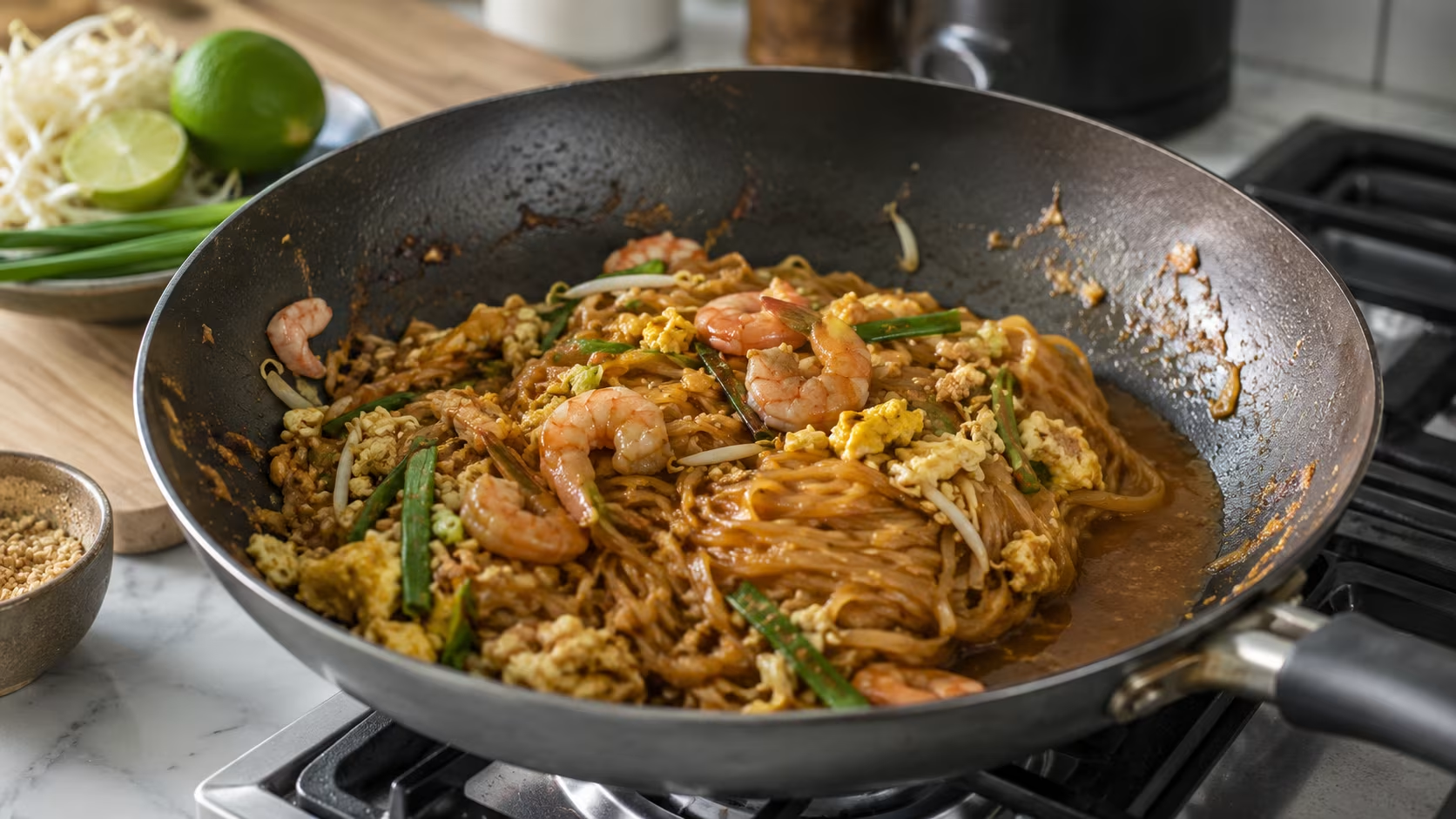
Three things, in balance: tamarind paste, fish sauce, and palm sugar. This is the classic Thai trinity that gives pad thai its signature sweet-sour-savory harmony, and the dish lives or dies on getting the ratio right for your particular tamarind.
Tamarind paste brings the tangy, fruity sourness that's the soul of the dish: not vinegar, not ketchup, not lime alone. Palm sugar adds a mellow, caramel-like sweetness that white sugar can't replicate; it's worth seeking out for authentic flavor, though brown sugar is a passable stand-in.
Fish sauce provides the deep, salty umami that makes the whole thing savory rather than just sweet-and-sour. A workable starting ratio is roughly equal parts tamarind paste and palm sugar with about half as much fish sauce, plus a little water: for example three tablespoons tamarind, three tablespoons palm sugar, and two tablespoons fish sauce.
The critical caveat: tamarind sourness varies wildly between brands. Taste your sauce and adjust. If your tamarind is mouth-puckeringly sour, use less; if it's mild, use more.
The finished sauce should taste boldly balanced: you should be able to pick out sweet, sour, and salty all at once, with none dominating. To make it, gently warm the palm sugar until it dissolves and turns syrupy, then stir in the tamarind, fish sauce, and water and simmer a few minutes until cohesive.
Make it ahead; it keeps for weeks.
Why do you soak the noodles instead of boiling them?
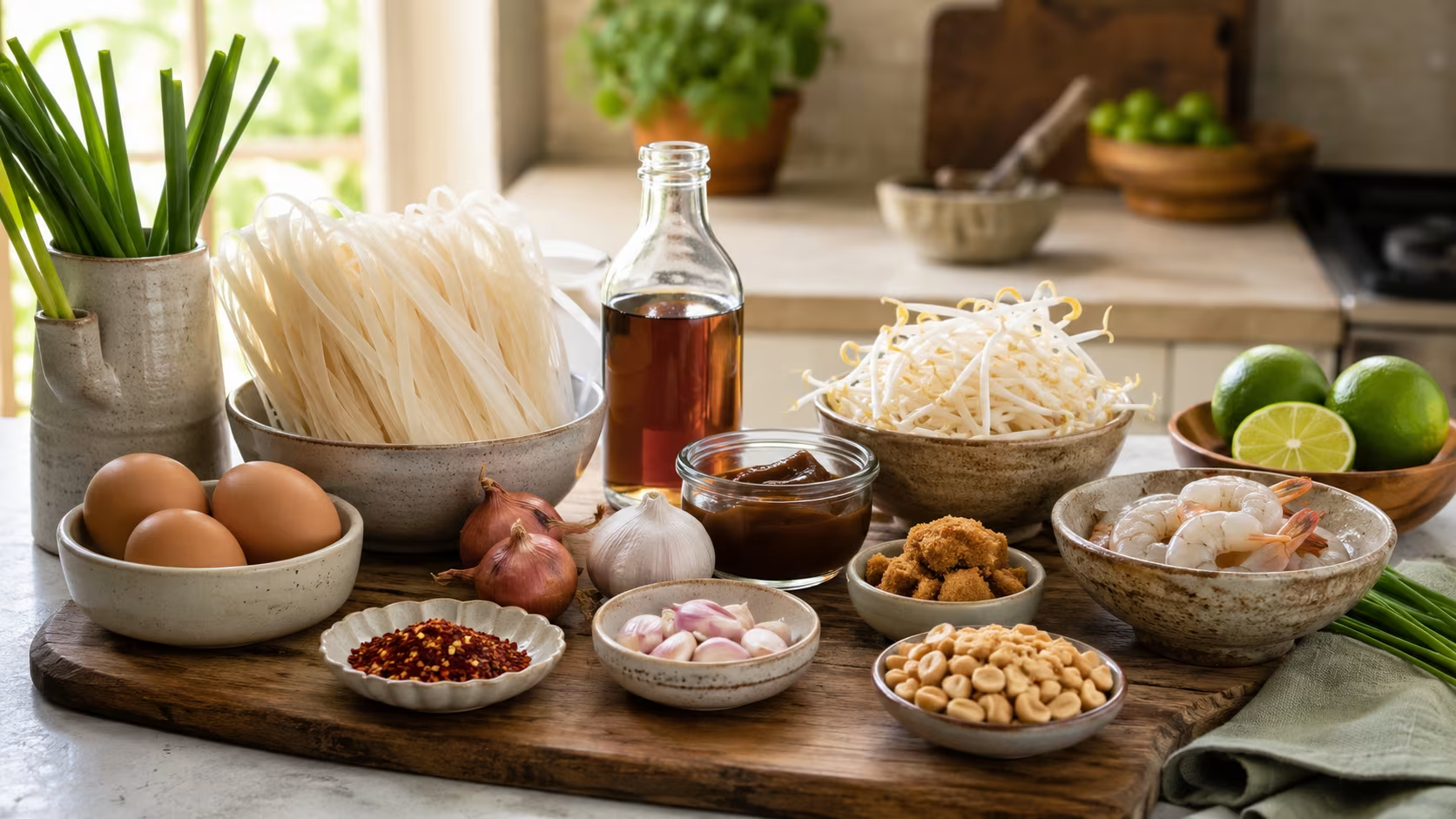
Because boiling overcooks flat rice noodles into a sticky, mushy clump before they ever hit the pan. Pad thai noodles finish cooking in the wok, absorbing the sauce, so they need to go in pliable but still firm, and soaking, not boiling, gets them there.
Soak the dried flat rice noodles (the medium-width sen lek) in warm (not boiling) water until they're flexible and bendable but still firm and a bit chalky in the center, usually 20 to 30 minutes. They should bend easily around your finger without snapping but not be soft or fully tender.
Drain them well. In the pan, they'll finish cooking in two or three minutes as they absorb the sauce and the moisture from the other ingredients, turning perfectly chewy.
The mechanism is about controlling hydration. Fully boiled noodles are already saturated and overcooked, so in the hot pan they break apart, clump, and turn gummy.
Pre-soaked-but-firm noodles still have capacity to absorb the flavorful sauce, which is exactly what you want: they should drink up the tamarind sauce rather than sitting in it. If you forget to soak ahead, a shorter soak in hotter water works in a pinch, but don't let them go soft.
How do you cook pad thai so the noodles don't clump?
High heat and a hot pan, working fast, in not-too-large batches. Pad thai is a stir-fry, and stir-fries fail when the pan is crowded and cool, because the ingredients steam and the noodles stew into a sticky mass instead of frying and separating.
Get your pan or wok genuinely hot and have everything prepped and within reach, because once you start there's no time to chop. Cook your protein first (shrimp, sliced chicken, or pressed firm tofu) in hot oil, then push it aside and scramble an egg in the same pan.
Add the drained noodles and the sauce, and toss constantly over high heat so the noodles fry and absorb the sauce rather than sitting and clumping. Keep them moving; the constant motion and high heat are what keep the strands separate and slightly chewy at the edges.
If you're making a large amount, cook in two batches rather than overcrowding one pan, the same crowding principle that governs beef and broccoli and every other stir-fry: too much in the pan drops the temperature and you get a steamed, gummy result instead of a fried, separate one. Finish by tossing in bean sprouts and garlic chives in the last 30 seconds, just to warm and wilt slightly while keeping their crunch.
What goes on top, and why does it matter?
The garnishes aren't optional decoration they're integral to the balance of textures and flavors that defines pad thai. A plate without them tastes flat.
The traditional finish a scatter of crushed roasted peanuts for crunch and nutty richness, fresh bean sprouts for cool crispness, garlic chives for a mild oniony bite, a wedge of fresh lime to squeeze over, and a sprinkle of chili flakes for heat. Many street versions also pass a caddy of sugar, fish sauce, chili, and crushed peanuts so each eater fine-tunes their own plate, proof that balance is the whole point.
The lime is especially important a fresh squeeze at the table adds a bright, fresh acidity that lifts the deeper, cooked sourness of the tamarind. The peanuts and sprouts provide the textural contrast against the soft, chewy noodles. Don't skip them: they're what make each bite dynamic instead of monotonous.
What are the most common pad thai mistakes?
- Jarred or ketchup-based sauce. The reason takeout pad thai is gloopy and oversweet. Make the tamarind-fish sauce-palm sugar sauce from scratch.
- Boiling the noodles. They turn to mush. Soak in warm water until pliable but firm, and finish them in the pan.
- Crowding the pan. Steams the noodles into a clump. Cook hot, fast, and in batches if needed.
- Not tasting and adjusting. Tamarind brands vary hugely in sourness; balance the sauce to taste before committing.
- Skipping the garnishes. Peanuts, sprouts, lime, and chili are part of the dish, not afterthoughts.
Common pad thai questions
Where do I find tamarind and palm sugar? Any Asian grocery, and increasingly mainstream supermarkets. Buy tamarind paste/concentrate (not the dried block, which needs reconstituting, though that works too). Palm sugar comes in discs or jars; brown sugar substitutes acceptably.
Is pad thai gluten-free? It can be. Rice noodles are naturally gluten-free, but fish sauce and especially any added soy sauce should be checked, since some contain wheat.
Use a certified gluten-free fish sauce and tamari if you need it fully gluten-free. Naturally, much Thai cooking fits a gluten-free approach.
Can I make it vegetarian? Yes. Use pressed firm tofu as the protein and swap the fish sauce for a vegetarian fish sauce or light soy with a little extra salt and a pinch of seaweed for umami. The tamarind-and-sugar backbone stays the same.
Why are my noodles gummy? Either you boiled them instead of soaking, or the pan was too crowded and cool so they stewed. Soak to firm, cook hot and fast, and keep them moving.
Make it once with a from-scratch sauce and properly soaked noodles, and the takeout version will taste like a sad imitation. The dish is genuinely fast: the only real work is balancing that three-ingredient sauce, and once you've nailed your tamarind's quirks, it's a 20-minute weeknight regular.
What proteins and variations work in pad thai?
Pad thai is endlessly adaptable on the protein front, and the cooking method stays identical regardless. Shrimp is the most common, added to the hot pan first and cooked just until they curl. Chicken, thinly sliced, works the same way. Pressed firm tofu is traditional and excellent: cut it into cubes and fry it until golden and a little crisp before the noodles go in, so it holds its shape. Many street versions combine shrimp and tofu, with the scrambled egg as a near-constant across all of them. Whatever you choose, cook the protein first, then push it aside or remove it so it doesn't overcook while you handle the noodles.
Beyond protein, the garnishes are where you personalize each plate: more lime for sourness, more chili for heat, extra crushed peanuts for crunch, a pinch of sugar if your sauce skewed too tart. That table-side adjustability is built into the dish's DNA.
How do you set up for fast cooking?
Pad thai cooks in about three minutes once it hits the pan, which means the entire dish is won or lost in the prep. This is a mise en place dish: everything must be measured, chopped, soaked, and within arm's reach before you turn on the heat, because there's no time to stop and prep once the noodles go in.
Before you start cooking, have all of this ready: the noodles soaked to pliable-but-firm and drained; the sauce mixed and tasted; the protein sliced or pressed; the egg cracked into a bowl; the garlic and any shallot minced; and the garnishes (bean sprouts, garlic chives, crushed peanuts, lime wedges, chili) prepped in little piles. Set them around your stove in the order you'll add them. Then get the pan genuinely hot.
This restaurant-style staging is why street vendors can turn out a plate in minutes: the cooking is fast and furious, but the preparation is everything. Trying to soak noodles or mix sauce mid-stir-fry is how the noodles overcook and clump while you scramble. Treat the prep as the real work and the cooking as the quick, hot finish, and pad thai becomes genuinely easy, and genuinely a 20-minute dish.
Can I prep components ahead for the week? Absolutely, and it makes weeknight pad thai trivial. The sauce keeps for weeks refrigerated, tofu can be pressed and even pre-fried a day ahead, and proteins can be sliced and stored. With the sauce made and the mise en place ready, the actual cooking is a three-minute job, so pad thai becomes a genuine fast weeknight option rather than a project.
Where does pad thai come from?
Pad thai is a relatively modern dish that became Thailand's de facto national noodle dish in the mid-20th century, when it was actively promoted as a symbol of national identity. Its roots blend Thai and Chinese influences: stir-fried rice noodles came from Chinese cooking, while the tamarind-fish-sauce-palm-sugar flavor profile is distinctly Thai. Today it's both street-cart staple and global ambassador for Thai food.
Regional and personal variations abound. Some cooks add a little dried shrimp or preserved radish for extra savory-salty depth; some finish with a wedge of banana blossom on the side; the balance of sweet, sour, and salty shifts from vendor to vendor and region to region.
There's no single "correct" pad thai, which is freeing, because it means your job is simply to balance the sauce to your own taste. Once you understand the trinity and the noodle technique, you're not following a rigid recipe so much as joining a living tradition that every cook adjusts.
What's the best pan to use? A wok is traditional and ideal because its shape concentrates heat and makes tossing easy, but a wide, heavy skillet works fine on a home stove: what matters most is high heat and not crowding the pan. Whatever you use, get it ripping hot before the food goes in.
 Save
Save
0 Comments
No comments yet — start the conversation below.