

Garlic Butter Mushroom Toast in 15 Minutes: A Breakfast That Eats Like Dinner
The secret is browning the mushrooms dry before the butter and garlic ever go in. Pile them on crisp toast and you've got a 15-minute meal for any time of day.
Garlic butter mushroom toast is the 15-minute dish that turns a few mushrooms, some butter, and a slice of good bread into something that feels far more substantial than its ingredient list: savory, rich, and deeply satisfying whether you eat it at 8 a.m. or 8 p.m. The whole thing hinges on one technique that most people skip: properly browning the mushrooms before adding the garlic and butter.
Skip it and you get pale, watery mushrooms on soggy toast. Do it and you get caramelized, umami-dense mushrooms in a glossy garlic butter sauce, piled on bread that stays crisp underneath.
It's the kind of cooking that proves "fast" and "good" aren't opposites.
This is a template as much as a recipe: once you can brown mushrooms and build a quick pan butter, you can finish it a dozen ways. Here's the method and the science of why the order of operations matters so much.
Why do you have to brown the mushrooms first?
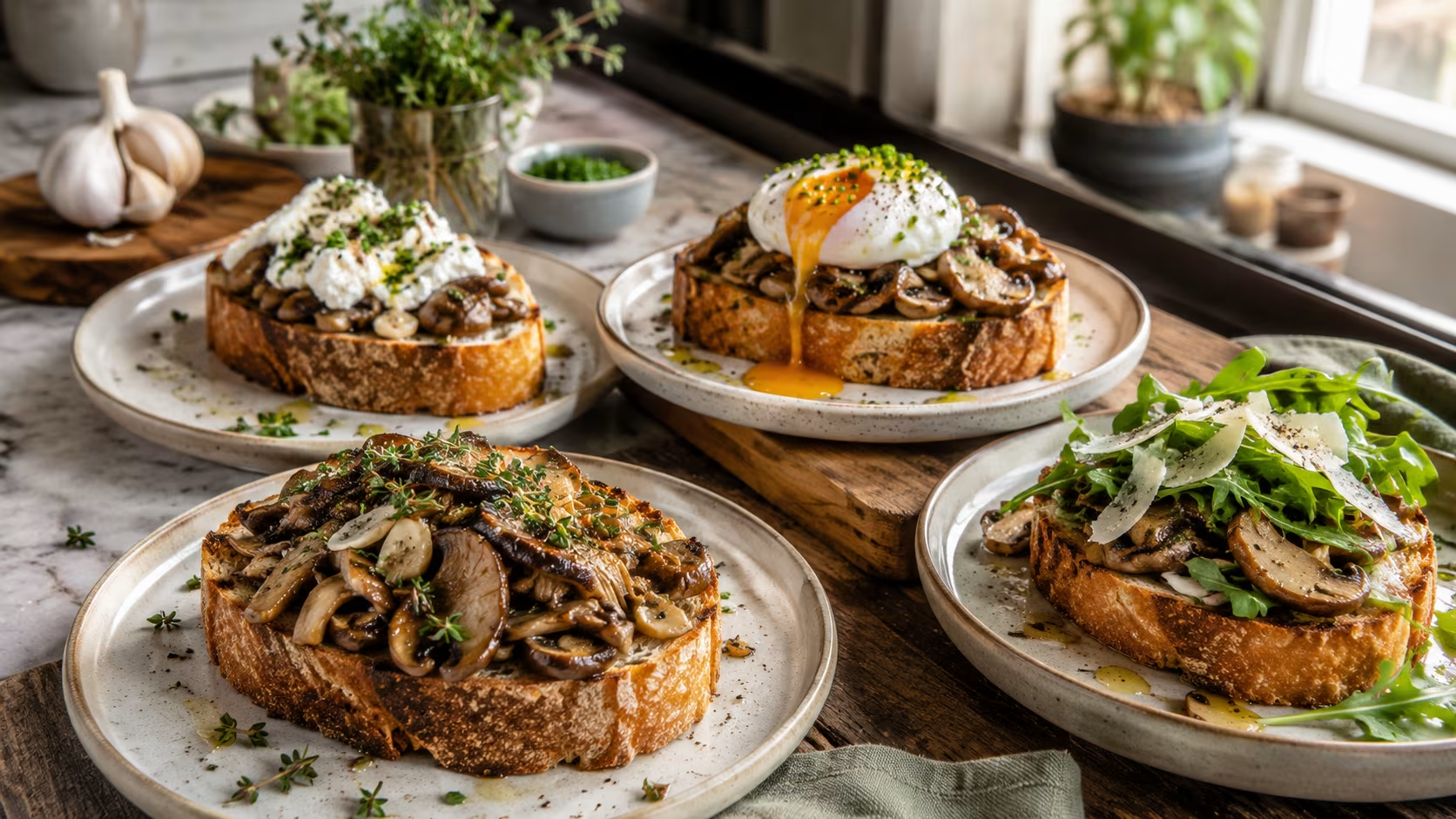
Because mushrooms are about 90% water, and that water has to leave before they can brown. Add butter and garlic too early and the mushrooms stew in their own released liquid, turning gray, soft, and bland instead of developing the caramelized, meaty flavor that makes this dish.
Here's the sequence that works. Heat a wide pan fairly hot and add the sliced mushrooms (with little or no fat at first, or just a touch of oil) in a single layer, and leave them alone.
They'll release their water; let that liquid cook off entirely. Only once the pan is dry again do the mushroom surfaces hit a high enough temperature to brown via the Maillard reaction, developing the roasted, savory depth that's the whole point.
This takes about 5 to 7 minutes and can't be rushed.
Two rules make or break it. Don't crowd the pan. Piled-up mushrooms trap steam and stew; spread them out or cook in two batches. Don't salt too early. Salt draws water out of the mushrooms prematurely, so wait until they've started browning. The same browning chemistry governs searing meat: a dry surface and a hot pan are the prerequisites for flavor.
Only after the mushrooms are properly browned do you add the butter and garlic. Adding them last means the garlic blooms in the butter without burning, and the butter coats the already-caramelized mushrooms in a glossy, savory sauce rather than boiling away while the mushrooms struggle to brown.
How do you build the garlic butter without burning the garlic?
Timing and heat. Garlic burns fast and turns bitter, so it goes in near the end, off the highest heat, into the butter, not at the start.
Once the mushrooms are browned, lower the heat slightly and add a generous knob of butter to the pan. As it melts and foams, add the minced garlic and cook just until fragrant, 30 to 60 seconds, no more.
You want it softened and aromatic, not browned. The residual heat of the pan and the mushrooms is plenty to bloom the garlic's flavor into the butter without scorching it.
A grind of black pepper, a pinch of salt now that the mushrooms are browned, and a splash of something acidic or savory to finish (a squeeze of lemon, a dash of soy sauce, or a splash of white wine) lifts and balances the richness.
The butter does double duty: it carries the garlic flavor and emulsifies with the mushrooms' remaining juices into a light pan sauce that you'll spoon over the toast. Fresh thyme or a handful of chopped parsley stirred in at the end adds herbal freshness against the richness. If you want to push it richer, a spoonful of cream or a crumble of soft cheese melts in beautifully here.
What bread should you use, and how do you keep it crisp?
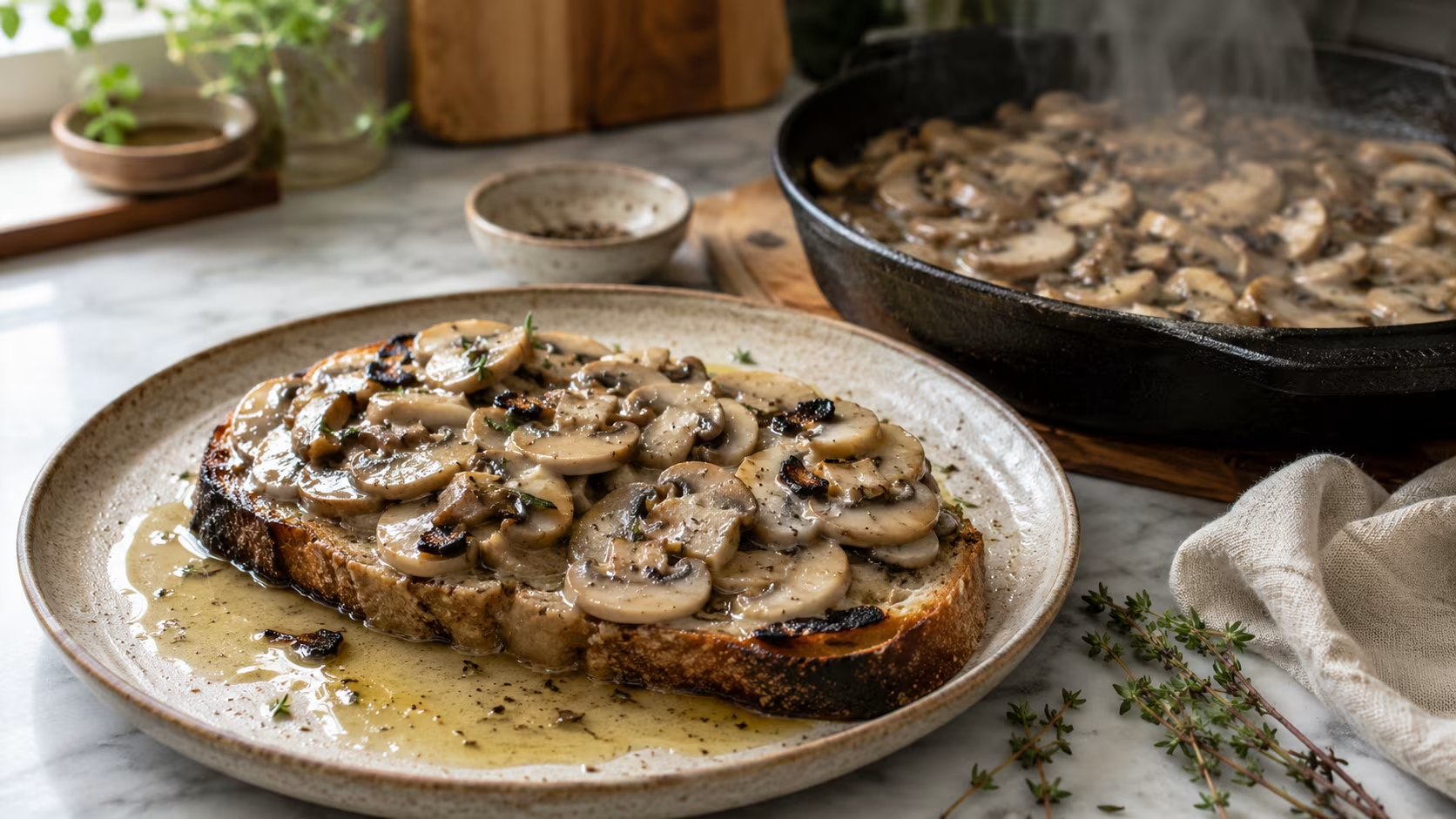
Use a sturdy, good-quality bread (sourdough, a rustic country loaf, or a thick-cut artisan slice) and toast it well, because flimsy sandwich bread collapses into a soggy mess under the juicy mushrooms.
The structure matters: an open, chewy crumb with a firm crust holds up to the moisture of the topping, where soft sliced bread turns to mush. Toast the bread until it's genuinely crisp and golden, not just warmed: a crunchy surface resists sogginess far longer.
For extra flavor and insurance against sogginess, rub the hot toast with a raw garlic clove (it melts into the rough surface) and brush or drizzle it with olive oil before topping. A slice of real sourdough is ideal here, its sturdy crumb and tang made for exactly this job.
Assemble at the last second. Pile the hot garlic butter mushrooms onto the freshly toasted bread right before serving, spooning the pan sauce over the top. The longer the loaded toast sits, the softer the bread gets, so this is a make-and-eat dish, not a make-ahead one.
How do you turn it from breakfast into dinner?
The base (garlic butter mushrooms on toast) is a blank canvas, and a few additions tip it from a snack into a full meal. This is why it "eats like dinner."
- Add an egg. A fried or poached egg on top is the classic move; the runny yolk becomes part of the sauce. This single addition turns it into a proper breakfast or a light dinner.
- Add cheese. A smear of ricotta or goat cheese under the mushrooms, or grated Parmesan over the top, adds creaminess and salt. Melted Gruyère pushes it toward a savory tartine.
- Add greens. A handful of spinach or arugula wilted into the mushrooms, or piled fresh under them, adds freshness and bulk.
- Add richness or crunch. A drizzle of truffle oil, a scatter of toasted nuts, or crisp pancetta crumbled on top each take it somewhere new.
Mix mushroom varieties if you can (cremini, shiitake, oyster, or a wild blend) for more complex flavor and texture than plain button mushrooms alone. Each browns slightly differently, adding depth.
What are the most common mistakes?
- Adding butter and garlic before browning. The mushrooms stew gray and watery. Brown them dry first, then add the butter and garlic.
- Crowding the pan. Traps steam and prevents browning. Spread out or cook in batches.
- Salting too early. Draws water out before the mushrooms can brown. Salt once they're coloring.
- Burning the garlic. It goes in last, into the butter, for under a minute. Browned garlic is bitter.
- Flimsy or under-toasted bread. Collapses into mush. Use sturdy bread and toast it crisp.
- Assembling too early. Loaded toast goes soggy fast. Pile on and eat immediately.
Common mushroom toast questions
What mushrooms are best? Cremini (baby bella) give more flavor than white buttons; a mix with shiitake or oyster mushrooms is even better. Whatever you use, slice them evenly so they brown at the same rate.
Can I make it dairy-free? Yes. Use olive oil or a good plant butter instead of dairy butter. You lose a little richness but the browned mushrooms carry the dish, and a finishing drizzle of olive oil adds back fragrance.
Is it filling enough for dinner? On its own it's a light meal; add an egg, cheese, or greens and it's a satisfying dinner. Served alongside a salad or soup, the basic version becomes a full plate.
Why are my mushrooms rubbery or watery? Watery means they stewed: too crowded, too cool a pan, or salted too soon. Rubbery usually means under-browned. Give them space, high heat, and the patience to cook off all their water before adding anything else.
Make it once, paying attention to that dry-browning step, and you'll reach for it constantly: a near-instant dish that tastes like real cooking, built from ingredients a decent kitchen almost always has on hand.
Which mushrooms should you use, and how do you clean them?
The mushroom you choose changes the dish more than any other variable. Cremini (baby bella) are the reliable default: firmer and meatier than white buttons, with a deeper savory flavor. Shiitake (stems removed) bring an intense, almost smoky umami. Oyster mushrooms turn silky and develop crisp, frilly edges. Wild or mixed blends give the most complex result. A mix of two or three types beats any single mushroom for depth and texture, and they all brown on the same dry-pan principle.
On cleaning: don't soak mushrooms in water. They're sponges and will absorb it, then release it in the pan and refuse to brown. Instead, wipe them with a damp cloth or give them a quick rinse and pat them thoroughly dry.
A little surface dirt brushed off is far better than waterlogged mushrooms that steam instead of caramelize. Slice them evenly (a quarter-inch or so) so they brown at the same rate; uneven pieces give you some burnt and some raw.
Can you make mushroom toast ahead, and how do you serve it well?
The mushrooms themselves are make-ahead friendly even though the assembled toast is not. Brown a big batch of garlic butter mushrooms, cool them, and refrigerate for up to three or four days; they reheat quickly in a pan and actually deepen in flavor overnight. That makes this a smart component to have on hand: spoon the reheated mushrooms over fresh toast, fold them into an omelet, stir them through pasta, or pile them onto a baked potato.
What doesn't keep is the assembled toast: bread loaded with juicy mushrooms goes soggy within minutes, so always toast and top to order. The move for entertaining is to keep the mushrooms warm in the pan and toast the bread in batches, assembling each plate just before it's served.
For a crowd, set out toasted bread, the pan of garlic butter mushrooms, and toppings (a soft cheese, herbs, a runny-yolk egg station) and let people build their own. Served that way, a humble pan of mushrooms becomes a genuinely impressive, interactive starter or brunch centerpiece for almost no cost.
Can I use dried mushrooms? Dried mushrooms (like porcini) bring intense flavor but need rehydrating in warm water first, then they're best used alongside fresh ones rather than alone. Save the soaking liquid: it's concentrated mushroom stock that you can add to the pan for extra depth.
What's the best fat, butter or oil? Both, ideally. Start the browning in a little oil (which tolerates high heat without burning), then add butter at the end with the garlic for flavor and that glossy sauce. Butter alone risks burning during the hot browning stage; oil alone misses the richness.
Why does it work at any time of day?
Garlic butter mushroom toast sits in a sweet spot between breakfast, lunch, and dinner because mushrooms are savory and rich enough to satisfy like a main, while toast and a runny egg read as breakfast. That flexibility is its quiet superpower: the same pan of garlic butter mushrooms is a weekend brunch with a poached egg, a fast lunch with a salad, a light dinner with a glass of wine, or an elegant starter for guests.
Few dishes this fast and cheap can credibly cross every meal of the day. Keep mushrooms and good bread on hand and you've got a meal-shaped answer to almost any "what do I eat right now" moment.
Can I add it to other dishes besides toast? Absolutely. The garlic butter mushrooms are a component, not just a topping.
Fold them into an omelet or scrambled eggs, stir them through pasta or risotto, spoon them over steak or a baked potato, or pile them into a grain bowl. The toast is just the fastest, most satisfying vehicle.
Is it filling enough on its own? As a light meal, yes; for a hungrier dinner, add a fried egg, a side salad, or a cup of soup. The mushrooms are surprisingly satisfying because browning concentrates their savory, meaty quality.
Sources and verification
Check current details with these primary or subject-authority sources before acting on the information.
 Save
Save
0 Comments
No comments yet — start the conversation below.