

The Spice Rack You Actually Need: 18 Spices, What They Do, and What to Buy First
Most spice racks are graveyards of stale single-use jars. Here's the focused set of 18 that recombine into the world's cuisines — and how to keep them potent.
Most spice racks are graveyards — two dozen jars bought for single recipes, three-quarters of them stale, none of them used. The spice rack you actually need is smaller, fresher, and built around versatility: a focused set of spices that recombine into the flavors of cuisines around the world, bought in the right form, stored correctly, and used while they're still potent.
Spices are the cheapest, most powerful way to make food taste like somewhere — the difference between bland and Mexican, Indian, or Middle Eastern is mostly a few spices. But they only work if they're fresh and you know what each one does.
Here's the practical core: 18 spices worth owning, what to buy first, and how to keep them alive.
What 18 spices actually earn their place?
A versatile, genuinely useful spice collection covers the building blocks of the world's major flavor profiles without drowning you in single-use jars. Here's a practical core of 18, grouped by what they do:
Everyday savory backbone black peppercorns, cumin, smoked paprika (or sweet paprika), garlic powder, onion powder, and dried oregano. These show up in countless savory dishes across Mediterranean, Mexican, and American cooking.
Warm and aromatic cinnamon, nutmeg, ground ginger, and ground coriander. These bridge sweet and savory — cinnamon and nutmeg for baking and warm dishes, coriander and ginger for curries and marinades.
Heat red pepper flakes (chili flakes) and cayenne. One brings mild, flaky warmth; the other brings sharp heat. Add a chili powder blend for Mexican dishes.
Distinctive single-cuisine workhorses turmeric (earthy color and base for curries), cumin's partner garam masala or curry powder (a blend that fast-tracks Indian flavor), and a dried herb like thyme or a herbes-de-Provence-style blend.
Finishing and aromatic seeds bay leaves (for simmering soups, stocks, and braises) and a good flaky finishing salt.
That's roughly 18, and notice the logic: each one appears in multiple dishes and multiple cuisines, so the set multiplies rather than clutters. You're not buying sumac for one recipe and saffron for another — you're buying the versatile core that builds the most flavors per jar. Specialty spices for specific dishes are a "phase two" purchase, exactly like the single-use items you add to a well-built pantry only when you have a real plan for them.
Should you buy whole or ground spices?
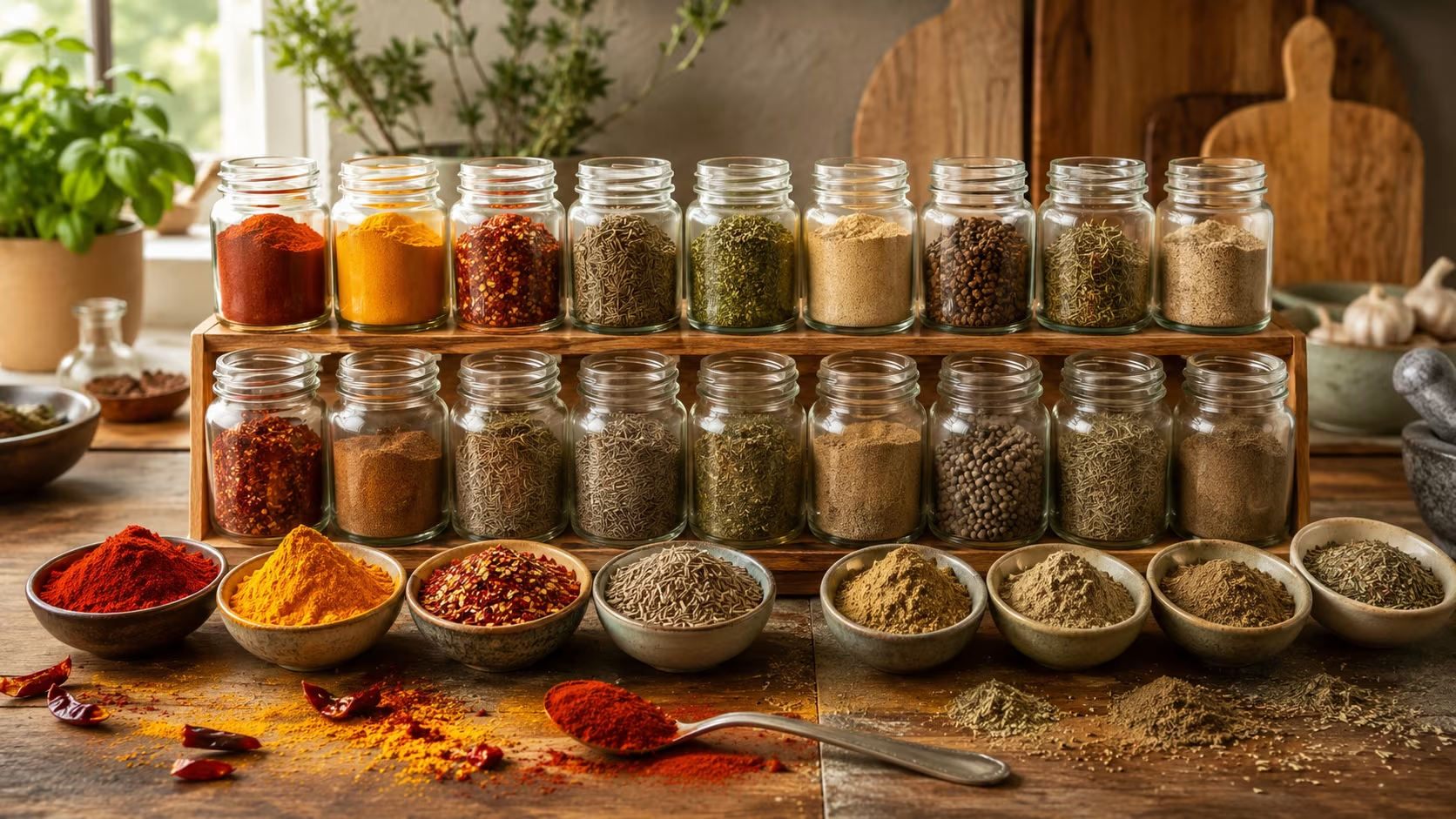
Whole whenever practical, because whole spices stay potent far longer than ground ones — and freshness is everything with spices. This is the single biggest quality lever in your spice collection, and most people get it wrong by buying everything pre-ground.
The reason is surface area and volatile oils. A spice's aroma and flavor live in volatile aromatic compounds that begin escaping and oxidizing the moment the spice is broken open.
A whole spice (a peppercorn, a cumin seed, a cinnamon stick) has its flavor sealed inside, protected, so whole spices keep their potency for two to four years. Grind that same spice and you expose all that surface area to air, so ground spices fade to sawdust in about 6 months to a year.
Pre-ground spices on a store shelf may already be months old before you buy them.
The practical approach: buy whole the spices that are easy to grind fresh — cumin, coriander, peppercorns, whole nutmeg, cardamom, cinnamon sticks — and grind small amounts as needed with a cheap dedicated coffee/spice grinder or a mortar and pestle. Freshly ground cumin or coriander is dramatically more fragrant than the pre-ground jar, and it's a genuine flavor upgrade.
For spices that are difficult to grind at home or that you use constantly (smoked paprika, turmeric, garlic powder), pre-ground is fine and practical. The rule of thumb: buy whole what's easy to grind, pre-ground what isn't, and in both cases buy modest quantities you'll use before they fade.
How do you store spices so they stay potent?
Cool, dark, dry, and airtight — and crucially, not next to the stove, which is exactly where most people keep them. The same three enemies that degrade other pantry goods (heat, light, moisture) destroy spices' delicate aromatic compounds fastest.
The worst place for spices is the most common: a rack mounted on the wall right beside or above the stove, or in a sunny spot on the counter. The constant heat and light there cook off the volatile oils and fade the spices in a fraction of their normal life.
Instead, keep them in a cool, dark cupboard or drawer, away from the heat of the oven and stovetop and out of direct sunlight. Store them in airtight containers (the original jars are usually fine if they seal well) to keep out humidity, which clumps spices and invites staleness.
Avoid sprinkling spices directly from the jar over a steaming pot, too — the rising steam introduces moisture into the jar; measure into your hand or a spoon first.
Even stored perfectly, ground spices fade, so do a periodic audit: smell them. A spice that's lost its aroma has lost its flavor — if a jar of ground cumin or paprika smells like nothing when you open it, it's dead weight, and no amount you add will season the dish. Replace it.
A quick rule: if you can't remember when you bought a ground spice and it doesn't smell strongly, it's probably past its useful life. This freshness-first, first-in-first-out discipline is what separates a working spice collection from a cluttered graveyard.
How do you actually get the most flavor out of spices?
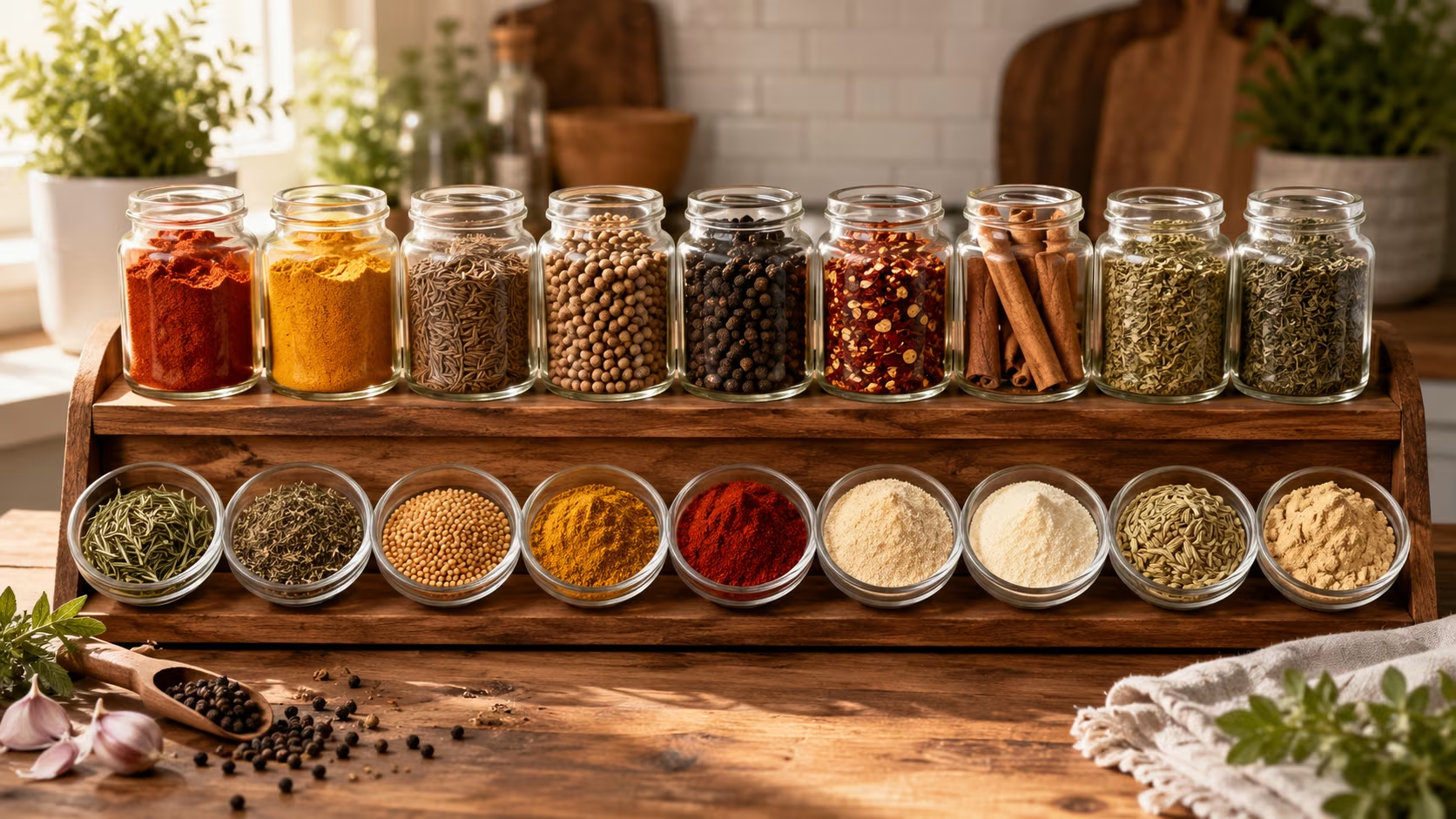
Two techniques unlock dramatically more flavor from the same spices: toasting whole spices and blooming spices in fat. Most home cooks skip both and wonder why their food tastes flatter than restaurant versions.
Toasting whole spices in a dry pan over medium heat for a minute or two, until they're fragrant and just beginning to darken, wakes up and deepens their flavor before you grind them. The gentle heat releases and transforms their aromatic oils, adding a warm, complex, roasted dimension.
Toast cumin, coriander, fennel, or whole spices for a curry, then grind — the difference from using them raw is striking. Watch closely and pull them the moment they're fragrant; they burn fast.
Blooming is the technique of cooking ground spices briefly in hot oil or butter at the start of a dish, before adding liquids. Spices' flavor compounds are largely fat-soluble, so frying them in fat for 30 to 60 seconds dissolves and distributes their flavor throughout the dish far more effectively than sprinkling them into a watery sauce, where much of their potential stays locked up.
This is why a curry or chili that starts by cooking the spices in oil with the onions tastes so much deeper than one where the spices are added at the end. Bloom them gently and don't let them burn — burnt spices turn bitter.
Together, these two moves — toast whole, bloom ground — extract far more from your spices and are the quiet reason well-seasoned food tastes "professional." They cost no extra ingredients, just a minute of attention.
What should you buy first if you're starting from scratch?
Build in tiers, just like a pantry, so you can stop at any point and still cook well. Don't buy all 18 at once.
Tier one (buy first) salt, black peppercorns, cumin, smoked paprika, red pepper flakes, garlic powder, and dried oregano. With just these, you can season the vast majority of everyday savory cooking — they cover Mediterranean, Mexican, and American flavors.
Tier two cinnamon, ground ginger, coriander, turmeric, bay leaves, and a curry powder or garam masala blend. Now you reach into baking, Indian, and warm-spiced dishes.
Tier three (as you explore) nutmeg, cayenne, a chili powder blend, onion powder, and whatever specific spices your favorite cuisines call for.
Buying in this order means every spice you own gets used, which keeps the whole collection fresh — a small, frequently used rack stays potent, while a giant rack of rarely touched jars goes stale. Resist the urge to buy a 24-jar starter set; build the core you'll actually cook with and grow it deliberately.
Common spice questions
Do spices actually expire or go bad? They don't spoil dangerously (they won't make you sick), but they lose potency and flavor over time — ground spices in about a year, whole in two to four. "Expired" spice is just flavorless, so the real test is aroma, not a date. If it smells like nothing, replace it.
Is it cheaper to buy spices in bulk? Often yes — buying from bulk bins lets you get small amounts of spices you use rarely (so they don't go stale) and larger amounts of staples cheaply, usually for far less than the tiny supermarket jars. Just buy quantities you'll use within their freshness window.
How do I revive stale spices? You can't fully, but lightly toasting whole or ground spices in a dry pan can coax a little more aroma out of ones that are merely tired (not dead). Truly flavorless spices are best replaced.
Do I need a spice grinder? It's the best upgrade for flavor if you buy whole spices — a cheap electric coffee grinder dedicated to spices, or a mortar and pestle, lets you grind fresh. It's optional, but freshly ground spices are noticeably more vibrant than pre-ground.
Build the focused core, store it away from the stove, buy whole where you can, and use the toast-and-bloom techniques, and your spice rack stops being a dusty collection of good intentions and becomes the most powerful, affordable flavor tool in your kitchen.
How do you build global flavors from the core?
The real payoff of a focused spice rack is that small, memorable combinations conjure entire cuisines from the same jars. A few starting points worth knowing: cumin + smoked paprika + oregano + chili leans Mexican and Tex-Mex; cumin + coriander + turmeric + ginger + garam masala is the backbone of Indian curries; oregano + thyme + bay + garlic is Mediterranean; cinnamon + cumin + coriander (warm and savory together) reads North African or Middle Eastern; and cinnamon + nutmeg + ginger is the warm baking trio.
Notice how often the same handful of spices reappears across cuisines in different combinations — cumin alone shows up in Mexican, Indian, and Middle Eastern cooking. That overlap is exactly why the focused core is so powerful: you're not buying separate spices for each cuisine, you're recombining a versatile set. Learn three or four of these combinations and you can steer a pot of beans, a tray of roasted vegetables, or a piece of chicken toward almost any corner of the world's cooking.
Bottom line: keep a focused, fresh core of spices; buy whole where you can and grind as needed; store them cool, dark, and away from the stove; and use the toast-and-bloom techniques to pull out maximum flavor. A small rack you actually use beats a giant one of stale jars every time — and it's the cheapest, most powerful flavor tool in the kitchen.
Should I buy a pre-filled spice set or build my own? Build your own. Pre-filled 20-jar sets look appealing but usually include spices you'll rarely use (so they go stale) and are often lower quality and already aging on the shelf. Buying the focused core yourself, fresh, in quantities you'll use, gives you a more potent and better-used collection.
How can I tell if a spice is still good? Smell it. A potent spice has a strong, distinct aroma the moment you open the jar; a dead one smells faint or of nothing.
Color fading and clumping are other signs. If there's little aroma, it won't flavor your food no matter how much you add — replace it.
Whole spices hold up far longer than ground by this test.
Where should I buy spices for the best value? Bulk bins and ethnic or Middle Eastern/Indian grocers almost always beat the supermarket spice aisle on both price and freshness — you can buy exactly the amount you'll use, and the turnover is higher so the stock is fresher. The tiny supermarket jars are the most expensive way to buy spices by far.
 Save
Save


0 Comments
No comments yet — start the conversation below.