

How to Make Stock from Scratch: The Foundation Most Home Cooks Skip
Homemade stock turns a leftover carcass and vegetable scraps into liquid gold. Simmer it gently, skip the salt, and you'll never reach for boxed broth again.
Making stock from scratch is the single biggest upgrade most home cooks never bother with, and it's nearly free. Stock is just bones, scraps, aromatics, and water, simmered low and slow until the water turns into a deeply savory, body-rich liquid that makes every soup, sauce, braise, and risotto you build on it taste better.
The boxed stuff is mostly salt and water with a whisper of flavor; real homemade stock has a silky, gelatin-rich body that coats a spoon. Once you understand the handful of principles behind it (gentle heat, no salt, the right scraps, enough time) you'll never throw away a chicken carcass again.
This is the foundational kitchen skill that quietly makes everything else better. Here's how it works, why each rule matters, and how to keep a steady supply in your freezer for free.
Why bother making stock instead of buying it?
Because the gap in quality is enormous and the cost is essentially zero. Homemade stock is made from scraps you'd otherwise throw out (a roast chicken carcass, vegetable trimmings, onion skins) so it turns garbage into a building block that elevates everything you cook.
The flavor and body of homemade stock simply can't be matched by the boxed or cubed versions, which are heavily salted, often watery, and thin. Real stock develops a rich, rounded, savory depth and, most importantly, body from dissolved gelatin, which gives sauces and soups a luxurious, mouth-coating quality that no carton delivers. A good homemade chicken stock will set to a wobbly jelly in the fridge; that jiggle is the gelatin that makes your cooking taste professional.
There's also control. You decide what goes in, so there's no excess salt (critical, as you'll see), no preservatives, and no off-flavors.
You can make it as concentrated as you like. And it's the ultimate anti-waste habit, the natural extension of cooking from a well-stocked pantry: bones and vegetable scraps you'd bin become liters of free flavor.
The only cost is time, and most of that is hands-off simmering.
What's the difference between white and brown stock?
The difference is one step: whether you roast the bones first. That single choice gives you two distinct stocks for different purposes.
White stock is made by simmering raw (unroasted) bones and aromatics directly in water. It's lighter in color and flavor (clean, delicate, and neutral) which makes it the right choice for light soups, cream sauces, risottos, and dishes where you don't want a heavy, dark backbone. Most basic chicken stock is white stock.
Brown stock starts by roasting the bones (and often the aromatics) in a hot oven until deeply browned before simmering. That roasting triggers the Maillard reaction on the bones, building hundreds of deep, roasted, savory flavor compounds and giving the stock a darker color and a richer, more robust taste.
Brown stock (typically made from beef or veal bones) is the foundation for hearty braises, gravies, and dark sauces. The same browning principle that makes seared meat taste deep applies here: roast the bones and you build flavor before the water ever touches them.
For most home cooks, a light chicken stock (white) is the everyday workhorse, while a brown beef stock is worth making when you want serious depth for a stew or a French-style sauce. The method below works for both; just add the roasting step for brown stock.
What goes into a good stock?
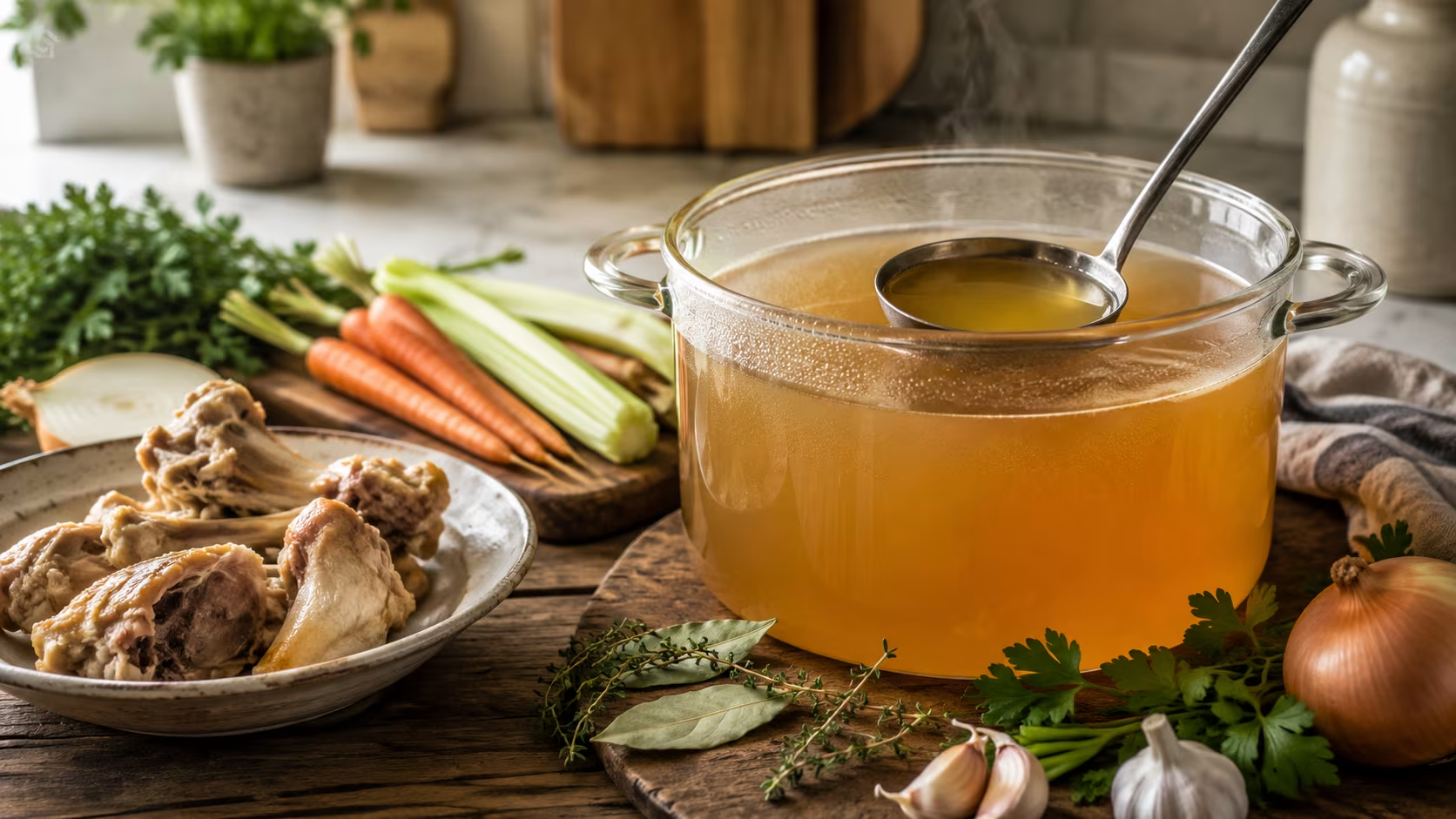
Four categories: bones, aromatics, water, and time. Notably absent: salt.
Bones and scraps are the heart of it. Chicken backs, necks, wings, and leftover roast carcasses are ideal because they're rich in collagen-heavy connective tissue and cartilage, which break down into the gelatin that gives stock its body.
Beef and veal bones (especially knuckles and marrow bones) make rich brown stock. Save scraps in a freezer bag over time until you have enough: a roast chicken carcass, the bones from bone-in thighs, and so on.
Aromatics build the background flavor: the classic mirepoix of onion, carrot, and celery, plus garlic, a bay leaf, peppercorns, and parsley stems. You can also use vegetable scraps you've been saving: onion skins (which add color), carrot peels, celery tops, leek greens, mushroom stems. Avoid strong brassicas like broccoli and cabbage, which turn stock sulfurous and bitter.
Water should just cover everything: too much and the stock is weak and watery; you want the bones and aromatics submerged but not swimming. And time is the final ingredient: collagen needs hours of gentle heat to dissolve into gelatin.
Crucially: don't add salt. Stock is a base ingredient that gets reduced and seasoned later in whatever dish you use it for. If you salt the stock and then reduce it in a sauce, the salt concentrates and the result is inedibly salty. Leave salt out entirely and season the final dish.
Why must you simmer stock gently and not boil it?
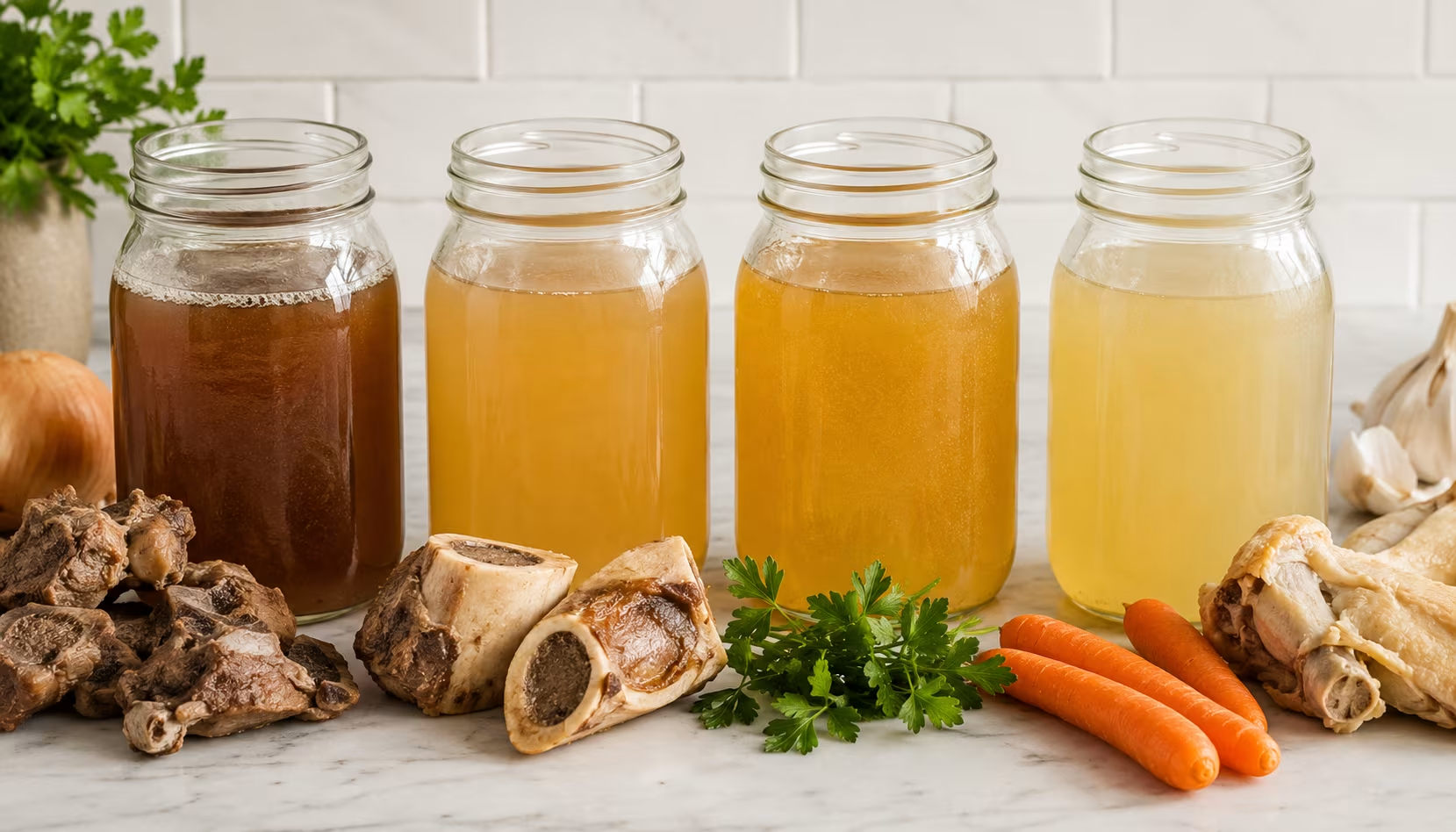
Because a hard boil makes the stock cloudy and can turn it greasy, while a bare simmer keeps it clear and clean-tasting. This is the rule most people get wrong.
When stock boils hard, the violent agitation churns the rendered fat and the small proteins and particles back into the liquid, emulsifying them so they can't be skimmed off, the result is a murky, cloudy, sometimes greasy stock. A gentle simmer, by contrast, lets the fat and the foam of coagulated proteins (the "scum") rise calmly to the surface, where you can skim them off, leaving a clear, clean liquid behind. You're after the barest movement: an occasional lazy bubble breaking the surface, not a rolling boil.
So: bring the pot up to a boil briefly, then immediately drop it to the lowest heat that maintains a bare simmer, and hold it there. Skim off the foam and fat that rise in the first half hour or so.
The gentle heat also extracts the collagen and flavor more cleanly. This is the same low-and-slow logic behind braising tough cuts: gentle, patient heat does the work that aggressive heat can't.
How long should you simmer, and then what?
Time depends on the bones. Chicken stock needs about 3 to 4 hours of gentle simmering, long enough to extract the collagen and flavor, but not so long it turns bitter or muddy. Beef and veal stock needs much longer, often 6 to 8 hours or more, because their denser bones release collagen slowly. Vegetable stock is the opposite: just 45 minutes to an hour, since there's no collagen and long cooking dulls the fresh flavor.
You'll know chicken stock is ready when it's deeply golden, savory, and the bones feel soft and almost crumbly. Then strain it: pour it through a fine-mesh strainer (line it with cheesecloth for an extra-clear result) to remove all the solids, pressing gently to extract the liquid but not so hard that you push sediment through.
Cool it quickly and safely (an ice bath speeds this and keeps it out of the bacterial danger zone) then refrigerate. The fat will rise and solidify on top overnight; lift it off (or leave it as a protective seal until you use the stock).
Properly stored, stock keeps about 4 to 5 days in the fridge, or months in the freezer. Freeze it in usable portions: ice cube trays for small splashes to deglaze a pan, or quart containers for soups.
With a freezer stash, you always have the foundation for a fast, deeply flavored dinner.
What can you actually make with homemade stock?
Almost everything savory gets better with it, which is why it's called a foundation. Stock is the base for all soups and stews, turning them from watery to rich.
It's the cooking liquid for risotto, where its flavor is absorbed into every grain, and for braising: the partial liquid that becomes the sauce. It's the liquid you use to cook grains like rice, farro, or polenta for a savory boost, and the body behind every pan sauce and gravy when you deglaze and reduce it.
The gelatin in homemade stock is what lets a reduced sauce thicken to a glossy, clinging consistency without flour or cornstarch: the same reduction principle that finishes restaurant sauces. A splash of real stock instead of water transforms beans, braised greens, mashed potatoes, and stuffing. Once you have it on hand, you start reaching for it constantly, and your cooking quietly levels up across the board.
Common stock questions
Can I make stock in a slow cooker or pressure cooker? Yes. A slow cooker is ideal for hands-off overnight stock at a gentle, steady heat, and a pressure cooker (or Instant Pot) makes excellent stock in about 1 to 2 hours by forcing faster collagen extraction. Both are great low-effort options.
What's the difference between stock and broth? Loosely, stock is made primarily from bones (so it's gelatin-rich and bodied, usually unsalted), while broth is made from meat and/or vegetables and is often seasoned and meant to be sipped on its own. In home cooking the terms are used interchangeably, but the bone-based, unsalted version is the more versatile building block.
Why didn't my stock gel in the fridge? Either not enough collagen-rich bones (add more wings, necks, feet, or knuckle bones) or too much water diluting it. A stock that doesn't gel still tastes fine; it just has less body. Chicken feet and wings are collagen powerhouses if you want a stock that sets firm.
Can I reuse the bones? A second batch (a "remouillage") will be much weaker but isn't worthless: use it in place of water for cooking grains or as a light base. The first extraction gets the majority of the flavor and gelatin.
Make one batch from a leftover carcass and freeze it, and you'll understand why every serious kitchen treats stock as the quiet foundation of good cooking: nearly free, mostly hands-off, and the difference between food that's fine and food that's deeply, satisfyingly savory.
How do you make vegetable, fish, and other stocks?
The same gentle-simmer principles apply across stock types, with adjusted times. Vegetable stock is the fastest: just aromatics and vegetable scraps (onion, carrot, celery, mushrooms, leek tops, herb stems) simmered 45 minutes to an hour. It has no collagen, so it won't gel, and long cooking actually dulls its fresh flavor, so keep it short. Avoid watery or bitter vegetables (cabbage, broccoli, bell peppers) that turn it sulfurous or off.
Fish stock (fumet) is quick too: fish bones and heads from mild white fish, simmered just 20 to 30 minutes; longer turns it bitter and overly fishy. Dashi, the Japanese stock of kombu and bonito, is a different tradition entirely but the same idea: a fast, savory liquid base. And bone broth is essentially stock simmered even longer (sometimes 12 to 24 hours) to extract maximum gelatin and minerals, often seasoned and sipped on its own.
The unifying lesson is that "stock" is a family, not one recipe: match the simmer time to the ingredient (long for dense bones, short for vegetables and fish), keep the heat gentle, skip the salt, and strain. Once you internalize the principles, you can make a stock from almost any savory scraps you'd otherwise throw away.
Is bone broth the same as stock? Essentially yes, with marketing on top: bone broth is stock simmered extra-long for maximum gelatin, then usually salted and seasoned to drink. Nutritionally it's similar to a good long-simmered stock; the main difference is how it's used and sold.
Can I save scraps over time to make stock? Absolutely. This is the smart move.
Keep a freezer bag for chicken bones and carcasses, and another for clean vegetable scraps (onion ends, carrot peels, celery tops). When a bag is full, you have a free batch of stock waiting.
It's the ultimate waste-nothing kitchen habit.
 Save
Save
0 Comments
No comments yet — start the conversation below.