

Chicken Marsala in 25 Minutes: The Italian-American Classic Done Right
Most chicken Marsala goes wrong on three fixable things. Use dry Marsala, brown the mushrooms instead of stewing them, and build a glossy pan sauce in 25 minutes.
Chicken Marsala is a 25-minute dish that most home cooks and even a lot of restaurants get subtly wrong, and the fixes are simple once you know them: use dry Marsala, not sweet; brown the mushrooms properly instead of stewing them gray; and skip the heavy cream that turns a bright, nutty pan sauce into a heavy beige gravy. Done right, it's thin-pounded chicken cutlets with a golden crust, deeply caramelized mushrooms, and a glossy sauce built on the wine's nutty, slightly tangy character. It's a weeknight dish that eats like a special occasion, and it comes together in the time it takes to boil pasta.
This is the version done the way it's done in good Sicilian-leaning kitchens: cream optional and used sparingly if at all, the focus on the Marsala and the mushrooms. Below is the method, the two or three decisions that separate a great version from a muddy one, and the science of why each step matters.
What kind of Marsala wine should you use?
Use dry Marsala, not sweet. This is the single most common mistake, because the supermarket often stocks sweet "cooking Marsala" right next to the dry, and the sweet version turns the sauce cloying and one-note.
Dry Marsala (a fortified wine from Sicily) adds a savory, nutty, subtly tangy depth that plays against the umami of the mushrooms. Sweet Marsala belongs in desserts like zabaglione, not here.
If you can, buy a bottle of real imported dry Marsala from the wine section rather than the salt-laden "cooking wine" near the vinegars. Cooking wine is dosed with salt and tastes harsh; a genuine bottle of dry Marsala costs only a little more, keeps for months after opening (it's fortified), and dramatically improves the dish. Once it's open, it's also the secret weapon for fast pan sauces with mushrooms or chicken any night of the week.
The reason the wine matters so much is that the sauce is essentially reduced Marsala: you're concentrating its flavor, so whatever character the bottle has gets amplified. A flat or oversweet wine reduces into a flat or oversweet sauce. Good wine in, good sauce out.
How do you get the chicken golden, not gray?
Two moves: pound it thin and dredge it in flour. Both serve the 25-minute clock and the texture.
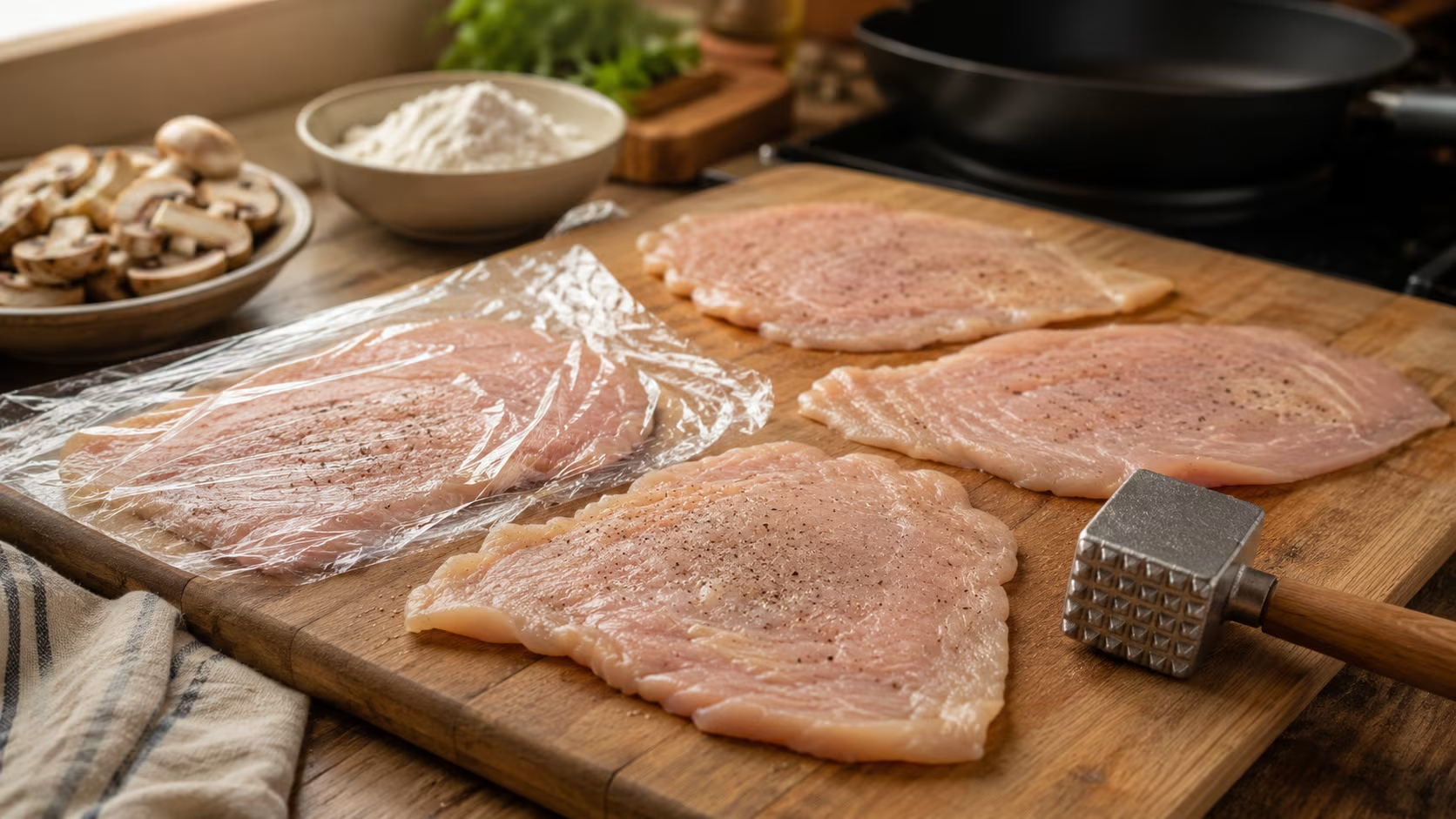
Take boneless, skinless chicken breasts and slice them horizontally into two thin cutlets, then pound them to an even quarter-inch or so between sheets of plastic. Thin, even cutlets cook in two or three minutes a side and stay juicy, where a thick breast either dries out on the surface before the center cooks or has to be cut into the dish thick and stewy. Even thickness also means even browning.
Then dredge each cutlet in seasoned flour, shaking off the excess. The flour does three jobs: it dries the surface so it browns into a golden crust through the Maillard reaction, it protects the lean meat from the harsh direct heat, and, crucially, the flour that cooks into the pan later helps thicken the sauce into something glossy and clinging rather than thin and watery. Season the cutlets with salt and pepper before flouring; seasoning on top of the flour mostly falls off.
Sear the dredged cutlets in a hot pan with oil and a little butter until golden on both sides, about 2 to 3 minutes per side, then set them aside. They'll finish in the sauce, so don't cook them all the way through now: pulling them slightly early keeps them tender, the same dry-surface, hot-pan logic behind searing any meat properly.
Why do the mushrooms need to brown before anything else?
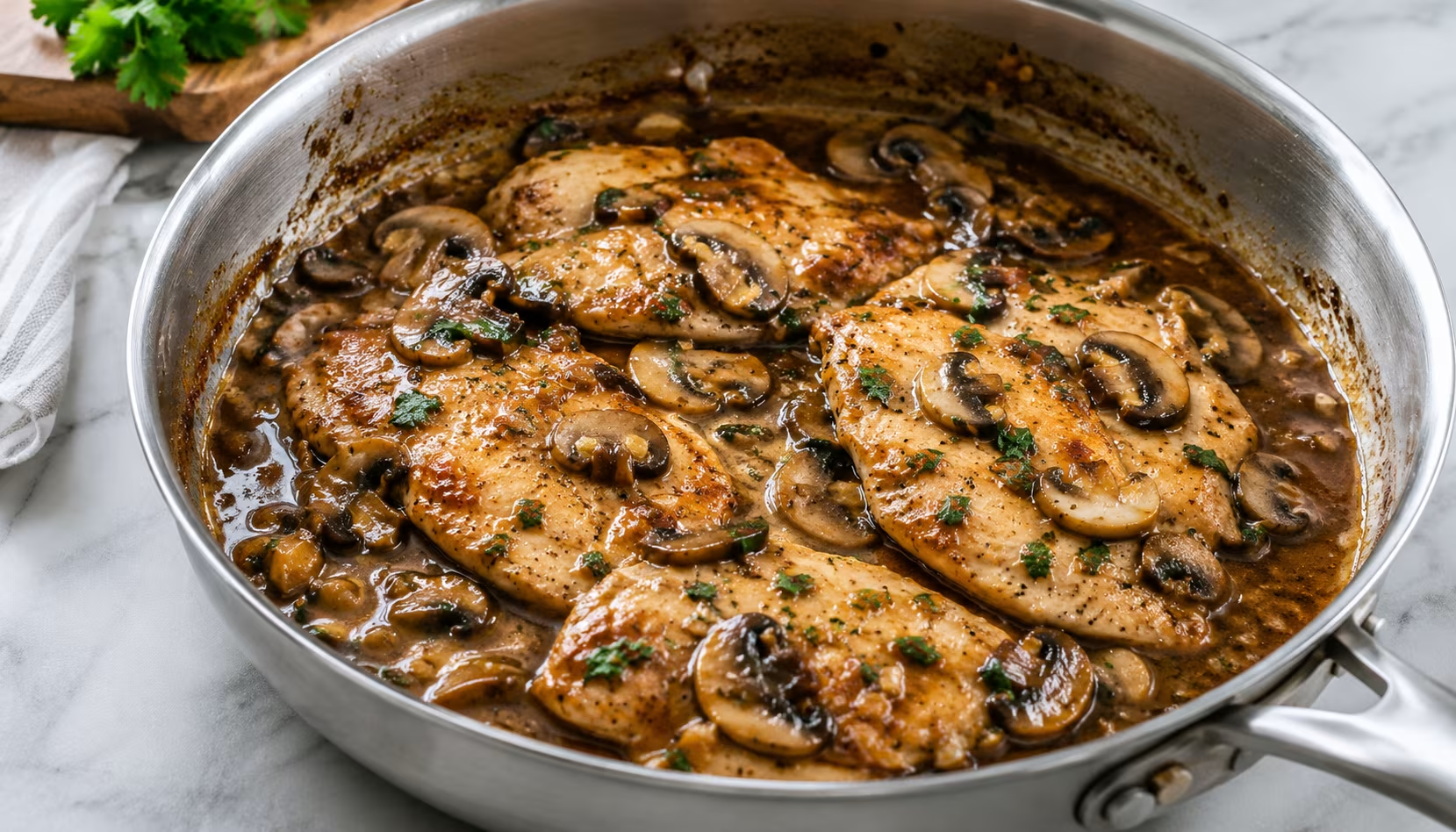
Because browned mushrooms taste of roasted, woodsy umami, and stewed mushrooms taste of water. The difference is whether you let them release and then re-absorb their moisture, and it's the step most rushed home versions skip.
Mushrooms are roughly 90% water. Crowd them in a cool pan and they dump that water, drop the pan temperature, and simmer in their own liquid, going gray, soft, and bland.
Instead, slice them and add them to a hot, fairly dry pan in a single layer, leaving them alone at first. They'll release their water; let it cook off entirely, and only then will the surfaces hit a high enough temperature to brown and caramelize, which takes about 5 to 8 minutes.
Salt them once they've started browning, not before, so you don't draw the water out prematurely.
This is where the dish's backbone of flavor comes from. Use cremini (baby bella) mushrooms over plain white buttons if you can: they're firmer and more savory.
A generous quantity is the move; mushrooms shrink dramatically, so what looks like too many in the raw pan becomes a satisfying amount once browned. Add sliced shallot or a little garlic toward the end of the browning, just until fragrant.
How do you build the Marsala pan sauce?
This is where the fond (the browned bits left by the chicken and mushrooms) becomes the sauce. With the mushrooms browned and the chicken resting, pour in the dry Marsala to deglaze, scraping the bottom of the pan with a wooden spoon so all those caramelized bits dissolve into the wine.
Let the Marsala bubble and reduce by roughly half, until it's slightly syrupy and the raw-alcohol smell has cooked off, a couple of minutes. Then add a splash of chicken stock and let it reduce again to concentrate.
The reduction is what gives the sauce body and depth; if you skip it and serve the sauce thin, it tastes weak and boozy. Patience here, even just 90 seconds of real bubbling, transforms it.
The mechanics are the same as reducing any pan sauce: boil off water, concentrate flavor.
Finish off the heat with a knob of cold butter swirled in for gloss and richness: this is the monter au beurre step that gives restaurant sauces their sheen. If you want a slightly creamier sauce, a small splash of cream here is acceptable, but a tablespoon or two is plenty; this dish is not meant to be a cream sauce. Return the chicken and any resting juices to the pan, simmer everything together for a minute or two to finish cooking the cutlets through and let them soak up the sauce, then scatter with parsley and serve.
What are the most common chicken Marsala mistakes?
- Sweet Marsala instead of dry. The biggest one: it makes the dish cloying. Buy dry.
- Salty "cooking Marsala." Harsh and over-salted; use real dry Marsala from the wine aisle.
- Crowded, gray mushrooms. Brown them properly in a hot pan, in batches if needed, and cook off all the water.
- Thick chicken breasts. Pound thin and even so they cook fast and stay juicy.
- Skipping the reduction. A thin, boozy sauce means you didn't reduce the wine enough. Let it bubble down.
- Drowning it in cream. A little is fine; a lot buries the Marsala and mushrooms the dish is built on.
What should you serve with chicken Marsala?
Marsala wants something to soak up its sauce. The classics are buttered egg noodles, mashed potatoes, or polenta: all neutral, soft bases that catch the glossy sauce.
A simple side of garlic-oil pasta like aglio e olio works too, though keep it plain so it doesn't compete. For a lighter plate, serve it over sautéed spinach or alongside roasted green beans.
To drink, a medium-bodied Italian red like a Chianti or a Nero d'Avola (also Sicilian, fittingly) matches the nutty depth of the sauce. If you'd rather have white, a fuller-bodied one with some richness stands up better than a crisp, light one.
Common chicken Marsala questions
Can I make it without mushrooms? You can, but mushrooms are half the dish: they provide the earthy, umami backbone. Without them, lean harder on browning the chicken and reducing the wine, and consider adding shallots and a little extra stock for body.
Can I use chicken thighs instead of breasts? Yes. Boneless thighs are more forgiving and stay juicier; just pound or open them to an even thickness so they cook quickly and brown well. They take a minute or two longer than thin cutlets.
Is there a non-alcoholic substitute for Marsala? Nothing replicates it exactly, since the dish is named for the wine. The closest workaround is chicken stock with a splash of dry sherry or a little balsamic for tang plus a pinch of brown sugar, but the result is a different, simpler dish.
Why is my sauce thin? Either you didn't dredge the chicken (the flour helps thicken) or you didn't reduce the wine and stock enough. Let the sauce bubble longer to concentrate, or finish with the cold butter swirl for body.
Make this once and you'll see why it became a steakhouse and trattoria staple: it looks and tastes like real effort, but it's a fast pan dish at heart. Brown your mushrooms, buy dry Marsala, reduce with a little patience, and you'll plate a version better than most restaurants serve.
Can you make chicken Marsala ahead, and how do you store it?
Marsala is at its best straight from the pan, but it holds up better than most cream-free pan dishes, which makes it workable for entertaining. The smart make-ahead split is to do the components early and combine at the end: brown the mushrooms and sear the cutlets a few hours ahead, refrigerate them, then build the sauce and reunite everything just before serving. That keeps the chicken from overcooking on a reheat and the mushrooms from going soft.
For leftovers, store the chicken in its sauce in a sealed container for up to three days. Reheat gently: a low burner or a moderate oven, covered, with a splash of chicken stock to loosen the sauce, which thickens in the fridge as the flour-bound sauce sets.
Avoid a hard, fast reheat, which dries out the thin cutlets. The sauce alone freezes well for a couple of months; the cooked chicken freezes acceptably but loses a little texture, so if you're cooking ahead to freeze, consider freezing the browned-but-not-finished cutlets and the sauce separately.
To scale it up for a crowd, the only real constraint is pan space. Pound and dredge all the cutlets, but sear them in batches so the pan stays hot and they brown rather than steam, holding the seared cutlets on a tray in a warm oven.
Brown the mushrooms in batches for the same reason. Then build one large batch of sauce and finish the cutlets in it in rounds, or in a roasting pan in the oven.
Doubling the sauce is straightforward: just give the larger volume of Marsala a little longer to reduce, since more liquid takes more time to concentrate.
On the cream question: the traditional Sicilian-leaning version uses no cream at all, letting the Marsala and mushrooms carry the dish. American restaurant versions often add a splash for a rounder, silkier sauce.
If you want that, stir in a tablespoon or two at the end, off the heat: enough to enrich without burying the wine. Taste as you go; it's easy to add more and impossible to take it back.
Can I prep the cutlets in advance? Yes: pound, season, and even dredge the cutlets a few hours ahead and keep them covered in the fridge. Sear them just before building the sauce. Pre-dredged cutlets can get a little tacky, so give them a fresh light dusting of flour before searing if needed.
What if I don't have a meat mallet? The flat bottom of a heavy pan, a rolling pin, or even a sturdy bottle works to pound the cutlets thin between sheets of plastic wrap. Even thickness is the goal, not the tool.
 Save
Save
0 Comments
No comments yet — start the conversation below.