

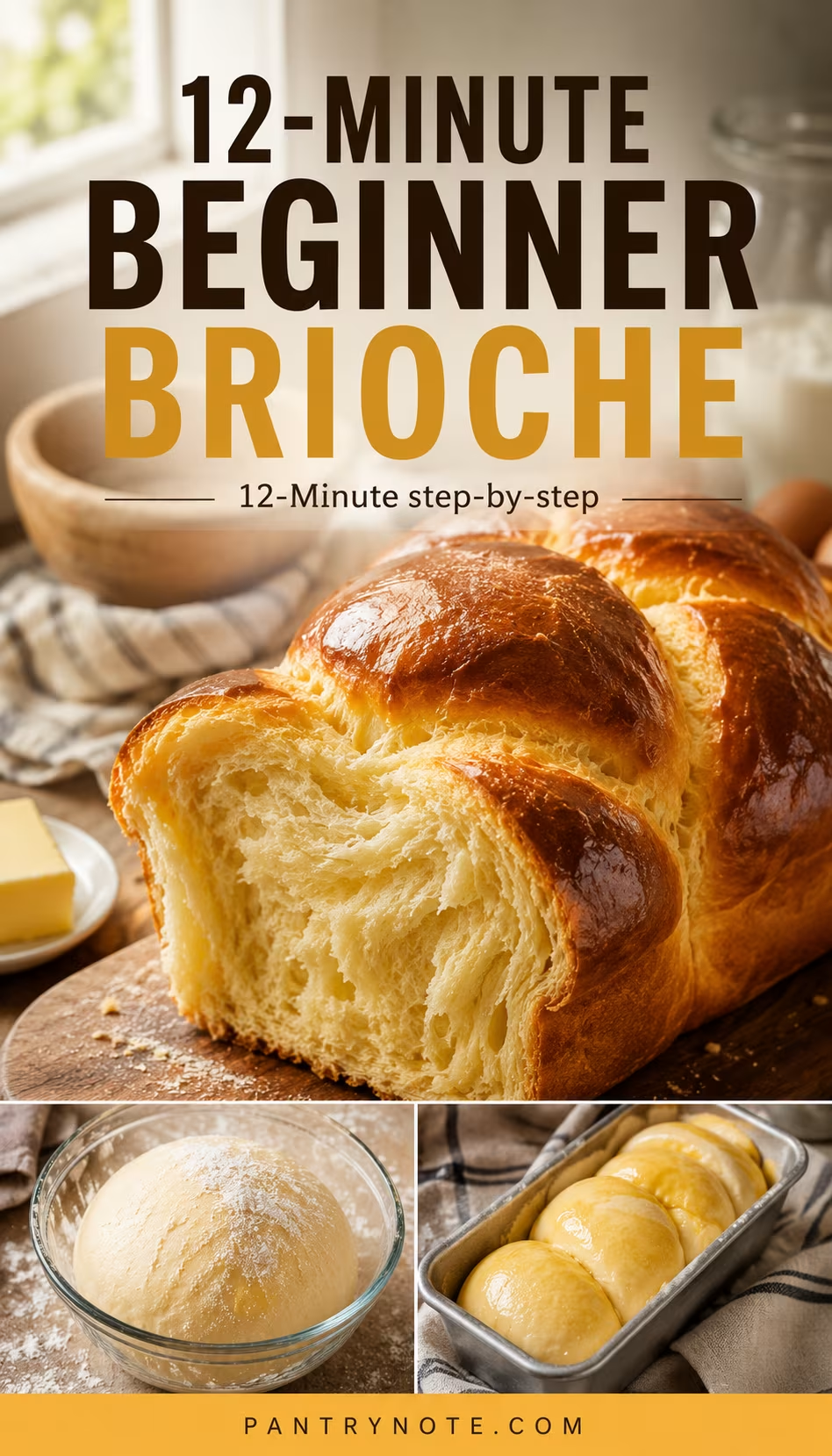
Beginner Brioche: The Enriched Bread That's More Forgiving Than It Looks
Brioche's fancy reputation is mostly bluff. Trust the sticky dough, add the butter at the right moment, and this rich golden bread is a beginner baker's best friend.
Brioche has a reputation as an intimidating, advanced bake — all that butter, the sticky dough, the rich golden crumb — but it's actually one of the more forgiving enriched breads for a beginner, as long as you understand a couple of key principles. It's a yeasted bread enriched with eggs, butter, and milk, which gives it that tender, almost cake-like, buttery crumb that makes the best French toast, burger buns, and morning loaves.
The two things that trip people up — the very sticky dough and when to add the butter — are completely manageable once you know what's going on. You don't need a stand mixer to be a professional baker or any special skill; you need patience and a willingness to trust a dough that looks alarmingly wet.
Here's how it works and why it's more beginner-friendly than its fancy reputation suggests.
What makes brioche different from regular bread?
Brioche is an enriched dough — bread dough enriched with fat (butter), eggs, and often milk and sugar — and those enrichments are what give it its distinctive rich, tender, golden character. A lean bread (like a baguette or sourdough) is essentially just flour, water, salt, and yeast. Brioche adds a lot of butter and eggs, which transforms the texture entirely.
The enrichments do specific things. Butter makes the crumb tender and rich and adds flavor (brioche is famously buttery). Eggs add richness, color (that golden interior), structure, and a soft, slightly cakey texture. Milk and a little sugar add tenderness, flavor, and help with browning. The result is a soft, fluffy, rich bread that sits somewhere between bread and pastry — luxurious enough to eat plain, sturdy enough to bake into buns and loaves.
But those same enrichments are also why brioche behaves differently from lean bread, and why beginners get nervous. The high fat and egg content make the dough very soft, sticky, and slack, and the fat interferes with gluten development, which is why the order of operations matters. Understanding that brioche is "bread plus a lot of butter and eggs" explains both its wonderful texture and its quirks — and once you know the quirks, it's genuinely approachable.
Why is the dough so sticky, and is that normal?
Yes — brioche dough is supposed to be very sticky and soft, and resisting the urge to "fix" it with extra flour is the single most important thing a beginner can do. The stickiness alarms people into adding flour, which ruins the result.
The dough is sticky because it's high in moisture (from eggs and milk) and fat (butter), which is exactly what gives the baked brioche its tender, rich, fluffy crumb. A properly hydrated, properly buttered brioche dough will be soft, slack, and tacky — it clings to your hands and the bowl, especially before the butter is fully worked in.
This is normal and correct. If you add extra flour to make it easier to handle, you'll get a drier, denser, tougher, more bread-like loaf instead of the tender, cake-like brioche you're after.
So the rule is: trust the sticky dough and don't add flour. Instead, manage the stickiness other ways — chilling the dough makes it far easier to handle (cold butter firms up and the dough becomes manageable), flouring your hands and surface lightly when shaping, and using a bench scraper. A stand mixer with a dough hook handles the sticky dough easily, but you can absolutely make brioche by hand with a stretch-and-fold or slap-and-fold technique; it just takes more patience with a tacky dough. The discomfort of working a sticky dough is the price of a luxurious crumb, and chilling solves most of it.
When and how do you add the butter?

You develop the gluten first, then add the softened butter gradually once the dough has structure. This order is the technical heart of brioche, and getting it right is what separates a light, well-risen loaf from a dense, greasy one.
Here's why the order matters: fat coats flour proteins and interferes with gluten formation. If you dump all the butter in at the start, the fat prevents the gluten network from developing, and you get a weak dough that can't rise properly or hold its structure — a dense, heavy loaf. So you first mix the dough without the butter (flour, eggs, milk, sugar, yeast, salt) and develop the gluten until it's strong and elastic.
Only then do you add the softened butter, a little at a time, letting each addition fully incorporate before adding more. This way the gluten structure is already built, and the butter gets worked into an existing network rather than preventing one from forming.
The butter should be softened but not melted — pliable and at cool room temperature, so it incorporates smoothly into the dough rather than greasing it or melting. As you add it gradually, the dough will look like it's falling apart and getting greasy at first; keep working and it comes back together into a smooth, glossy, elastic, very soft dough.
That moment of "this looks wrong" before it comes together is normal. Develop gluten first, add soft butter gradually and patiently, and the dough will be strong enough to rise into a light, tender loaf.
This is the same logic as adding salt or butter at the right stage in other doughs — sequence matters because of how the ingredients interact with gluten.
How do you rise, shape, and bake brioche?

Brioche benefits from a slow, cool rise (often overnight in the fridge), which develops flavor and — crucially — makes the buttery dough firm enough to shape. Then it's shaped, proofed, egg-washed, and baked to a deep gold.
After mixing, let the dough rise until it's risen and relaxed, then refrigerate it, ideally overnight. This cold rise does two jobs: it develops deeper flavor through slow fermentation, and it firms up the butter so the otherwise-sticky dough becomes firm and easy to handle — trying to shape warm, soft brioche dough is a frustrating, sticky mess, while cold brioche dough handles like a dream. The overnight fridge rest is the beginner's best friend here, much as it is for croissants.
Shape the cold dough into whatever you're making — a loaf, individual buns, the classic fluted brioche à tête with its topknot, or burger buns. Place it in the pan or on a tray and let it proof (rise again) until puffy and nearly doubled, in a warm but not hot spot (too warm and the butter melts out).
Brush gently with egg wash (beaten egg) for that signature glossy, deep-golden, shiny crust — this is what gives brioche its beautiful sheen. Then bake in a moderate oven until deeply golden brown and cooked through (an internal temperature around 190°F, or until it sounds hollow).
Enriched doughs brown fast because of the sugar and egg, so tent it with foil if it's darkening too quickly before the center is done. Cool before slicing.
The slow cold rise, gentle proof, and egg wash are what make a beginner loaf look and taste bakery-quality.
What can you make with brioche, and why is it beginner-friendly?
Brioche is endlessly useful, which is part of why it's worth learning, and its forgiving nature makes it a great confidence-builder. The rich, tender, slightly sweet crumb shines in many forms.
Uses: brioche makes the best French toast (its richness soaks up custard beautifully without falling apart), superb burger and sandwich buns (soft, slightly sweet, sturdy), a luxurious breakfast or morning loaf (toasted with butter and jam), the base for bread pudding and pastries, and dinner rolls. A loaf of brioche elevates anything you'd normally put on ordinary bread.
As for why it's more forgiving than it looks: unlike a lean artisan loaf where crumb structure and crust are everything and small errors show, brioche is enriched and tender by design, so it's naturally soft and a little forgiving of imperfect technique — the butter and eggs guarantee a pleasant texture even if your shaping isn't perfect. The cold overnight rise removes the timing pressure and makes the dough easy to handle.
And it doesn't require a stand mixer or special equipment, just patience. The two things that intimidate beginners — the sticky dough and the butter step — are completely manageable once you know to trust the stickiness and develop gluten before adding butter.
Master those, and brioche becomes a reliable, impressive bake rather than a daunting one.
Common brioche questions
Do I need a stand mixer to make brioche? No — a stand mixer makes the sticky, butter-heavy dough easier, but you can make brioche by hand using slap-and-fold or stretch-and-fold techniques. It takes more patience with the tacky dough, but it's entirely doable, and chilling the dough makes hand-shaping easy.
Why is my brioche dense and heavy? Usually the butter was added too early (before the gluten developed) or the dough was under-proofed. Develop the gluten fully before adding softened butter gradually, and let the shaped loaf proof until puffy and nearly doubled before baking.
Can I make the dough ahead? Yes — the overnight cold rise is built into most brioche methods and actually improves both flavor and handling. You can mix the dough one day and shape and bake the next, which spreads the work and makes the dough far easier to handle cold.
Why didn't my brioche get that shiny golden crust? You likely skipped or skimped on the egg wash. Brushing the proofed dough gently with beaten egg before baking is what creates the glossy, deep-golden sheen. Apply it gently so you don't deflate the dough.
Brioche's fancy reputation is mostly intimidation. Trust the sticky dough without adding flour, develop the gluten before working in softened butter gradually, lean on an overnight cold rise to make it easy to handle, and finish with an egg wash — and this rich, golden, tender bread turns out to be one of the most rewarding and forgiving things a beginning baker can make.
How do you store brioche and tell when it's done?
Because brioche is enriched with butter and eggs, it keeps a little better than lean bread but is still best fresh. Store a cooled loaf wrapped at room temperature for a couple of days; its rich crumb stays tender longer than a lean loaf.
For longer storage, freeze it — brioche freezes very well, whole or sliced, so you can pull slices as needed (great for French toast on demand). Day-old or slightly stale brioche is, in fact, ideal for French toast and bread pudding, since the drier crumb soaks up custard without disintegrating.
For doneness, enriched doughs brown fast on the outside (from the sugar and egg) while the rich interior can lag, so color alone is misleading. The reliable cue is internal temperature — around 190°F in the center — or the classic hollow sound when you tap the bottom.
If the crust is deeply golden but you're unsure the inside is set, an instant-read thermometer removes the guesswork. Tent the loaf with foil if it's browning too fast before the center is done, so the crust doesn't burn while the inside finishes.
Why did my brioche leak butter while baking? The dough was likely over-proofed or proofed somewhere too warm, so the butter melted out before the structure set. Proof in a warm-but-not-hot spot (the butter melts in the upper 80s°F), and don't let it over-proof — bake when it's puffy and nearly doubled, not collapsing.
Bottom line: brioche's fancy reputation is mostly bluff. Trust the sticky dough without adding flour, develop the gluten before working in softened butter gradually, use an overnight cold rise to make it easy to handle, and finish with an egg wash — and this rich, golden bread is one of the most rewarding, forgiving things a beginner can bake.
 Save
Save
0 Comments
No comments yet — start the conversation below.